
Why Front-Wheel Drive Manual Cars Struggle on Slopes
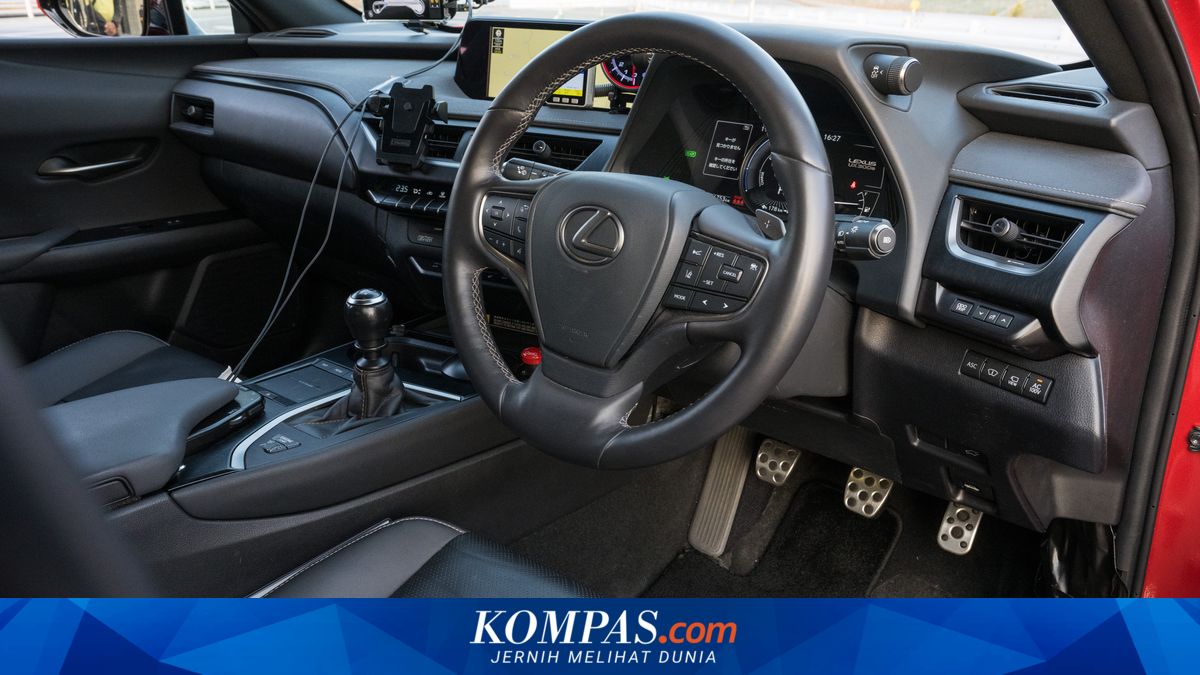
SOLO — Driving a manual transmission car uphill requires proper technique to prevent the vehicle from rolling back or losing power. This challenge is more pronounced in front-wheel drive (FWD) vehicles. In FWD cars, drivers must not only manage the accelerator and clutch pedals but also maintain front-wheel traction to prevent slipping when ascending slopes. Muchlis, owner of Toyota-Mitsubishi specialist workshop Garasi Auto Service in Sukoharjo, stated that driving a manual transmission car uphill becomes more difficult when using a front-wheel drive system. “Actually, for drivers who understand the technique, it’s straightforward. I use an FWD manual car daily, and stopping and going uphill is safe,” Muchlis told Kompas.com recently. According to Muchlis, the challenge with manual FWD cars is more complex because drivers must not only control engine power and clutch but also account for front-wheel traction, which is more prone to losing grip. “FWD vehicles tend to slip more easily, so simply applying power with the accelerator and clutch isn’t enough—it must be balanced with traction management,” Muchlis said. This is because the drive wheels are at the back, providing better traction when climbing slopes. “However, in FWD cars, drivers must immediately reduce power when the front wheels start to screech or slip; otherwise, the vehicle will be unable to climb the slope due to loss of traction,” Muchlis added. Therefore, in addition to managing the accelerator and clutch, drivers of manual FWD cars must maintain front-wheel traction to prevent loss of grip when ascending slopes.