
Why Energy and Metals Sectors Have Become the Main Focus for Investors
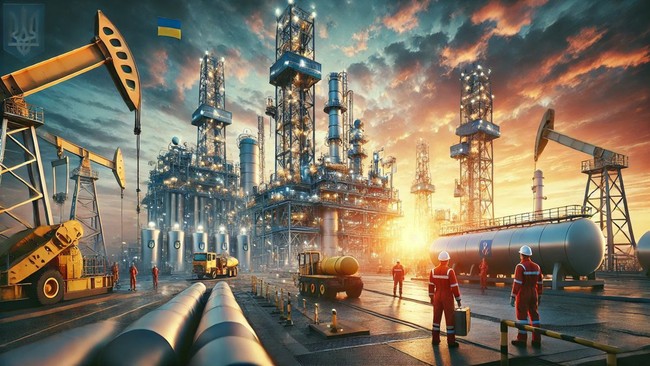
Global investment markets are experiencing heightened activity in early March 2026, particularly driven by supply chain disruptions in the Middle East and shifting energy flows in Europe. These developments have created significant volatility in oil, gas, and industrial metals prices. In such conditions, investors must understand global supply chain dynamics to protect portfolio values through hedging or capitalise on opportunities in commodity assets.
Energy: European Natural Gas in Vulnerable Position
Historically, the European Union has sought to reduce its dependence on Russian gas. However, data shows that in 2025, the EU still imported approximately 38 billion cubic metres (bcm) of natural gas and liquefied natural gas from Russia, equivalent to 12% of total import requirements. This presents serious challenges for Europe:
Gas reserves in the EU currently stand below 30%, the lowest level since the 2022 energy crisis. Despite reduction efforts, dependency remains high with continued Russian imports at 12% of total needs. Supply disruptions from the Persian Gulf due to Middle Eastern conflicts are tightening global markets. If restrictions on gas exports from Eastern Europe escalate, natural gas prices, particularly TTF futures contracts, are predicted to continue climbing. Crude oil is similarly expected to rise amid ongoing conflicts in the Strait of Hormuz.
For diversified US equity exposure, investors can consider major energy companies like Exxon Mobil and Chevron, which have substantial exposure to global natural gas production, or Occidental Petroleum, known for sensitivity to domestic and global energy price increases.
Industrial Metals: Aluminium Reaches Highest Level Since 2022
Aluminium is crucial for automotive, construction, and food packaging industries. When Alba, one of the world’s largest producers with 1.6 million tonnes output, halted shipments, global supply immediately fell into deficit. Additionally, Qatalum in Qatar experienced operational disruptions from drone attacks that severed energy supplies to their smelter. The Gulf region accounts for approximately 8% of global aluminium production. Consequently, aluminium prices on the London Metal Exchange surged to their highest level since 2022 at US$3,446 per tonne.
Relevant listed companies include Vale, though primarily known for iron ore, which offers diversified industrial metals exposure as an alternative during regional conflicts, and Freeport-McMoRan, which focuses on copper and gold, as copper typically moves in tandem with aluminium as an indicator of industrial metals strength.
Precious Metals: Gold Remains the Defensive Fortress
Amid uncertainty, gold has reasserted itself as a safe-haven asset. After dropping below US$5,000 per ounce, buying on dips has driven prices back upward. The sentiment is mixed: whilst rising energy prices trigger inflation concerns that typically support higher interest rates (a negative for gold), extreme geopolitical risks provide strong risk premiums for gold and silver prices.
Several investment vehicles offer exposure to gold through the Pluang application. PAX Gold is a digital token where each unit is backed by one troy ounce of London Good Delivery physical gold stored in Brink’s vaults, combining physical gold security with blockchain technology’s speed and liquidity for 24/7 trading. Tether Gold provides ownership of specific physical gold in Swiss vaults, popular among Tether ecosystem users seeking stable hedging assets, with futures contracts also available. SPDR Gold Shares is the world’s largest gold ETF, tracking spot gold prices and offering the most efficient exposure for institutional and retail investors without managing physical storage. Digital gold options from Antam and UBS allow small-scale physical gold investment with options for withdrawal of actual bullion.
Silver, often called “the poor man’s gold,” is influenced by dual factors: as an investment asset it follows gold’s movements, whilst as an industrial metal it benefits from other metals’ scarcity. iShares Silver Trust, managed by Blackrock since 2006, provides access to silver exposure; Blackrock manages approximately US$14 trillion in assets as of January 2026.
Agriculture: Threat to Food Security
The energy crisis is also extending into agriculture. Fertiliser producers in India and Pakistan are reducing production due to insufficient LNG supplies. Rising costs of fertiliser raw materials including ammonia and sulphur could increase food commodity prices ahead of planting season, a factor requiring attention from investors with exposure to agricultural ETFs or food-related equities.
Relevant US equities include CF Industries, a major North American fertiliser producer positioned to benefit from rising global fertiliser prices due to limited Asian and Middle Eastern competition, and Deere & Co, which stands to gain from increased demand for agricultural machinery during periods of elevated fertiliser costs.