
Why Eid al-Fitr 2026 Could Be Different: How the Government, NU, and Muhammadiyah Determine It
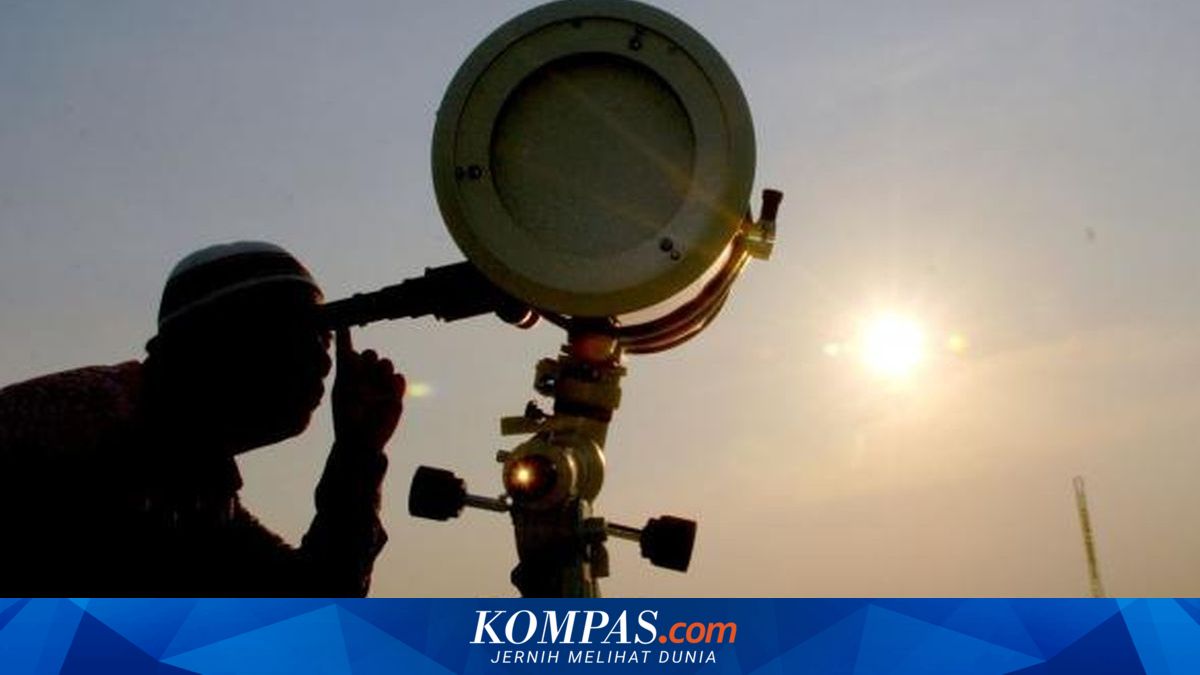
The celebration of Eid al-Fitr 1447 Hijriah or Lebaran 2026 has the potential to differ in date in Indonesia because the methods used by the government, Nahdlatul Ulama (NU), and Muhammadiyah to determine the start of Shawwal are not the same. The government employs a combination of hisab and rukyat, verified nationally with imkanur rukyah criteria. NU emphasises the alignment of valid hisab and rukyat, rejecting hilal data manipulation. Meanwhile, Muhammadiyah uses the hisab hakiki wujudul hilal global (KHGT) method, which sometimes results in a date differing by one day from the government or NU. This session integrates hisab data and verified rukyat reports. “The isbat session involves astronomy experts from BMKG, BRIN, planetariums, observatories, and Islamic community organisations. This broad representation gives the session’s decision strong religious legitimacy,” said Abu Rokhmad, Director General of Islamic Community Guidance at the Ministry of Religious Affairs. The Ministry of Religious Affairs is also preparing coordination for hilal monitoring at various points across Indonesia to ensure the determination process runs orderly and transparently. KH Sarmidi Husna, Katib Syuriyah of PBNU, stressed that these criteria are requirements for accepting rukyatul hilal testimonies. If the five definitive falak methods indicate the hilal is impossible to see, rukyat reports will be rejected. The PBNU LF also addressed suspicions of efforts to change criteria to deem the hilal visible in Aceh or sending rukyat teams from Java to Aceh to obtain “visible” hilal results, even if the data is considered invalid. “The results of the synchronisation meeting by the Ministry of Religious Affairs set 1 Shawwal 1447 H on 21 March 2026. The hilal position according to all hisab is below the agreed criteria,” said KH Sirril Wafa, Chairman of PBNU LF. This decision uses hisab hakiki wujudul hilal and the Single Global Hijri Calendar (KHGT), ensuring global calendar consistency. For Muhammadiyah members, this date serves as an important guide for planning Eid prayers, family activities, and the Lebaran homecoming. The PBNU LF emphasises the same hisab and rukyat criteria, rejecting data manipulation, thus determining 1 Shawwal based on valid hilal positions. In contrast, Muhammadiyah uses the hisab hakiki wujudul hilal global (KHGT) method, which may differ by one day from the government or NU’s hisab-rukyat approach. Thus, the potential difference in the date of Eid al-Fitr 2026 is a direct consequence of the differences in scientific methods and official procedures used by each institution.