
Why Ebola Is Now a Growing Threat
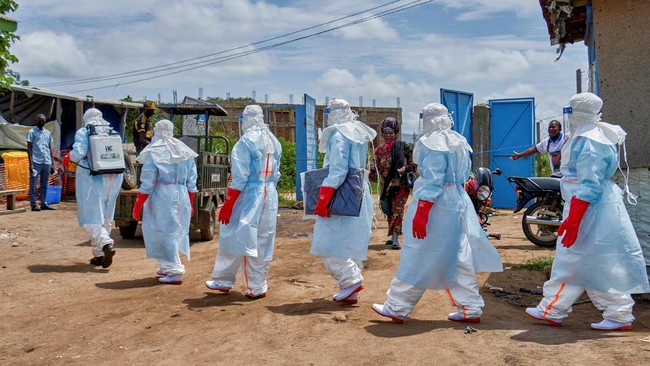
Jakarta, CNBC Indonesia - Ebola outbreaks are once again causing global alert. This time, concerns stem from a rare virus strain spreading in conflict zones with no specific vaccine available.
The World Health Organization (WHO) has declared a global health emergency following cases in the Democratic Republic of Congo (DRC) and spread to Uganda.
Theoretically, Ebola is not as easily transmissible as Covid-19; it does not spread through the air. Transmission occurs via bodily fluids such as blood, vomit, saliva, and semen. However, this is precisely the problem: once infected, the fatality rate is extremely high, with previous outbreaks reaching nearly 50% mortality.
This situation is compounded by the circulating Bundibugyo strain, which is rare and lacks a specific vaccine. The two existing Ebola vaccines are only effective against the Zaire strain, the most common in Africa, meaning healthcare workers face a deadly virus without available protective vaccines on the ground.
On the ground, conditions complicate matters further. The outbreak originated in Ituri Province, eastern DRC, a region plagued by armed conflict for years.
Hospitals and healthcare facilities in the area have been targeted by militia groups multiple times, causing many residents to avoid seeking treatment for fear of attack or suspicion. Delays in seeking care during Ebola outbreaks allow wider transmission within families and communities.
According to WHO, as of mid-May 2026, there were hundreds of suspected cases and dozens to hundreds of deaths. Cases have also been detected in Uganda after cross-border travel, with one patient dying in the capital, Kampala. Human mobility means Ebola remains a regional threat despite being less contagious than flu or Covid.
Another issue is delayed initial detection. The first patient is believed to have shown symptoms in late April 2026, but health authorities only became aware of the outbreak days later after social media reports. By the time the alarm sounded, dozens had already died.
In Ebola outbreaks, even a few weeks’ delay can disrupt contact tracing and make transmission chains difficult to unravel.
Ebola is a haemorrhagic fever caused by a virus believed to originate from fruit bats. Initial transmission typically occurs from animals to humans. Once inside the body, the virus attacks blood vessels and disrupts clotting, leading to rapid internal or external bleeding. In severe cases, organs begin to fail.
Initial symptoms often resemble common illnesses: fever, muscle pain, weakness, vomiting, and diarrhoea. This is why Ebola is frequently misdiagnosed in remote areas with limited healthcare facilities. By the time bleeding occurs, patients are usually in critical condition.
However, experts believe the world is better prepared than during the 2014 Ebola epidemic. Contact tracing systems, diagnostic laboratories, and patient isolation procedures have improved significantly. WHO and African health authorities are also coordinating more swiftly across borders. Yet major challenges remain, particularly in war zones and areas with minimal healthcare services.