
Why Does Weight Keep Rising During Ramadan? Common Occurrences at Iftar
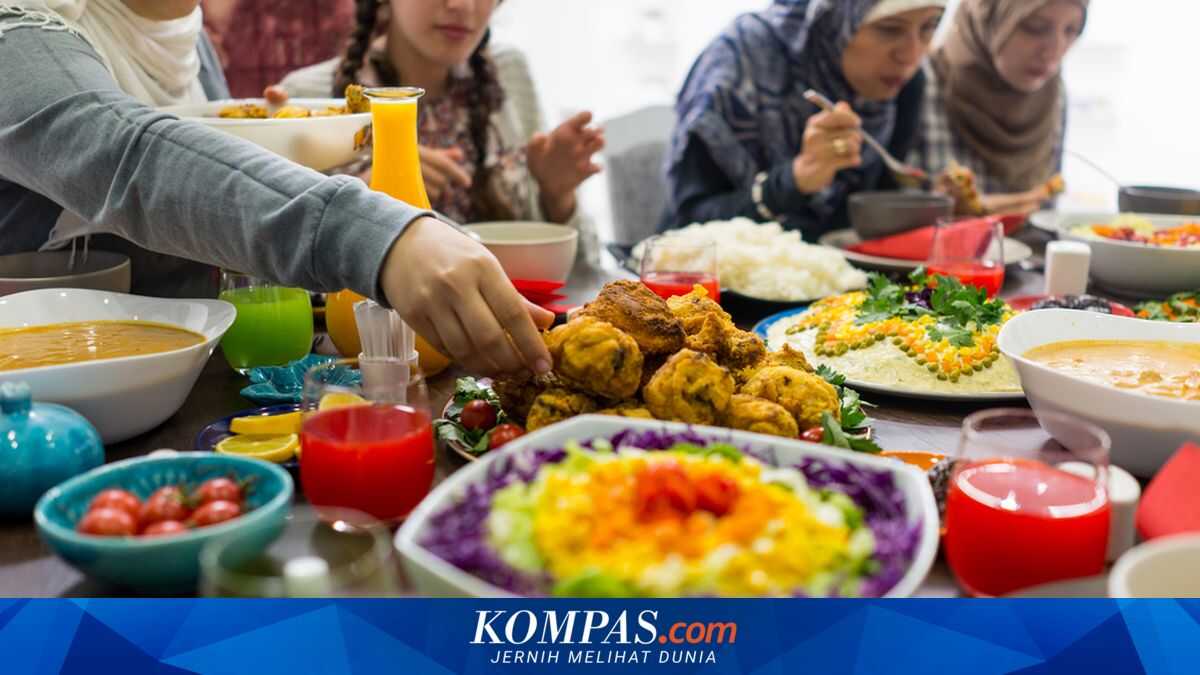
KOMPAS.com reports that many people feel they have eaten enough at iftar, yet unconsciously the calories consumed are excessive. Dr Ida Gunawan, a clinical nutrition specialist at RS Pondok Indah, said that eating patterns at iftar are often uncontrolled due to hunger after a long fast. ‘We often consume very sweet foods or fried snacks at iftar, and we know they are high in calories,’ she said when contacted by Kompas.com on Tuesday, 24 February 2026. According to her, the combination of sweet foods and fried items causes energy intake to rise sharply in a short period. Beverages and sweet foods become the main choices at iftar. Added sugars in large quantities can significantly raise total daily calories. Ida emphasised that the notion that everyone is lacking sugar during fasting is a mistaken myth. ‘That does not mean that when breaking the fast you must consume a lot of sugar,’ she said. Natural sugars from fruit such as kurma (dates) or juice without excessive added sugar are preferable. If consumed two to three pieces or more, the calorie amount can exceed the body’s needs. In addition to increasing calories, fried foods can also make the throat feel uncomfortable because the body is still dehydrated. Ida reminded of the importance of paying attention to meal timings to avoid continually increasing intake.