
Why Does Donald Trump Frequently Change His Stance on the Iran War? Analysis of Diplomatic Strategy
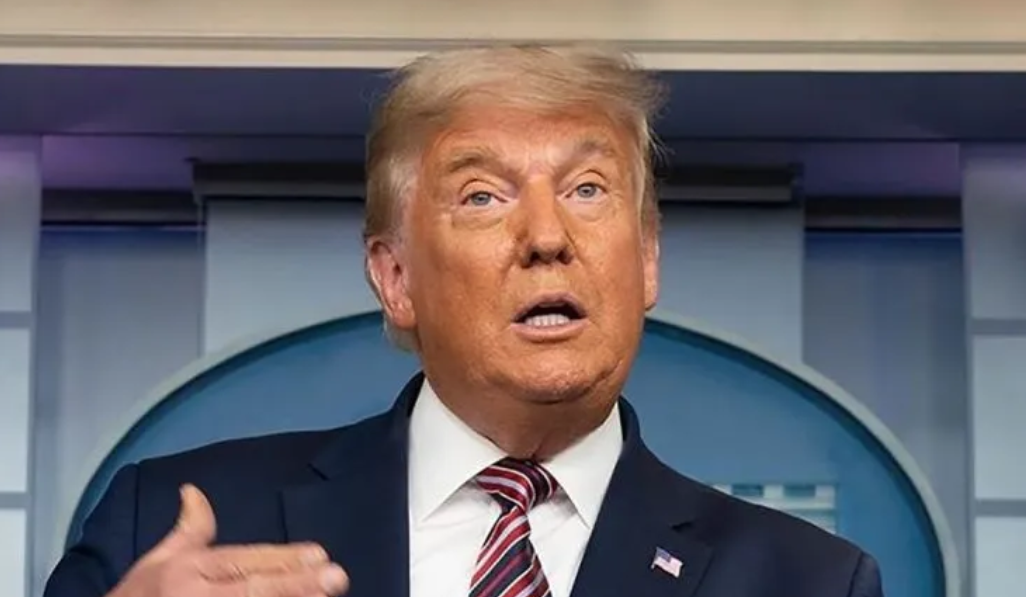
Donald Trump’s foreign policy towards Iran is often portrayed as a puzzle full of contradictions. On one hand, he employs highly aggressive rhetoric and paralysing economic sanctions. On the other, he consistently expresses reluctance to drag the United States into an ‘endless war’ in the Middle East. These seemingly inconsistent shifts in stance are actually rooted in a combination of negotiation strategies, domestic political promises, and his personal doctrine.
Trump views international diplomacy through the lens of a business negotiator. In his book, The Art of the Deal, one of his main tactics is to create uncertainty and use extreme bluffing (leverage). By being changeable—alternating between threatening total destruction of Iran and offering unconditional meetings—Trump seeks to make Iranian leaders feel insecure and ultimately force them to the negotiating table from a weak bargaining position.
One of Trump’s main campaign promises was to bring U.S. troops home and stop spending trillions of dollars on overseas conflicts. He was highly critical of the Iraq War and other military interventions. Therefore, although he wants to appear strong in the face of Iran, he strongly avoids ground invasions or full-scale wars that would betray his isolationist support base.
After withdrawing from the JCPOA (nuclear agreement) in 2018, Trump implemented a ‘Maximum Pressure’ policy. The goal was to destroy Iran’s economy so that they could no longer fund proxies in the region. However, whenever tensions approached the point of open war—such as when Iran shot down a U.S. drone in 2019—Trump often pulled back at the last minute. He recognised that war with Iran would be extremely costly, deadly, and damaging to global economic stability, including oil prices.
Trump’s inconsistency also reflects divisions within his cabinet. During his tenure, he was surrounded by ‘hawkish’ figures like John Bolton who pushed for regime change in Iran. On the other hand, Trump also listened to more cautious voices that warned of geopolitical risks. Trump often shifted between these two poles, depending on the domestic political situation or his personal instincts at the time.
Many analysts argue that Trump consciously adopted the ‘Madman Theory,’ a strategy once used by Richard Nixon. By making opponents believe that the U.S. leader is unpredictable and capable of irrational actions, opponents are expected to be more cautious and willing to compromise. In the context of Iran, Trump’s shifting stance serves to keep Tehran in a state of guessing.
Donald Trump’s changes in stance towards the Iran war are not a sign of confusion, but rather a reflection of his transactional and unconventional leadership style. He wants to achieve maximum results (Iran’s submission) with minimal risks (no war). For Trump, inconsistency is a tool; a way to ensure that the United States never gets trapped in harmful commitments, while maintaining an image as a dominant and unpredictable power on the world stage.