
Why Do Kemang and Mampang Always Flood? An Analysis of the Causes and Solutions for 2026
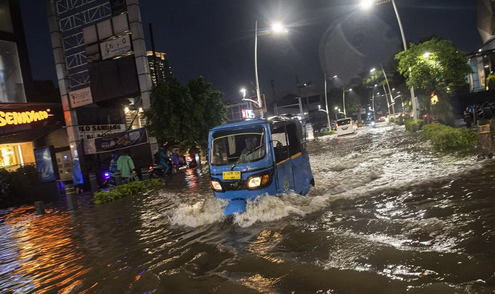
For residents of South Jakarta, the Kemang and Mampang Prapatan area has long been associated with two things: a dynamic urban lifestyle and floods that arrive suddenly. To blame heavy rainfall as the sole cause would be a major error. There are technical, historical and geographical reasons that make this area seem like a reservoir for both upstream and local water. Technically, Kemang sits atop a land structure resembling a valley or basin. If you look at the contour map of South Jakarta, Kemang Raya and its surroundings have elevations far lower than surrounding areas such as Kebayoran Baru or Cilandak. This topography creates what hydrologists call The Valley Effect. When it rains, water naturally seeks the lowest point. Without a drainage system capable of countering gravity with large pumps, Kemang will always be the outlet for water from the surrounding areas. A second hidden reason lies in the anatomy of Kali Krukut. This river is the main drainage artery in Kemang, but it suffers a bottleneck (narrowing). In several points behind Kemang’s commercial district, the river width, which should be about 20 metres, has drastically reduced to only 5–6 metres due to property development built too close to the riverbank. In 2026, although normalisation projects continue, the volume of water coming from upstream (Depok and Bogor) often arrives in Kemang at the same time as the peak local rainfall, creating a collision of flows that triggers instant overflow. Three decades ago, Kemang was a green expanse with many small wetlands and open land. However, the transformation into an elite commercial district has changed 70% of its surface to concrete and asphalt. The impermeable nature of concrete causes rainwater not to infiltrate the ground but to become runoff that fills the streets. Have you ever seen water coming out from drainage channels onto the streets, when it should be the other way around? This is the backwater phenomenon. Because the drainage outlets in residential areas are now lower than the surface of Kali Krukut, which is overflowing, river water actually flows back into the city’s drainage system. Is living in Kemang still safe from floods? It depends on the specific elevation of the street. The Kemang Timur and Kemang Utara IX areas remain the most vulnerable. However, homes with independent polder systems are increasingly in demand. What are the permanent solutions for the Mampang–Kemang floods? Consistent widening of Kali Krukut and the construction of deep well injection wells to restore the soil’s function as an absorber of water. Addressing floods in Kemang and Mampang will require time and policy consistency. However, by understanding the hidden reasons behind floods, communities and government are expected to work together to manage land use planning that is more water-friendly in the future. Trace the root causes of Jakarta’s floods from geology to urbanisation. Read the JakTirta project analysis and flood mitigation strategies for the capital. Heavy rain from Saturday to Sunday (7–8/3) triggered floods in Jakarta. The Jakarta BPBD recorded 147 RTs and 19 roads affected. Flood updates for North Jakarta today, Saturday 31 January 2026: Marunda and Kapuk Muara inundated due to river overflow and heavy rainfall. Jakarta Governor Pramono Anung has ordered the extension of weather modification operations from the previously stated end date of 23 January to 27 January. Floods up to 1.5 metres in the Kebon Pala, Jatinegara, East Jakarta, show no signs of subsiding. PT Transportasi Jakarta (TJ) has adjusted services on 17 routes to safeguard passengers. The settlement of RW 04 Cipinang Melayu, East Jakarta, was flooded up to 1.5 metres due to the Sunter River overflow. The effort should meet the needs of residents within the housing complex, not attract outsiders.