
Why Conversion to Electric Energy is Key to Strengthening Energy Resilience?
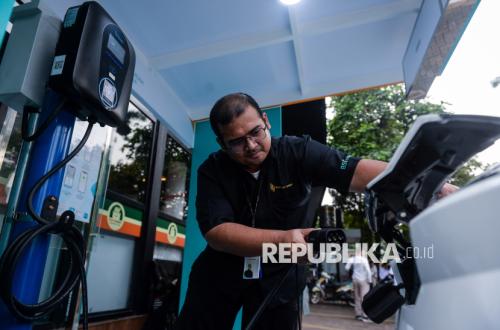
JAKARTA — Ferdinan Hutahaean, Executive Director of Energi Watch Indonesia, emphasises the importance of accelerating the conversion to electricity-based energy in both the household and transportation sectors. “The switch to electric stoves needs to be done immediately as it can reduce LPG consumption while utilising the excess national electricity supply. If gas stoves shift to electric, the surplus power can be absorbed and the subsidy burden reduced,” he stated in his comments in Jakarta on Thursday (26/3/2026). Ferdinan noted that converting one million households has the potential to save millions of LPG cylinders per month and cut subsidies by hundreds of billions of rupiah. If implemented on a massive scale to tens of millions of households, the savings would be even more significant. In addition to the household sector, the use of electric vehicles also needs to be continuously encouraged. “Electric vehicles can be a solution to reduce oil fuel consumption while increasing energy efficiency,” he said. Therefore, Ferdinan urges the government to strengthen incentives for electric vehicles, both two-wheeled and four-wheeled, to widen their adoption in society. According to him, electricity has the advantage of being producible from various sources, making it more sustainable than fossil energy, which is increasingly depleting. “Electricity will continue to be available, unlike fossil energy which will definitely run out. Therefore, policies must be directed so that society shifts to electricity,” he said. Ferdinan asserts that accelerating electrification in the household and transportation sectors is an important step to reduce energy subsidies, lessen import dependency, and strengthen national energy resilience. “If there is no policy change, subsidies will continue to swell and the risks to the economy will grow even larger,” he said.