
Why Can't All Ships Pass Through the Strait of Hormuz? Here's the Reason
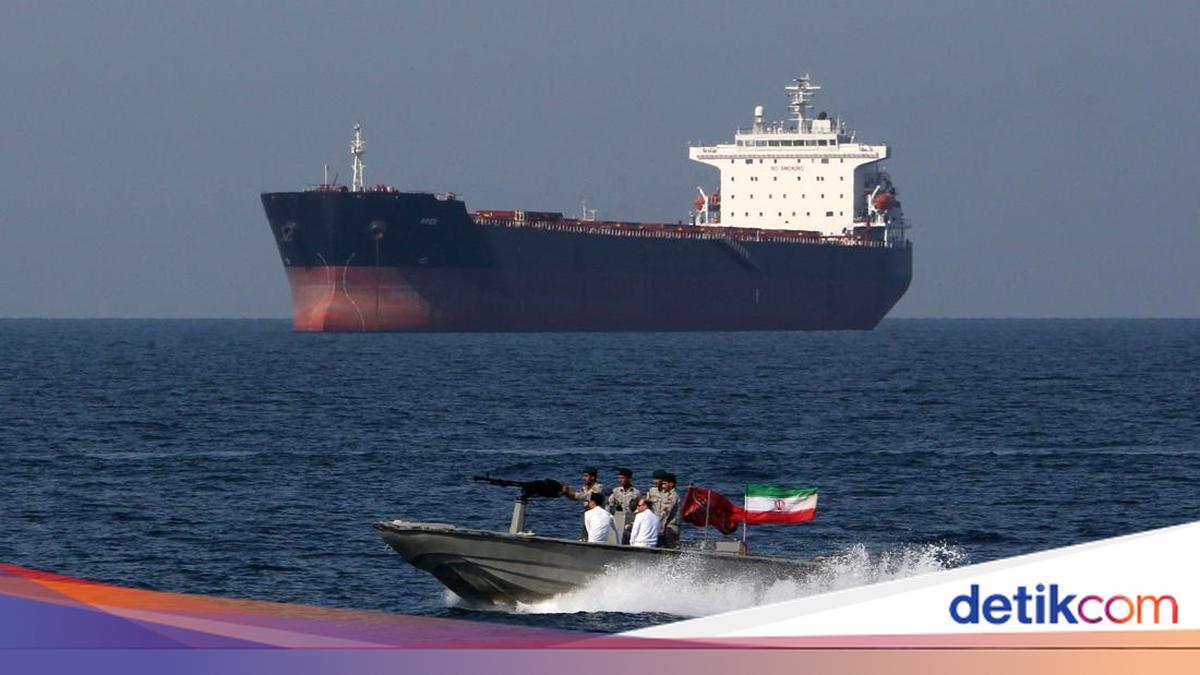
The crisis in the Strait of Hormuz has reached boiling point since the outbreak of conflict between the United States and Israel against Iran at the end of February. As the main lifeline carrying around 20 per cent of the world’s oil and gas supplies, Tehran’s de facto closure has triggered one of the worst energy crises in recent decades. This phenomenon has sparked a major question in society: Why can’t all ships pass through the Strait of Hormuz? The reason is closely tied to Iran’s geopolitical strategy, which uses the strait as a bargaining tool in warfare.
Many parties are shocked to see thousands of ships stranded on both sides of the narrow strait, while some other ships appear to pass freely. This situation creates extremely high global economic uncertainty, with experts beginning to warn of the threat of recession. Understanding the reasons why not all ships can pass through the Strait of Hormuz is crucial, given that this route is the “heart valve” of global production, carrying not only energy but also raw materials for fertiliser to semiconductor components.
This obstacle is not merely a matter of physical security due to warfare, but rather a new, highly strict and discriminatory control mechanism. Recent reports indicate a military bureaucracy system that determines the fate of every cargo attempting to cross. To address public curiosity about why not all ships can pass through the Strait of Hormuz, we need to dissect the new rules implemented by Iranian authorities and the list of countries that receive “privileges” on this most vital trade route in the world.
“Toll Booth” System and Military Verification
According to an Al Jazeera report on Thursday (26/3/2026), the main cause of this obstacle is the implementation of a “Toll Booth” system by the Islamic Revolutionary Guard Corps (IRGC). Although Iran’s Parliament is still finalising the official law, the IRGC is already running a strict vetting scheme.
Mohammadreza Rezaei Kouchi, Chairman of Iran’s Parliament Civil Affairs Committee, as quoted in the Al Jazeera report on Thursday (26/3/2026) from Tasnim and Fars news agencies, stated:
“According to this plan, Iran must collect fees to ensure the security of ships passing through the Strait of Hormuz. This is entirely natural. Just like in other corridors, when goods pass through a country, duties are paid. The Strait of Hormuz is also a corridor. We guarantee its security, and it is reasonable for ships and tankers to pay duties to us.”
Ships wishing to cross must contact IRGC intermediaries and submit sensitive data (IMO number, cargo documents, to crew lists). If they pass, the ship is given a clearance code and special route instructions.
List of Countries Allowed to Pass (Friendly Nations)
Based on a Hindustan Times report on Saturday (28/3), Iran is implementing a selective policy that only benefits countries it considers “friends”. Iran’s Foreign Minister, Abbas Araghchi, in his statement quoted on Thursday (26/3), affirmed:
“We allow passage through the Strait of Hormuz for friendly countries including China, Russia, India, Iraq, and Pakistan.”
Here are the details of the countries reported to still be able to pass according to Hindustan Times and Al Jazeera reports:
India: Considered a strategic partner. LPG carriers such as BW Tyr, BW Elm, Pine Gas, Jag Vasant, Shivalik, and Nanda Devi, as well as the oil tanker Jag Laadki, have successfully passed. Indian official Rajesh Kumar Sinha emphasised that no official tribute payments have been made by New Delhi.
China: The main user of this route. At least two ships were monitored paying transit fees in Yuan currency through intermediaries of Chinese maritime service companies.
Russia: Receives priority access as Iran’s main ally.
Pakistan & Iraq: Officially named by Iranian authorities as countries allowed to pass through tight coordination.
Malaysia & Thailand: Both countries claim to have received assurances from Iran that their ships are permitted to pass.
Who is Banned?
Strict bans apply to ships affiliated with Iran’s enemies. Based on Iran’s letter to the International Maritime Organization (IMO) as reported by Al Jazeera on Tuesday (24/3), the banned parties are:
United States, Israel, and their allies: Ships deemed to participate in or support aggressive actions against Iran are not granted peaceful passage permits.
Ships Failing Protocol: According to an Al Jazeera report on Tuesday (24/3), IRGC navy commander Alireza Tangsiri confirmed on his X account that the container ship Selen was forced to turn back due to “failure to comply with legal protocols and lack of permission.”
Systemic Impact: Not Just Oil
Data from Al Jazeera on Thursday (26/3) shows the horrific impact of this selective blockade. In addition to 20 per cent of the world’s energy supply, the strait carries 50 per cent of the world’s urea supply (fertiliser) and a third of the helium supply for medical technology (MRI). Sultan al-Jaber, CEO of ADNOC, stated in his speech in the US on Thursday (26/3):
“When Iran holds Hormuz hostage, every nation pays the ransom at the petrol pump, in the grocery store, and at the pharmacy. No country should be allowed to shake the global economy in this way.”
This closure proves that the world’s dependence on one narrow 39 km route is a real systemic risk. For those monitoring rising prices of basic necessities, the situation in Hormuz is a key determinant of global economic stability in the coming months.
This selective blockade in the Strait of Hormuz serves as a bitter reminder to the world that the security of global trade routes is extremely fragile. With its status as the “heart valve” of the economy, even the smallest disruption in this 39 km route will immediately be felt at our dining tables and fuel tanks. Iran’s firmness in implementing the “toll booth” system and selecting which countries may pass is not merely