
Why Bitcoin Is Favoured Over Gold During the US–Israel–Iran War? Here Are the Reasons
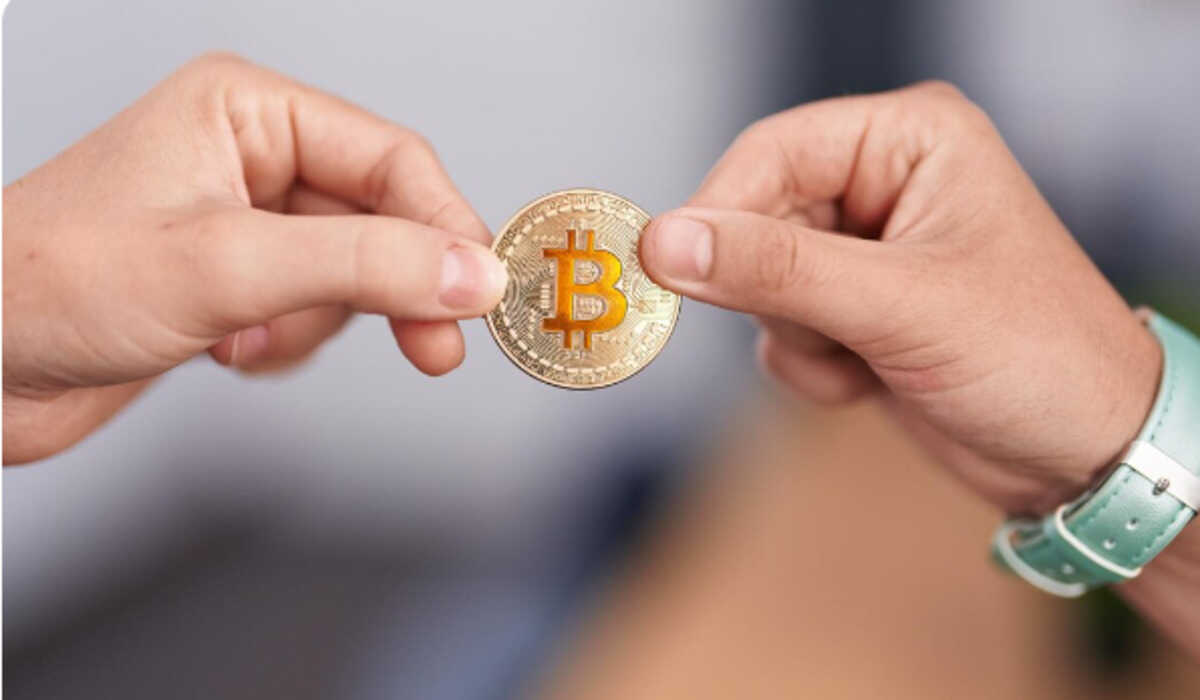
In March 2026, the global investment landscape is experiencing a paradigm shift as tensions in the Middle East escalate into a broader confrontation involving the United States and Israel against Iran. Bitcoin is increasingly emerging as a serious rival to gold in the safe-haven asset category. While gold has historically been regarded as the best inflation hedge, modern warfare in the region creates new needs that digital assets can meet. Here are the main reasons investors are turning to Bitcoin rather than physical gold: Physical gold presents significant constraints in emergency situations: heavy and difficult to transport across borders without strict scrutiny or risk of seizure. By comparison, Bitcoin can be carried simply by recalling a 12-word seed phrase, allowing wealth to cross borders instantly. When conflict erupts, physical commodity markets and banking systems in war zones often shut down or face operational restrictions. Bitcoin operates on a decentralised network that runs 24/7 and does not rely on any central bank or financial institution. Bitcoin price: around US$72,927 (Rp1.23 billion). Gold price: around US5, 390pertroyounce.Rupiahexchangerate : aroundRp16, 905perUS. In wartime, governments frequently implement capital controls or freeze bank accounts belonging to certain parties. Bitcoin, with its decentralised and pseudonymous nature, provides owners with full sovereignty so assets cannot be frozen by authorities as long as private keys are held by the owner. Selling large quantities of gold amid wartime can be a risky logistical challenge. Bitcoin offers instant liquidity through global exchanges or peer-to-peer transactions that remain active as long as internet connectivity is available. Investors are beginning to recognise that Bitcoin’s supply is mathematically fixed at 21 million coins, while new gold explorations continue, and in a war scenario, the distribution of physical gold is often disrupted by regional blockades as seen in the Hormuz Strait. CryptoQuant Senior Analyst, Julio Moreno, states: “Bitcoin offers advantages that physical gold does not possess in wartime: instant liquidity and the ability to cross borders without strict physical checks.” However, Indonesian investors are advised to stay vigilant. The Rupiah’s weakness to Rp16,905 per US$ shows volatility remains high, and diversifying assets between Bitcoin and gold remains the wisest strategy amid global uncertainty in 2026. Long queues for refuelling at public petrol stations in Central Aceh and Bener Meriah have lasted for three days, prompting calls for the government to safeguard energy supply stability and national prices. Author Robert Kiyosaki, famous for Rich Dad Poor Dad, has reignited debate by attributing the escalation of war as a key driver of Bitcoin price surges. The jump to around US$72,000 is not merely speculation but an instant market reaction to the Middle East conflict that threatens global economic stability. The escalation of the US–Israel–Iran conflict has lifted gold to around US$5,100 and increased volatility in crypto markets. Read Indodax’s safe-haven vs speculation investment strategy here. The complete guide to the 11 most popular cryptocurrencies in 2026 is available, with updated Rupiah prices, technology advantages, and investment risks for your portfolio. Copyright @ 2026 Media Group - mediaindonesia. All Rights Reserved