
Who Wins, Who Loses? These Are the Sectors Affected by the Indonesia-US Trade Agreement
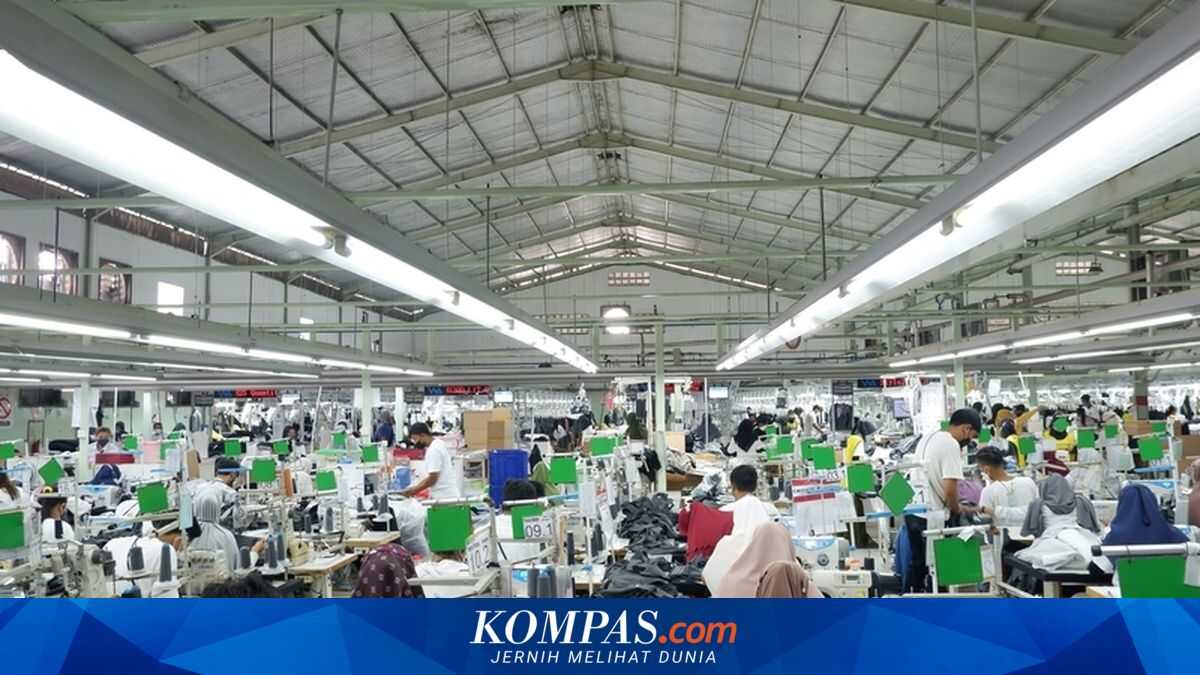
Jakarta — The trade agreement between the United States and Indonesia under the Agreement on Reciprocal Trade (ART) framework marks a new chapter in the bilateral trade relationship between the two countries.
On one hand, the agreement is said to open opportunities for increased market access. However, on the other hand, there are uneven sectoral implications for domestic industries.
The Trade and Industry Brief for February 2026, published by the Economic and Society Research Institute (LPEM) of the Faculty of Economics and Business (FEB) at the University of Indonesia (UI), provides a detailed mapping of sectors with potential gains and losses from the ART implementation, particularly regarding tariff adjustments and regulatory harmonisation.
“The ART agreement was initially expected to contain balanced reciprocal tariff reduction commitments. However, upon closer examination, the opportunities for Indonesia are not balanced with those for the US,” the LPEM FEB UI stated in its report.
“Indonesia must grant access to zero per cent tariff for 99 per cent of US products that could potentially disrupt domestic trade,” it added.
In return, the US will reduce additional duties above Most Favoured Nation (MFN) rates for a number of Indonesian products to zero per cent, including palm oil, coffee, cocoa, spices, rubber, and textiles.
The tariff structure of the US towards Indonesian products shows considerable variation. The highest average duties are imposed on textiles and apparel (approximately 9.1 per cent), followed by footwear (approximately 7.5 per cent), whilst products such as machinery and electrical equipment face relatively lower rates.
This data forms the basis for sectoral analysis regarding who stands to gain the most from the tariff scheme changes.
“Tariff reductions will have different sectoral impacts. The sectors with the greatest potential gains are textiles and apparel, food products, and footwear, as all three have the highest initial tariff rates,” the LPEM FEB UI stated.
The high initial tariff levels are the primary reason why these sectors are considered to gain relatively larger benefits when tariff reductions occur.
In the logic of international trade, the higher the initial tariff, the greater the potential for cost reduction in market entry, which can increase price competitiveness in the destination market.