
Who is the Lebanese Journalist Amal Khalil Allegedly Targeted by Israel?
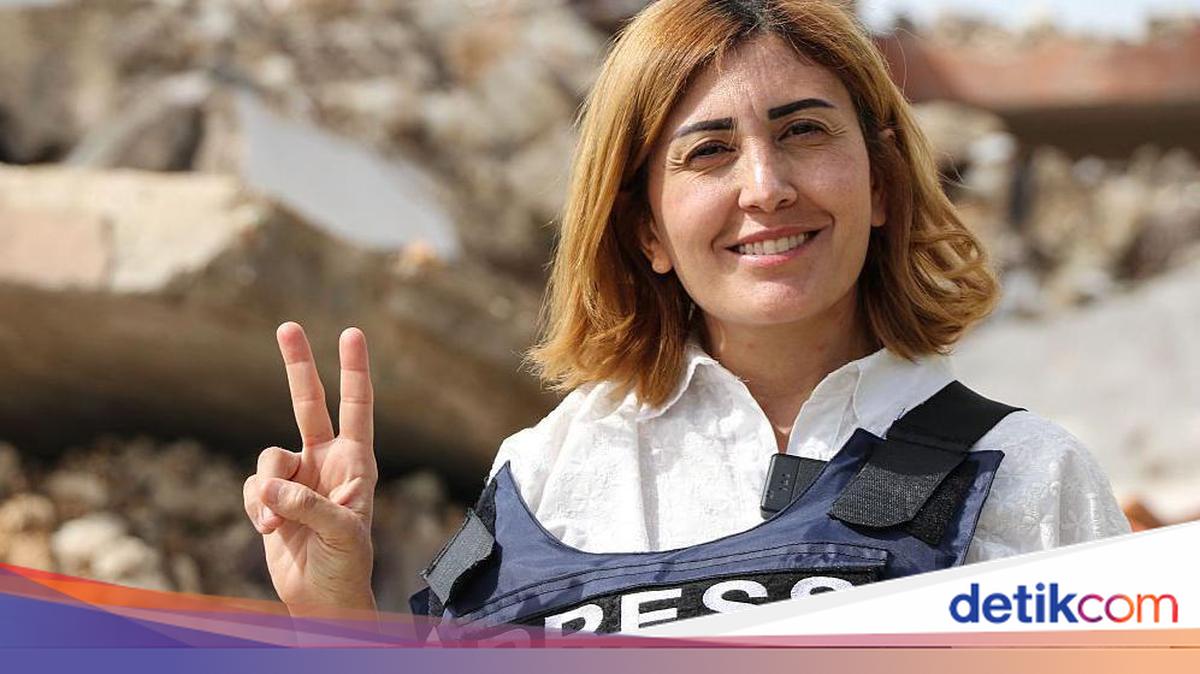
Lebanon’s Prime Minister has accused Israel of committing war crimes after an airstrike in southern Lebanon on Wednesday killed a journalist and injured another.
The strike killed Amal Khalil, a journalist with the Lebanese daily Al-Akhbar, and wounded freelance photographer Zeinab Faraj.
According to several Lebanese officials, the pair were deliberately targeted as they sought shelter in a house after an initial strike hit a vehicle in front of them, killing two men.
Lebanese officials also accused the Israel Defense Forces (IDF) of deliberately targeting a clearly marked ambulance as the medical vehicle attempted to reach the site to aid the journalists in the village of Tayri.
The IDF denied the allegations. Israel’s military stated it did not target journalists and did not obstruct rescue teams from entering the strike area.
Why is Israel accused of targeting Amal Khalil?
Journalist Amal Khalil, 43, from the Lebanese daily Al-Akhbar, and freelance photographer Zeinab Faraj were known to be travelling together when the Israeli airstrike occurred.
The identities of the two other men killed in the incident have not been announced by local officials.
Lebanese Prime Minister Nawaf Salam emphasised: “Targeting journalists, obstructing rescue teams from reaching them, and even striking the location again after the team arrives, is a clear war crime.”
Amal Khalil, a journalist with the Lebanese daily ‘Al-Akhbar’, was killed in an airstrike that the Lebanese government says was carried out by Israel. (AP)
He accused Israel of repeatedly targeting media workers in southern Lebanon, describing it as an “established approach.”
Salam extended condolences to Khalil’s family and affirmed that Lebanon would “prosecute this crime in the competent international forums.”
In a separate statement, the Israel Defense Forces (IDF) rejected the accusations.
The IDF stated that it “does not target journalists and strives to minimise risks to them while ensuring the safety of its forces.”
Israel’s military also said it had identified two vehicles that “departed from a Hezbollah-used military structure.”
One vehicle was said to approach Israeli forces in a manner deemed a “direct threat” after crossing the “frontline defence line”, thereby violating the ceasefire, according to the Israeli military statement.
The IDF stated that the Israeli Air Force then struck the vehicle, and “the structure where the individuals fled was also attacked.”
However, Lebanon’s Ministry of Health accused the IDF of “hunting” Amal Khalil and Zeinab Faraj, who had taken shelter in a house after the first strike. The house where they sought protection was subsequently targeted.
Did Israel obstruct medical teams from providing aid?
When a Lebanese Red Cross ambulance arrived to aid the victims, Israeli forces allegedly threw stun grenades and fired shots at the medical vehicle, obstructing the rescue efforts.
“This is a clear double violation: obstructing rescue efforts for a civilian known as a media activist, and targeting a clearly marked Red Cross ambulance,” the ministry said in an official statement.
Executive Director of Reporters Without Borders, Clayton Weimer, said the IDF had received messages from his organisation and other journalists urging it to allow the ambulance to reach Khalil.
26 people killed, including prominent journalists, in hotel attack in Somalia
Saudi Arabia finally admits journalist Jamal Khashoggi was murdered
“The Red Cross signalled that they could not penetrate the location because Israel continued bombing. This shows negligence, on top of what appears to be a deliberate and targeted killing of a journalist,” he said.
Faraj was eventually evacuated along with two other deceased victims.
Meanwhile, Khalil’s body was later found by emergency teams, according to Lebanon’s civil defence agency.
Why is the attack on journalists a serious violation?
The Lebanese daily Al-Akhbar wrote in its article that Amal Khalil “remained steadfast in carrying out her humanitarian and professional duties.”
William Christou, a Guardian journalist covering the Middle East, described Khalil in an X post as a professional, kind, dedicated journalist who was always a pleasure to meet in the field.
Israel’s military (IDF) acknowledged reports that two journalists were injured in the airstrike but emphasised it did not obstruct rescue teams from reaching the site. The IDF has not acknowledged Khalil’s death.
A photo shows rescue workers at the site of the strike that killed the Lebanese journalist. (Lebanon Civil Defence)
The New York-based Committee to Protect Journalists (CPJ) expressed outrage over Khalil’s death.
CPJ Regional Director Sara Qudah said: “Repeated strikes in the same location, targeting the area where journalists are sheltering, and obstructing medical and humanitarian access are serious violations of international humanitarian law.”
What threats did Amal Khalil receive?
In 2024, Amal Khalil said she had been the target of “Israeli death threats” warning her to leave southern Lebanon, according to local media reports.
The Committee to Protect Journalists (CPJ) said the report raised “serious concerns about deliberate targeting.”
Earlier this month, two journalists were killed in separate Israeli strikes in Lebanon: Ghada Dayekh, a presenter at private radio station Sawt al-Farah, and Suzan Khalil, a reporter and presenter at Al-Manar TV, affiliated with the armed group Hezbollah.
Last month, three Lebanese journalists were also killed in a targeted Israeli strike in the city of Jezzine, according to their media office.
The deceased victims were Ali Shoeib, a reporter for Al-Manar TV, as well as Fatima Ftouni and her brother, cameraman Mohamed Ftouni.