
Who Controls the Strait of Hormuz? Understanding the World's Most Strategic Oil Route
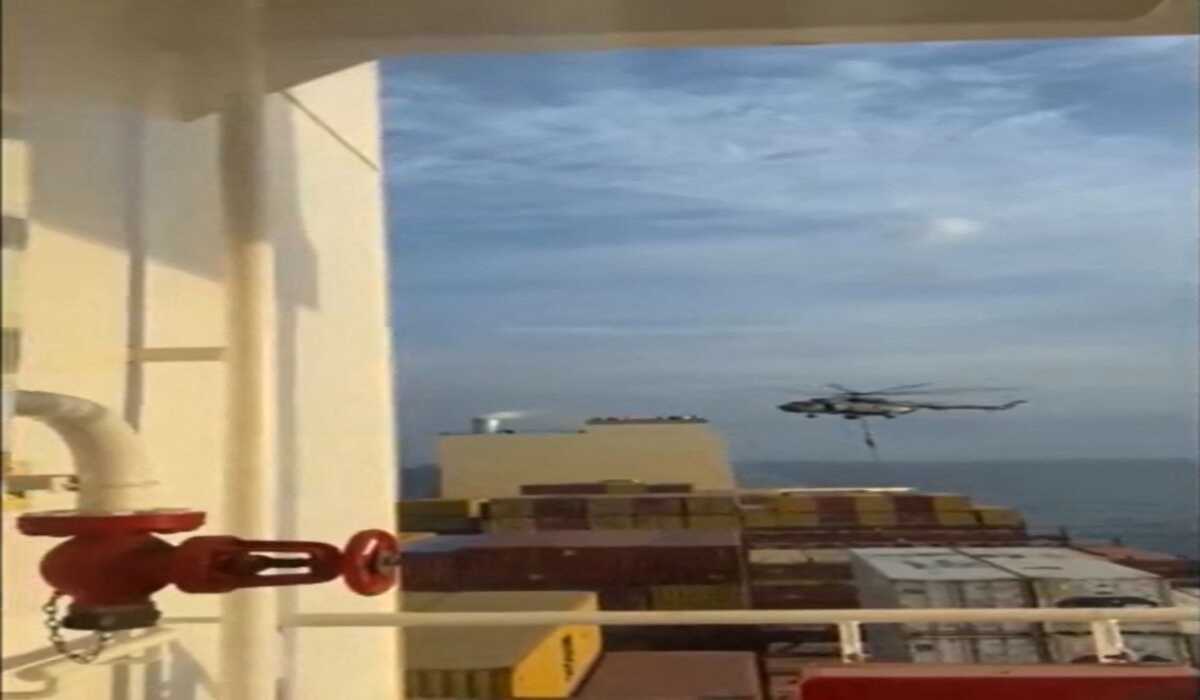
The Strait of Hormuz is often nicknamed the “World’s Arterial Vein”. This narrow waterway connects the Persian Gulf with the Gulf of Oman and Arabian Sea. Despite being only approximately 33 kilometres wide at its narrowest point, roughly 20% to 30% of global oil consumption passes through this route daily.
The question of who controls the Strait of Hormuz becomes crucial whenever tensions in the Middle East escalate. Geographically, the strait is flanked by two major nations: Iran to the north and Oman to the south. However, control over the strait involves complex layers of international law and military power.
Iran possesses the longest coastline along the Strait of Hormuz. The Islamic Revolutionary Guard Corps (IRGC) is the military unit that actively controls naval operations in this region. Iran frequently uses its geographic position as an instrument of geopolitical pressure. Through the use of fast attack craft, naval mines, and coastal missile batteries, Iran is technically capable of disrupting or closing tanker traffic in the event of open conflict.
To the south lies the Musandam Peninsula, an exclave territory of Oman. The main shipping lanes used by oil tankers actually pass through the territorial waters of Oman and Iran. Oman tends to assume a role as mediator, ensuring the route remains open for global energy trade.
Although it has no sovereign territory there, the United States, through its Fifth Fleet based in Bahrain, maintains significant military presence. The United States and its allies serve as guarantors of “Freedom of Navigation” to ensure the world’s energy supply remains uninterrupted.
Based on the United Nations Convention on the Law of the Sea (UNCLOS), the Strait of Hormuz is categorised as a “Strait Used for International Navigation”. This grants the right of transit passage to all foreign vessels. Under international law, coastal states are not permitted to unilaterally close the strait for peaceful passage.
Iran frequently threatens to close the strait as a bargaining position (bargaining chip) against economic sanctions or military pressure from Western nations.