
White House Halts Russian Oil Leniency, Signalling New Trade War Begins?
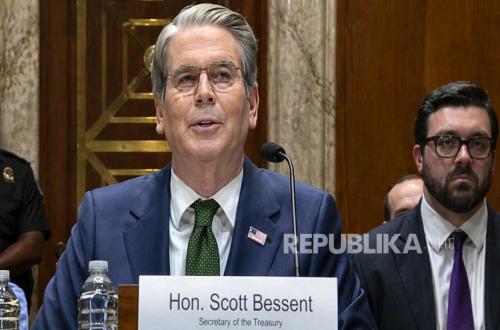
The United States government has signalled that it will not extend the sanctions relief on Russian oil and petroleum products, as part of Washington’s efforts to increase economic pressure on Moscow. US Treasury Secretary Scott Bessent told the Associated Press that the chances of extending the easing policy are increasingly slim. “I think there will be no further extension,” Bessent said, as reported by AP and Reuters yesterday. He added that Russia’s previously stored oil reserves at sea have been significantly reduced. This statement indicates a shift in Washington’s stance after previously providing space for the settlement of energy transactions that were ongoing before the sanctions were tightened. The US Treasury Department had previously issued a general licence permitting transactions related to Russian oil loaded onto tankers before 17 April. That licence is valid until 16 May and allows the completion of contracts that had already begun. However, Bessent also dismissed the possibility of issuing new licences in the near future, including those related to Iranian oil sales, which are currently still under US sanctions restrictions. On 22 April, Bessent mentioned that several countries had asked Washington to consider extending the sanctions relief on Russian oil purchases. Nevertheless, there is no indication that these requests will be accommodated. Meanwhile, US Energy Secretary Chris Wright had previously stated that sanctions on Russia’s energy sector are likely to be fully reimposed after the temporary easing period ends. On the other hand, Ukraine has consistently opposed any form of sanctions relief on Russian oil, arguing that such policies could strengthen Moscow’s financial capabilities in the ongoing conflict. Washington’s move has the potential to tighten the global energy market, given that Russia is one of the world’s major oil exporters. Reduced flexibility in energy transactions could trigger price volatility, especially if not offset by increased supplies from other countries. Amid these dynamics, US energy policies not only reflect economic pressure on Russia but also form part of a broader geopolitical strategy in managing the global energy market balance.