
Where Does Offal from Eid al-Adha Sacrificial Animals Go? Here's the Answer
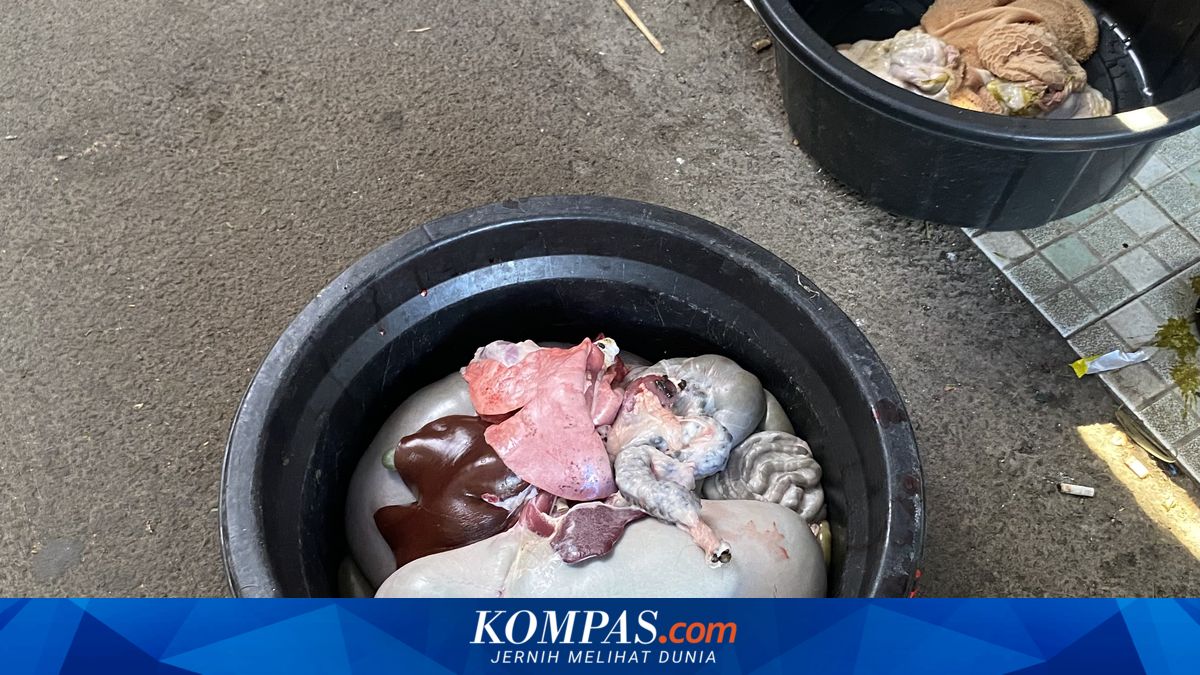
West Jakarta – Offal from Eid al-Adha sacrificial animals at several slaughter sites in West Jakarta on Wednesday (27 May 2026) is not entirely disposed of at waste facilities. Some offal is collected by residents for cooking, while the rest is discarded as unfit for consumption. Locals utilise these parts in various home-cooked dishes such as sambal goreng, soto, and gulai. Meanwhile, damaged, contaminated, or non-consumable portions are separated by committees for disposal. ‘If still in good condition, we distribute them, but if unfit, we separate them immediately to prevent accumulation and odours,’ said Rahmat, speaking to Kompas.com on Wednesday. In addition to offal, local vendors were seen selling hides from Eid al-Adha sacrificial animals. These are typically purchased by residents or small businesses for further processing, while some are collected for resale as raw materials. According to butchers, waste management is a key focus during the slaughter process. Blood and unused offal are not left to spill but are collected in special bags and disposed of by environmental sanitation officers. ‘Blood is directed into drains, and unused offal is gathered into large bags for disposal. This is our annual SOP in collaboration with mosques and Eid al-Adha committees,’ said Imam, 28, another butcher. He added that on peak days of Eid al-Adha, up to a dozen animals are processed daily. This requires swift work while maintaining cleanliness and hygiene in the area. ‘When busy, the hardest part is managing time and workflow. It must be fast but also clean because the location is near residents’ homes,’ he said.