
Where Does Holiday Allowance Go?
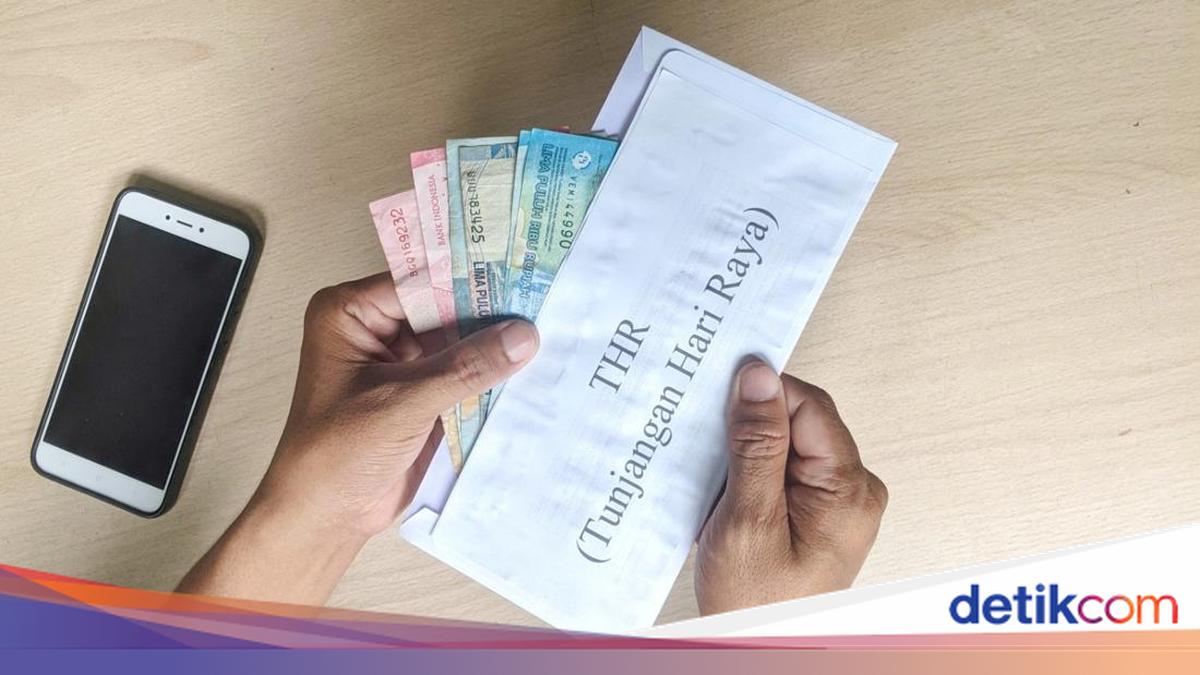
As Eid al-Fitr approaches, one word typically becomes common in workers’ conversations: THR. Tunjangan Hari Raya (holiday allowance) is more than just an annual income supplement. For many people, this money supports various seasonal needs that arrive simultaneously, from purchasing new clothes and preparing Eid feasts to sharing with family.
However, behind this euphoria, each person manages THR differently. Some use it immediately for Eid needs, whilst others plan its usage from the outset to ensure it lasts longer. Two workers interviewed demonstrate how THR can be utilised in different ways, depending on individual life circumstances and priorities.
For Herlina Andriantini Mulia (36), THR has become part of her annual financial rhythm. She works at PT Maritim Barito Perkasa, a shipping company in Banjarmasin, and has held her position for nearly 13 years. “Alhamdulillah, I receive THR every year,” she said.
As a married worker, Herlina says her THR spending is rarely spontaneous. She typically considers her spending plans even before receiving the money. One priority is often travel costs for returning home. If she plans to visit her hometown, a portion of THR is usually allocated for travel tickets.
However, as family responsibilities have increased, her THR priorities have shifted. Now, most of the funds are used for her children’s needs and Eid celebrations with the family. As Eid approaches, household needs typically increase. Besides buying new clothes, families usually prepare additional items such as Eid cakes or small gifts for family members.
She also sets aside money to share with relatives. Nephews and nieces usually receive a portion of THR, as do her parents and in-laws. Though many needs must be met, Herlina tries to keep spending under control. She says the key to managing THR is thorough planning.
Long in advance, she allocates funds for various needs, from Eid clothes and cakes to money for her parents. This way, spending remains within budgeted limits. “Don’t be greedy,” she said with a laugh.
According to her, the biggest temptation usually comes from wanting to buy more than planned. “I should buy one, but suddenly it becomes two. That’s what causes overspending,” she said.
With such planning, her THR typically does not run out immediately after Eid. If there is any surplus, the money goes into savings as long as there are no urgent needs.
For Herlina, THR adequately helps maintain her family’s financial stability during the Eid period. “Alhamdulillah it’s enough, because it’s planned well in advance,” she said.
A different experience comes from Nurfajrina Rusmadini (29). She also works in the maritime logistics field at the same company in Banjarmasin, but her life circumstances differ. Besides working, Dini, as she is known, is currently pursuing a master’s degree. “Besides working, I’m studying for a master’s degree in Banjarmasin,” she said.
Like most other workers, she receives THR from her company every year. However, the use of these funds is usually planned even before the money arrives. Part of the funds she keeps for unexpected needs, whilst the rest is used for typical pre-Eid needs such as consumption or sharing with family.
She also usually sets aside funds for personal needs, including purchasing Eid clothes for herself and her family. However, this year, her THR priorities have changed significantly. “This year, all my THR is used for tuition fees,” Dini said.
She is currently in the final stages of her studies and needs additional funds for various academic requirements, including thesis defence preparation. With this situation, most of her THR is allocated for education needs. Nevertheless, she still sets aside a small amount to share with younger family members during Eid.
In previous years, Dini did not immediately spend all her THR. Some funds were even saved or invested. However, this year the situation differs due to substantial education needs. “It seems like it will all go to education,” she said.
Despite this, she still feels THR greatly helps her finances during Ramadan. “It’s very helpful, because during the fasting month our spending is indirectly much higher than in previous months,” she said.
For Dini, to prevent THR from disappearing quickly, the key remains planning. “My suggestion is to plan before receiving THR—how much you need to spend and how much you should save,” she said.
She also added that using part of THR for oneself is not a problem, as long as there is a portion for savings. “You can reward yourself with THR money, but it’s better to save more,” she said.
Amid increasing needs before Eid, THR indeed often becomes a temporary financial lifeline. However, from these workers’ experiences, one thing is clear: without planning, the money can disappear far more quickly than imagined.
For some people, THR means buying new clothes or preparing Eid feasts. For others, it could be savings, investment, or even education costs. Whatever form it takes, how someone manages THR often reflects their life priorities.