
When Will Private Fuel Stations Adjust Fuel Prices? Here's the Explanation
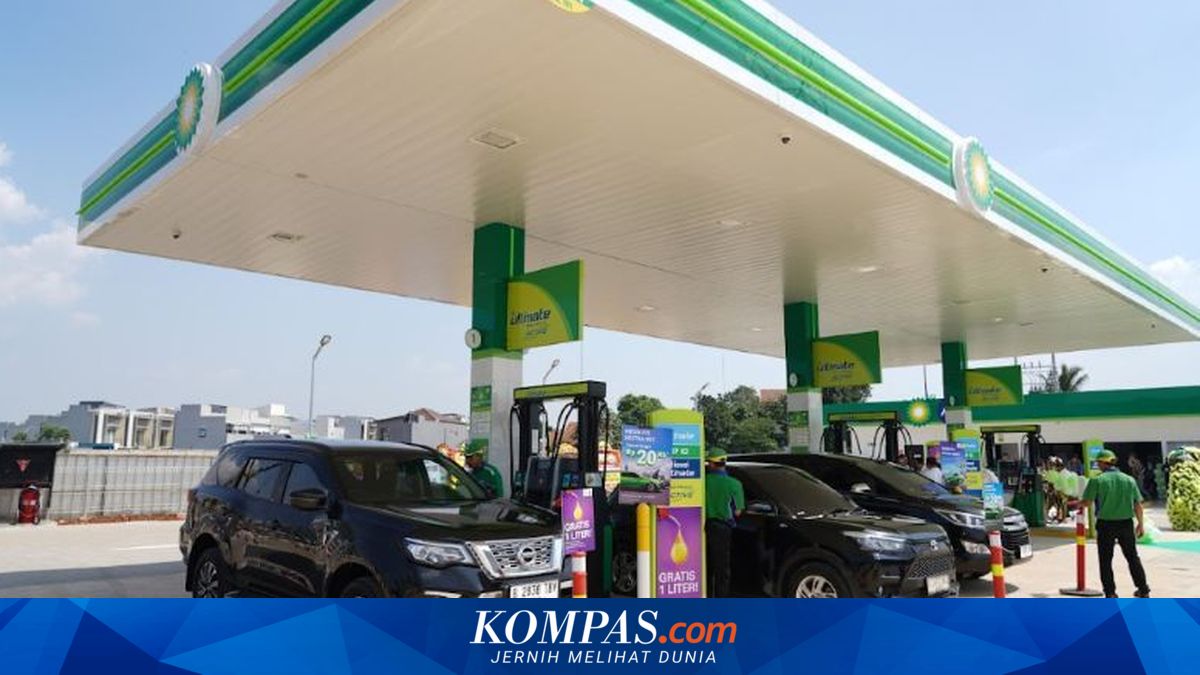
JAKARTA – Concerns over fuel price adjustments have resurfaced, particularly regarding when private fuel stations will implement changes amid fluctuating market conditions.
In an official statement to Kompas.com, BP-AKR stated that fuel price adjustments are not made arbitrarily. The company follows the mechanisms in place in Indonesia while respecting government policies on energy sector governance.
This means that changes in fuel prices at private fuel stations are heavily dependent on global and domestic conditions. Key factors determining when adjustments occur include rises or falls in world oil prices, market demand dynamics, and government policies.
On the other hand, the government has not yet set a specific time for adjusting non-subsidised fuel prices. The Minister of Energy and Mineral Resources, Bahlil Lahadalia, revealed that calculations are still ongoing.
He added that the government is still conducting calculations with various parties, including Pertamina and private sector players.
“We are still doing the exercise now. And hopefully, pray that the ICP price can drop. That would be much better,” he said.
In the field, private fuel stations are still facing stock availability challenges. For instance, Shell has experienced fuel shortages in several regions until mid-April 2026. Currently, some stations are only operating minimarkets and workshops.
Meanwhile, Vivo Energy has also faced ups and downs in stock. The Revvo 90 (RON 90) product has been nearly unavailable in recent months, with supplies more commonly available only for Revvo 92 and Primus Plus Diesel in Jakarta and surrounding areas.
This situation indicates that, beyond price factors, distribution and stock availability aspects also influence private fuel market dynamics.
Ultimately, fuel price adjustments at private fuel stations are not just about following trends but the result of complex calculations involving many variables.