
When War Teaches Us to Save Energy
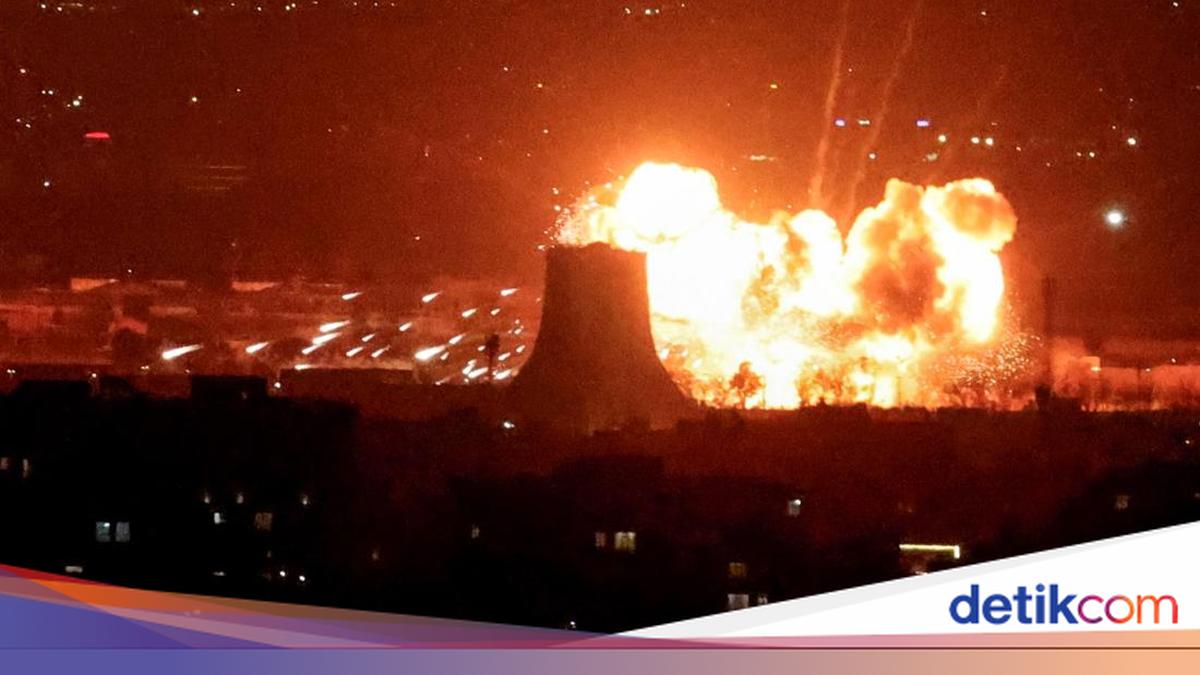
That morning, Dina Widyawan turned off the air conditioning in the living room earlier than usual. The 27-year-old woman, who works as an administrative staff member, has recently felt a change in her routine. It was not due to a sudden surge in her electricity bill, but because of the news constantly flashing on her phone. The escalating conflict in the Middle East, disruptions to global energy distribution routes, and creeping rises in fuel prices.
Initially, Dina did not think it would directly impact her life. However, when she read that the Strait of Hormuz, a vital route for about 20 percent of the world’s oil and gas supply, was affected by the conflict, she began to rethink her habits. For her, the news was like a distant alarm, but loud enough to make her pause for a moment.
Since then, she has started doing small things. The AC is only turned on when it is really hot, lights are turned off during the day, and she chooses to air-dry clothes instead of using a dryer. She has even begun considering taking public transport to the office occasionally instead of driving her own car.
“If we don’t start saving now, we’ll be shocked when prices rise later,” she thought.
Dina’s steps may seem simple, but they reflect a larger change. Global conflicts, especially in the Gulf region, no longer feel distant. Their impacts ripple into homes, forcing many people to start saving energy, whether consciously or not.
Residents are urged to save energy, including by reducing electricity usage.
The war in the Middle East is not just about military conflict. Tensions involving Iran, the United States, and Israel have triggered major disruptions to the world’s energy supply. Attacks on energy facilities and disruptions to distribution routes have caused energy prices to surge sharply.
In such situations, many countries around the world are seemingly “forced” to save. Governments in various countries must choose between bearing increasingly expensive energy costs or curbing consumption. The second option has become the most common approach.
Quoting a Reuters report, the current surge in energy prices has led various countries to implement conservation policies, ranging from reducing electricity use, limiting fuel, to encouraging the public to use public transport.
For example, Thailand has asked civil servants to postpone overseas business trips and use stairs instead of lifts. Bangladesh has even closed campuses as part of its electricity-saving strategy. Meanwhile, Sri Lanka has imposed fuel rationing to keep supplies available.
In other countries, the measures taken are more extreme. Some limit industrial energy consumption, ban fuel exports, or lower vehicle speed limits to save fuel. All are done with the same goal: to withstand economic pressures from the global energy price surge.
How is the World Addressing the Energy Crisis?
“You won’t be able to address this just with conservation efforts. What will happen is a sufficiently high price increase so that people stop consuming,” said Dan Pickering, head of investments at Pickering Energy Partners.
In the midst of this situation, Indonesia is not standing idle. The government is preparing various policies to anticipate the impact of the energy crisis, one of which is through saving fuel and electricity consumption.
One step taken is the implementation of Work From Home (WFH) for one day a week for civil servants, specifically every Friday. This policy is also recommended for the private sector, adjusted to each company’s needs.
“Why Friday? Because some ministries have already been doing a four-day work week with applications, this is post-COVID,” explained Coordinating Minister for the Economy, Airlangga Hartarto, in a virtual press conference. He urged the public to adopt energy-saving habits at home and work.
The government estimates that this policy can provide significant savings to the state budget. “The potential savings from the work from home policy directly to the state budget is Rp 6.2 trillion in the form of fuel compensation savings,” said Airlangga.
Residents fill up fuel at one of the petrol stations on Friday (27/3/2026). No long queues or panic buying conditions have yet appeared due to the Iran vs US war at three separate petrol stations.
In addition, restrictions on official vehicles by up to 50 percent, efficiency in electricity use in government buildings, and cuts in business trips are also being implemented. The government is even promoting the use of B50 biodiesel blend starting 1 July 2026 to reduce dependence on imported fuel.
The public is also encouraged to be wiser in mobility. “Smart mobility means prioritising public transport. The public is still asked to remain productive in running the economy as usual,” said Airlangga. On the other hand, the education sector remains normal. “In the education sector, face-to-face learning activities continue normally in all levels of basic to secondary education five days a week, with no restrictions on sports events related to achievements or other extracurricular activities. For higher education, semesters 4 and above adjust to the circular from the Minister of Education, Culture, Research, and Technology,” Airlangga concluded.
However, this policy is not without notes. Some analysts argue that energy savings from WFH do not fully reduce consumption, but merely shift the burden from the office to home.
“Is this (WFH policy) really saving energy or just shifting the burden? In my opinion, the answer tends to be the latter. On a national aggregate level, energy consumption does not disappear, but shifts from the government sector to households. Electricity usage at