
When Trees Save the Island
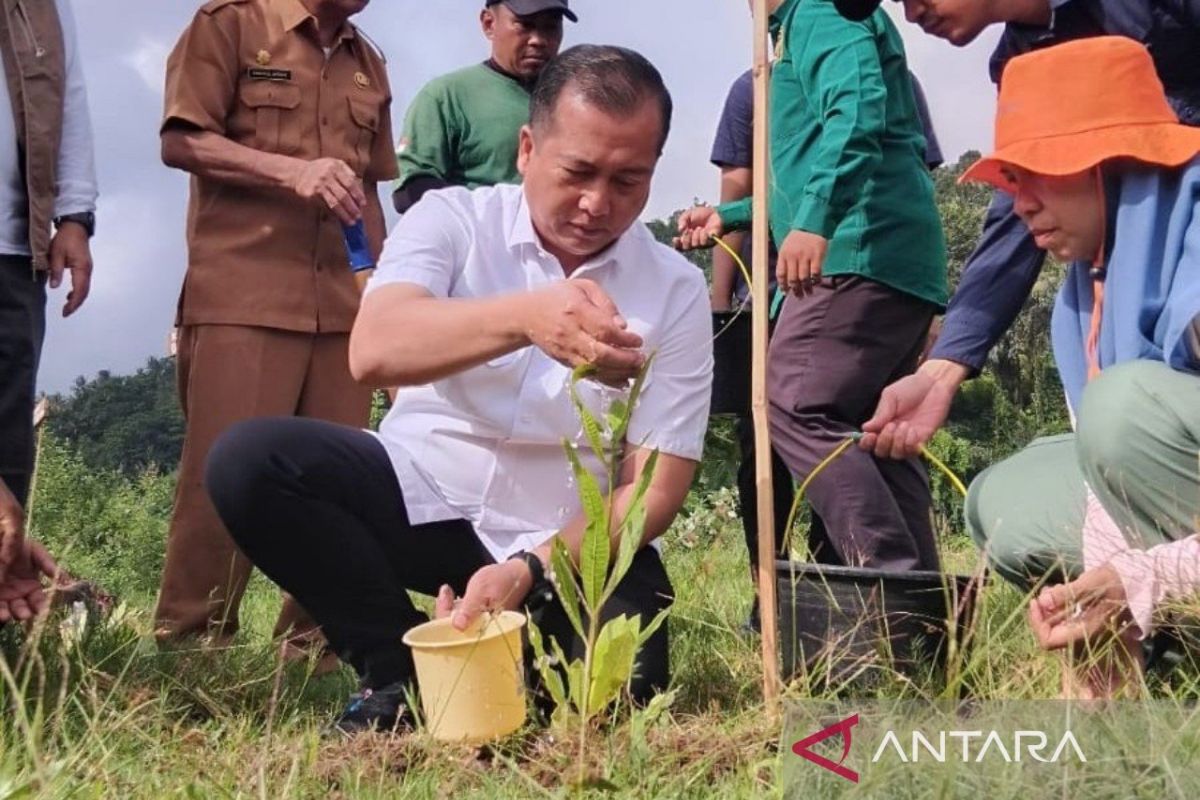
Mataram — The recent rainy season has presented a different picture in several areas of West Nusa Tenggara (NTB).
Small rivers, which used to be calm, suddenly turned into raging torrents. Mud flowed into settlements, roads were damaged, and some areas experienced flash floods that had previously been rare. This phenomenon serves as a reminder that the ecological balance of the island province is under significant pressure.
In recent months, several areas in NTB have experienced hydrometeorological disasters that are increasingly frequent. Flash floods, landslides, and infrastructure damage have become more common. These conditions cannot be divorced from changes in land cover that have occurred over the years.
Forests that once served as natural bulwarks are gradually diminishing due to land-use changes, opening of farms, and economic activities that do not always account for environmental carrying capacity.
When vegetation disappears, the soil loses its ability to retain water. Rain that should infiltrate into the ground becomes surface runoff that carries mud, rocks, and other debris to downstream areas.
In this context, the tree-planting movement has become an important discourse. Local governments, communities, higher education institutions, and the private sector are reviving the spirit of greening.
The NTB provincial government has even prepared hundreds of saplings to be distributed to the public for planting in their local surroundings.
The movement is, in fact, not merely a symbol of environmental concern. It represents an awareness that planting trees is the most fundamental step to restore disrupted ecosystems.
Trees work like invisible natural infrastructure. Roots hold the soil, trunks store carbon, and leaves help maintain the balance of the water cycle.
That awareness is gradually re-emerging across various areas in NTB.
In Central Lombok, for example, hundreds of tree saplings were planted in the forest area of Desa Tumpak as part of an effort to reinforce land cover while safeguarding groundwater supplies. The species chosen include not only hardwood trees but also fruit trees that can provide economic benefits to residents.
Meanwhile in Sumbawa, river basin rehabilitation is being carried out through planting tens of thousands of trees in limited-production forest areas. The programme is aimed at improving ecological conditions in catchment areas while strengthening the productivity of surrounding agricultural land.
In East Lombok, greening activities have even targeted the Sembalun mountain tourist area, which has long been one of NTB’s most famous natural destinations.
Tree planting on the hillsides aims to restore the ecological function of the buffer zones to reduce landslide risk and safeguard water sources for local communities.
This phenomenon shows that the tree-planting movement in NTB is no longer merely a symbolic campaign. It is becoming a collective realisation that protecting the environment is a long-term investment in the region’s sustainability.