
When TPS Is No Longer Just a Rubbish Depot: What Happens in Surabaya
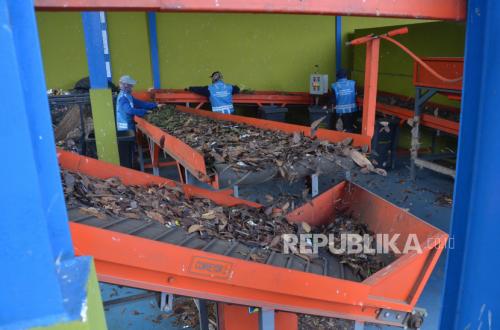
REPUBLIKA.CO.ID, JAKARTA – Mornings in the corners of Surabaya City do not always begin with fresh light. At several points, they are first coloured by smells lingering in the air, piles overflowing their limits, and spaces slowly losing their function.
Temporary waste collection points, which should only serve as brief stopovers for rubbish, have instead become knots in larger problems, as if the city is speaking about itself, about how it organises, manages, and understands its citizens.
In those cramped spaces, the city’s rhythm meets a reality that is not always orderly. Carts stop longer than they should, sorting activities take place in intervals that ought to be brief, and flows designed to move quickly instead slow down. Rubbish is no longer merely in transit but settles, accumulates, and overflows, presenting another face of urban life often overlooked.
In such a landscape, Mayor of Surabaya Eri Cahyadi’s policy prohibiting the parking of waste carts at TPS emerges as an effort to restore the function of these spaces. This step appears simple but actually touches on deeper issues, concerning system discipline, space governance, and the intersection between the city’s interests and the pulse of informal economic activity growing within it.
With waste production reaching around 1,600 tonnes per day, the pressure on the management system is unavoidable. TPS, which should only be stopover points, slowly change function, bearing a burden not designed for them. When carts park, space shrinks. When sorting occurs in the same location, waste dwell time lengthens. And when schedules lack discipline, flows become congested.
Yet, a city does not stand on technical logic alone. Behind those piles lies an invisible economic pulse. The recent rise in plastic prices, for example, has changed perspectives on waste. What was once considered refuse now becomes a source of livelihood. Bottles, packaging, and plastics transform into commodities that are contested.
Here, the paradox of the modern city takes shape. High consumption produces abundant waste, and that waste in turn supports the lives of certain vulnerable groups. TPS is no longer just a disposal site but also an economic space, where people search, sort, and survive amid the remnants left by the city.
The consequences are not simple. Sorting activities in the same space as collection processes make the system fragile. Space becomes even tighter, transport is disrupted, and sorted waste often scatters, worsening cleanliness conditions. In such situations, enforcement becomes an unavoidable step, though never entirely free from dilemmas.
The city government is attempting to address this through a series of policies, from prohibiting cart parking at TPS, regulating residents’ disposal schedules, to cracking down on private trucks and businesses that dump waste indiscriminately. There are clear efforts to shift patterns from reactive to a more planned and disciplined system.