
When the Supreme Commander is Considered More Dangerous than the Enemy
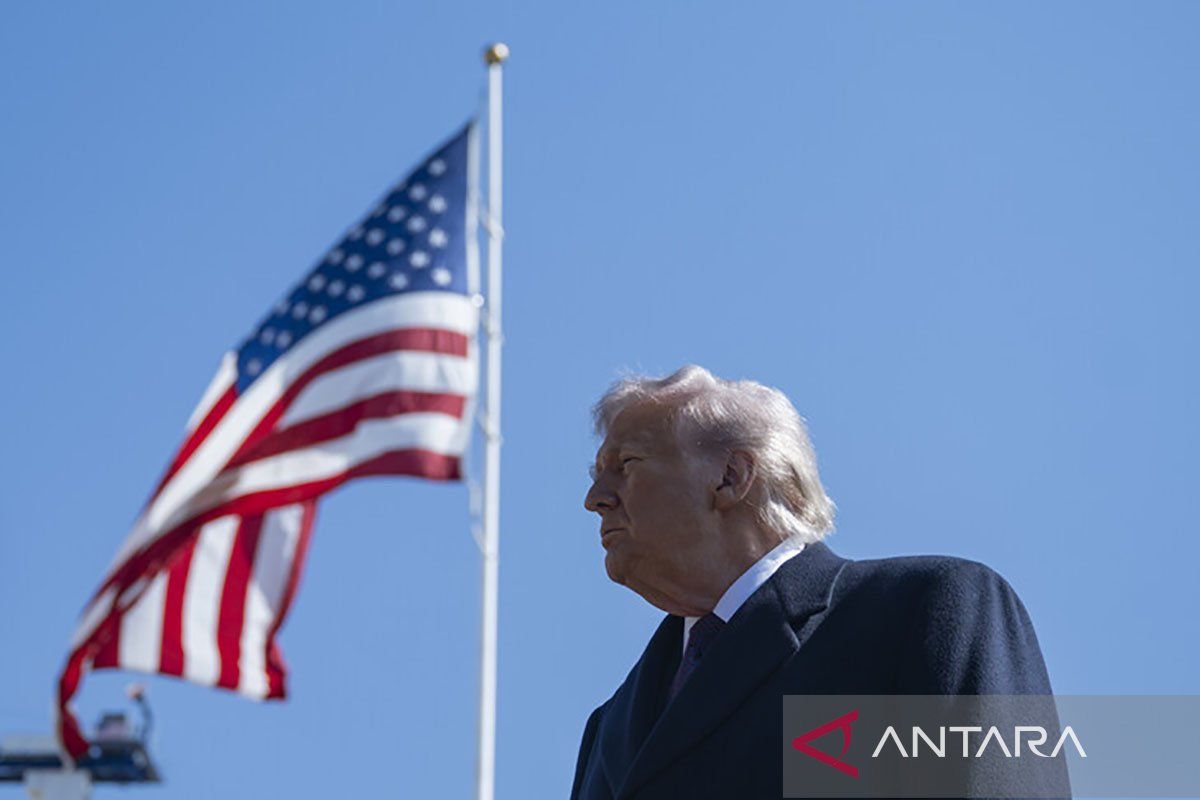
In any military doctrine around the world, the supreme commander is the heart of war strategy and the final knot in the chain of command, where every final decision is made.
However, reports circulating in mid-April 2026 regarding the Iran vs United States conflict reversed that logic: President Donald Trump was actually “sidelined” from the White House Situation Room by his own military staff.
Not because of a coup. Not because of treason. But because his generals assessed that his presence would disrupt operations.
As someone who has served in the field and at the UN diplomatic table, I cannot help but feel concerned. This is not about tactical differences of opinion. This is a very deep crisis of trust between civilian and military elements in the midst of open war.
More dangerous than the enemy
On 19 April 2026, The Wall Street Journal reported that US military aides deliberately kept President Trump away from the Situation Room during the rescue operation for the pilot of an F-15 aircraft shot down by Iran three days earlier. The reason was classic, but horrifying: “his impatience would not help.”
This claim does not stand alone. France 24 and CNN, in separate reports on 20 April 2026, confirmed that US military officials were worried that the President’s changeable behaviour and outbursts of anger would endanger the rescue mission. Those sources even mentioned that Trump shouted at his staff “for hours.”
In the polite language of the military, the action of keeping the commander away from the command room means: “Our commander has become an operational risk.”
Imagine this contradiction: A supreme commander should be a force multiplier, an amplifier of strength. Yet in this case, the US President is considered a liability, a burden that endangers the lives of his own soldiers.
I have served in conflict zones. I know the weight of the pressure. However, when field officers prefer to cut off the commander’s access rather than save the mission, it is a sign that the command structure has rotted from the top.