
When the Strait of Hormuz heats up, the world prepares to conserve energy
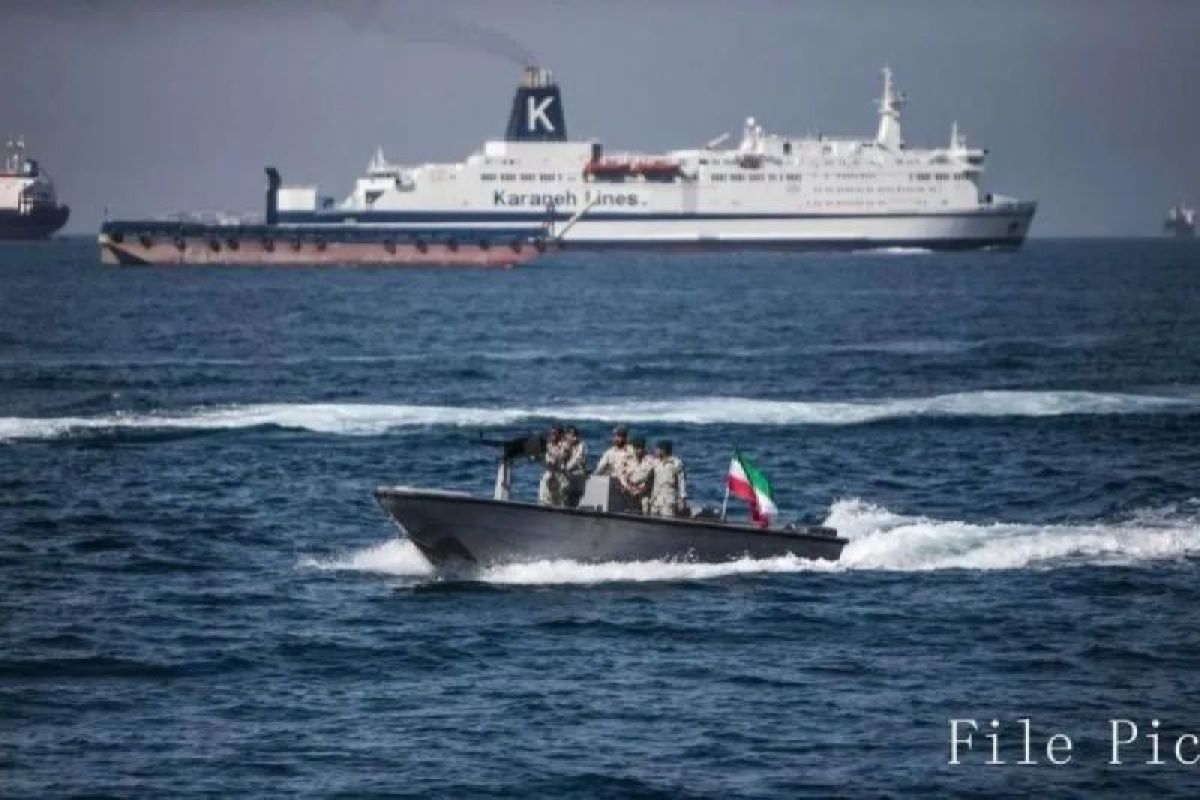
The Strait of Hormuz has once again come under the world’s scrutiny.
The sea route in the Gulf region is not particularly wide. It stretches approximately 150 kilometres in length. At its narrowest point, it measures only around 33 kilometres across. The shipping lanes for tanker vessels are even narrower, only about three kilometres in each direction.
Yet from this narrow passage flows one of the world’s vital energy arteries.
The strait, situated between Iran and Oman, connects the Persian Gulf with the Gulf of Oman and the Arabian Sea. Every day, tanker ships transport oil from the Gulf region to global markets.
When this route is disrupted, the impact can be felt far beyond the Middle East.
The latest tensions emerged following military strikes by the United States and Israel against Iran on 28 February 2026. These strikes triggered a new escalation in the region and heightened concerns about the security of the world’s energy corridor.
Shortly thereafter, Iran issued a stern warning to vessels transiting the Strait of Hormuz.
This situation prompted shipping companies and tanker operators to reassess the risks of transporting oil from the Gulf region. Some vessels chose to delay their journeys. Others waited in waters near the Persian Gulf while monitoring the developing situation.
Some time later, Iran offered clarification.
The Iranian government affirmed that the Strait of Hormuz remains open to international navigation. Restrictions, according to them, apply only to vessels belonging to the United States, Israel, and their allies.
Nevertheless, uncertainty continues to shroud the world’s most critical energy corridor.
The global energy market responded swiftly. Crude oil prices briefly exceeded 100 US dollars per barrel amid fears that the Middle East conflict could disrupt the world’s primary energy supply route.
The Strait of Hormuz is no ordinary shipping lane. It serves as the primary exit point for oil from energy-producing nations in the Gulf region such as Saudi Arabia, Iraq, Kuwait, Qatar, Iran, and the United Arab Emirates.
Approximately 17 to 20 million barrels of oil per day pass through this strait. This figure represents roughly one-fifth of global oil trade.
Beyond crude oil, the majority of liquefied natural gas from the Gulf region is also shipped via the same route.
Because of this strategic importance, the Strait of Hormuz is often referred to as the world’s energy “chokepoint.”
Even minor disruptions on this route can trigger cascading reactions in global markets. Oil prices surge. Transportation costs rise. Inflationary pressures are felt across various countries.