
When the Sea Becomes the Future
The blue economy should serve as a new tool for equitable distribution. Community-based marine tourism, small-scale seafood processing industries, seaweed cultivation, and mangrove conservation can create new economic centres in coastal areas.
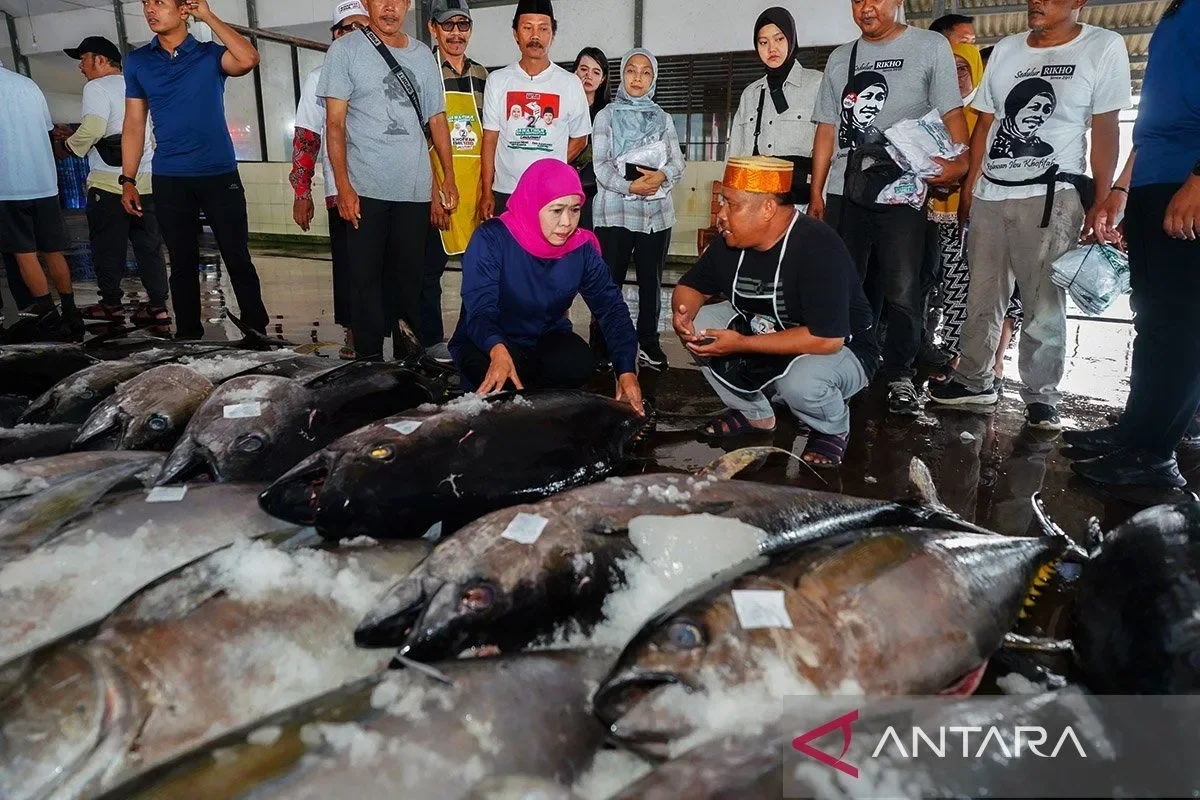
Surabaya (ANTARA) - Mornings on the Brondong coast in Lamongan, East Java, always begin earlier than in the city. While most people are just opening their eyes, fishermen’s boats are already returning from the sea laden with tuna, squid, and hopes that depend on the weather.
In places like these, the sea is not merely a expanse of salty water. The sea is the kitchen, the children’s school, the cost of living, and the future of a region.
East Java has long thrived on the pulse of the maritime economy. The province boasts a coastline exceeding 3,500 kilometres, hundreds of thousands of fishermen, major ports, fish processing industries, shipyards, and trade routes connecting eastern Indonesia.
However, for years, the sea has often been viewed merely as a source of exploitation. Fish are caught in as large quantities as possible, coastlines are developed without control, while mangrove and coral reef ecosystems slowly diminish.
Now, the term blue economy is increasingly heard in government policies. East Java Governor Khofifah Indar Parawansa describes the blue economy as one of the keys to making East Java the New Archipelago Gateway.
The central government is also promoting a similar agenda through the development of fishing villages, marine conservation, and strengthening sustainable fisheries industries.
Yet the question remains: will the blue economy truly become a new path for East Java’s development, or merely a new slogan that sounds appealing in seminar rooms?
There is a great irony in Indonesia’s development, including in East Java. This archipelago nation has for too long built with a landward orientation. Cities grow upwards, toll roads stretch long, industrial zones expand, but many coastal villages remain left behind.
In fact, East Java’s marine economic potential is enormous. Data from the East Java Provincial Government shows that marine processed production reaches more than one million tonnes per year, with hundreds of thousands of tonnes exported to various countries. This sector supports a long economic chain, from fishermen, fish processors, cooling industries, logistics, to export trade.
The problem is that maritime economic growth often does not align with the welfare of coastal communities. Many fishermen still live in uncertainty. When bad seasons arrive, incomes drop drastically. Fish prices also often fall because long distribution chains mean profits are more enjoyed by middlemen and large industries.
In many northern coastal areas of East Java, abrasion poses a serious threat. Mangroves are damaged, plastic waste increases, and ecosystem quality declines. The sea is forced to produce more, but its ability to recover is often ignored.