
When the Pulpit Speaks to the Wounded
REPUBLIKA.CO.ID, JAKARTA — The sea breeze still felt chilly as thousands of feet made their way toward the At Taqarrub Mosque in Pidie Jaya, Aceh, on Friday 6 March 2026. Outside, the scars of the flash flood had not yet fully faded from memory, evident on the walls of houses, on streets still bearing mud deposits, and on the faces of residents arriving to pray with sadness that had not yet been resolved. Yet inside the mosque, the atmosphere changed. There was a calm sought, there was hope to be safeguarded.
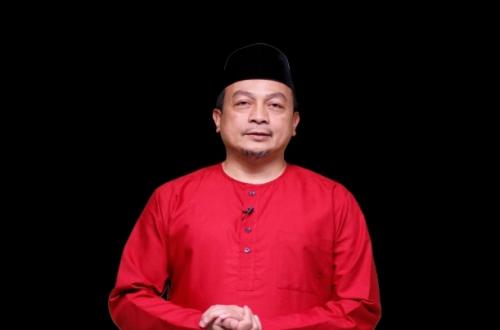
That day, the pulpit was occupied by Ustaz Bachtiar Nasir, commonly known as UBN, Leader of the Perkumpulan AQL and General Chairman of the DPP Jalinan Alumni Timur Tengah Indonesia (JATTI). His visit to Aceh was not merely a routine trip. He came as part of a preaching safari while also distributing aid to flood survivors still grappling with the disaster’s aftermath. And the Friday sermon, before a congregation some of whom were victims, became a moment that transcended the weekly ritual.
UBN opened his sermon with a reaffirmation that is not new, but always felt urgent to repeat: Ramadan is the month of taqwa, not merely the month of fasting.
“Ramadan is the month whose primary purpose is taqwa to Allah. It would be a loss if in Ramadan our taqwa does not grow and bear fruit,” he said, his voice sounding like a warning as well as an invitation.
He reminded the words of the Prophet Muhammad, that there are people who fast yet gain nothing but hunger and thirst. A stark, yet honest portrayal: fasting that is not accompanied by changes in attitude and an improvement in acts of worship is fasting that loses its soul.
To explain the process of forming taqwa, UBN chose a metaphor close to daily life in Aceh: agriculture. He described the human soul as a paddy field buried by flood mud: hard, dense, and unproductive. To produce again, the land must be dug over, cultivated, and irrigated with patience and diligence.
Ramadan, he said, is the season of that cultivation.
He then cited Allah’s words in Surah Al-Baqarah: “Ya ayyuhalladzina amanu kutiba ’alaikumus shiyam kama kutiba ’alalladzina min qablikum la’allakum tattaqun”; fasting is obligatory for the faithful so that they become people of taqwa. The daytime fast and the night prayers, performed repeatedly for a full month, according to UBN, are a form of divine education, a spiritual training that, if undertaken sincerely, will form good habits that endure far beyond Ramadan itself.
From taqwa, UBN led the congregation toward the supreme exemplar: Rasulullah SAW. He reminded that the Prophet Muhammad is known as the most generous of people, and that generosity reaches its peak during Ramadan, especially after he engaged in Qur’an recitation with the Angel Gabriel.
“The generosity of the Prophet during Ramadan is described as a wind that blows softly, quickly, and reaches all beings,” said UBN.