
When the Palace Attempts to Provide Housing and Co-opt "Homeless Media"
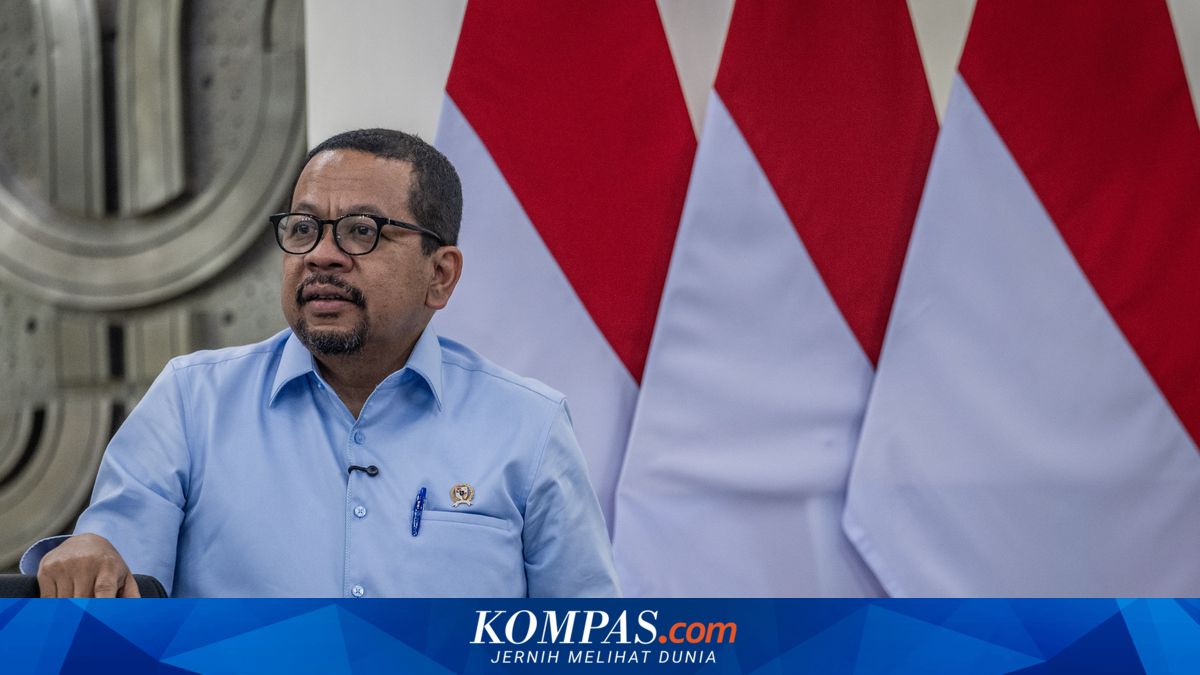
The fifth cabinet reshuffle in April 2026 was accompanied by the birth of a far more offensive power communication architecture. The appointment of Muhammad Qodari as Head of the Government Communication Agency (Bakom RI), replacing the old structure, marks a paradigm shift from a defensive-normative pattern to an aggressive-penetrative one. Under the control of this figure, who has long been involved in the arena of surveys and opinion winning, the Palace now not only wants to speak but also to dominate every inch of public conversation space through a doctrine that is quite intimidating: “Your words against my words”. This strategy reflects the state’s ambition to conduct total narrative orchestration. And the most striking aspect can be seen from the Palace’s latest efforts in partnering with what is called “homeless media” or homeless media. It must be acknowledged that not many have spoken about this type of new media until now. Thus, the “homeless media” phenomenon suddenly became the centre of attention when Bakom RI attempted to co-opt digital entities that have been agilely operating on social media platforms such as Instagram, TikTok, and YouTube. The term “homeless media” itself actually carries a paternalistic semantic burden. Referring to “homeless” media that do not have independent websites or conventional editorial infrastructure, even traditional ones, shows the state’s perspective that is still trapped in old-style authority definitions. There is an impression that these new media are seen as subjects that are not yet “established” or “abandoned” and thus need to be given a home or accommodated within the state bureaucracy structure. In fact, the main strength of these new media lies in their autonomy and lack of formal ties, which enable them to reach niche audiences who have long left mainstream mass media. With a total following estimated to reach hundreds of millions and view volumes reaching billions every month, “homeless media” is a communication infrastructure that is far more efficient than any official news agency. In the view of those in power, if these channels can be orchestrated, then national strategic programmes, from downstreaming, MBG, Merah Putih Cooperative, to infrastructure development, can be injected directly into the audience’s veins without going through the critical filter of professional journalism. However, this is also where the fundamental problem lies, as the state is trying to “bypass” the democratic oversight mechanisms usually carried out by conventional press. Inevitably, the efforts to partner with these social media actors immediately triggered public uproar that somewhat tickled the government’s own authority. Through the Indonesia New Media Forum (INMF), Bakom RI claims to have forged partnerships with dozens of major accounts. However, that one-sided claim was soon questioned by many parties when digital entities such as Narasi, Folkative, Ngomongin Uang, and Bapak2id openly expressed objections and denials of that unilateral claim.