
When the city learns to listen to its children
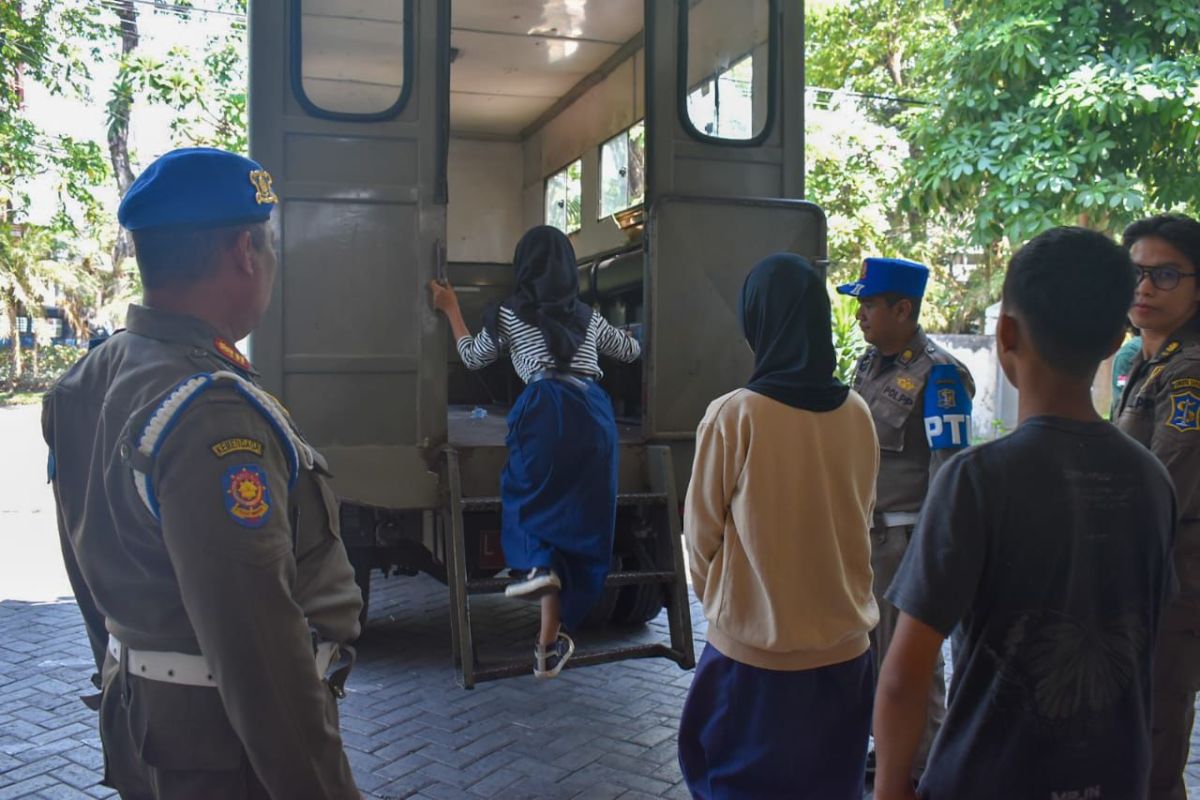
In a corner of the city that never truly sleeps, a group of teenagers sits in front of a simple coffee stall. Their laughter erupts occasionally, mingling with the ceaseless sound of passing vehicles. On the surface, it is merely a snapshot of urban youth daily life. Yet beneath it lies a far more complex layer of issues, namely the search for identity, social pressures, and clashes between freedom and boundaries. Surabaya, as Indonesia’s second-largest metropolitan city, has not only grown in infrastructure but also in the social dynamics of its younger generation. Juvenile delinquency remains a recurring issue, from brawls and alcohol abuse to involvement in motorbike gangs. However, in recent years, the approach to handling it has begun to change: more systematic, more humane, and more integrated. Data from the Surabaya City Government via the Women’s Empowerment and Child Protection Agency, as well as Population Control and Family Planning, shows a significant downward trend. From over 450 cases handled in the previous year, the number has dropped dramatically to under 100 cases this year. A change that did not happen by chance. The most striking change in the strategy for handling juvenile delinquency in Surabaya is the paradigm shift from mere enforcement to continuous rehabilitation. Previously, children caught in violations only underwent brief counselling before being sent home; now the approach is much deeper. Those involved in risky behaviours such as alcohol consumption, brawls, or motorbike gangs are placed in safe houses to undergo intensive rehabilitation for 7 to 14 days. In that rehabilitation space, the approach is no longer purely punitive. There is education on the impacts of criminality, the dangers of drugs, character strengthening, and national insight. Even, the children are still facilitated to continue their education through online learning schemes. This model shows one important thing: juvenile delinquency is not viewed merely as a deviation to be punished, but as a social symptom whose root causes need to be understood. However, this approach also demands greater seriousness. Without continuity after rehabilitation, the risk of teenagers returning to their old environments remains high. This is where policy challenges become apparent: how to ensure that change does not stop in the rehabilitation space. Prevention