
When the city becomes a space for healing
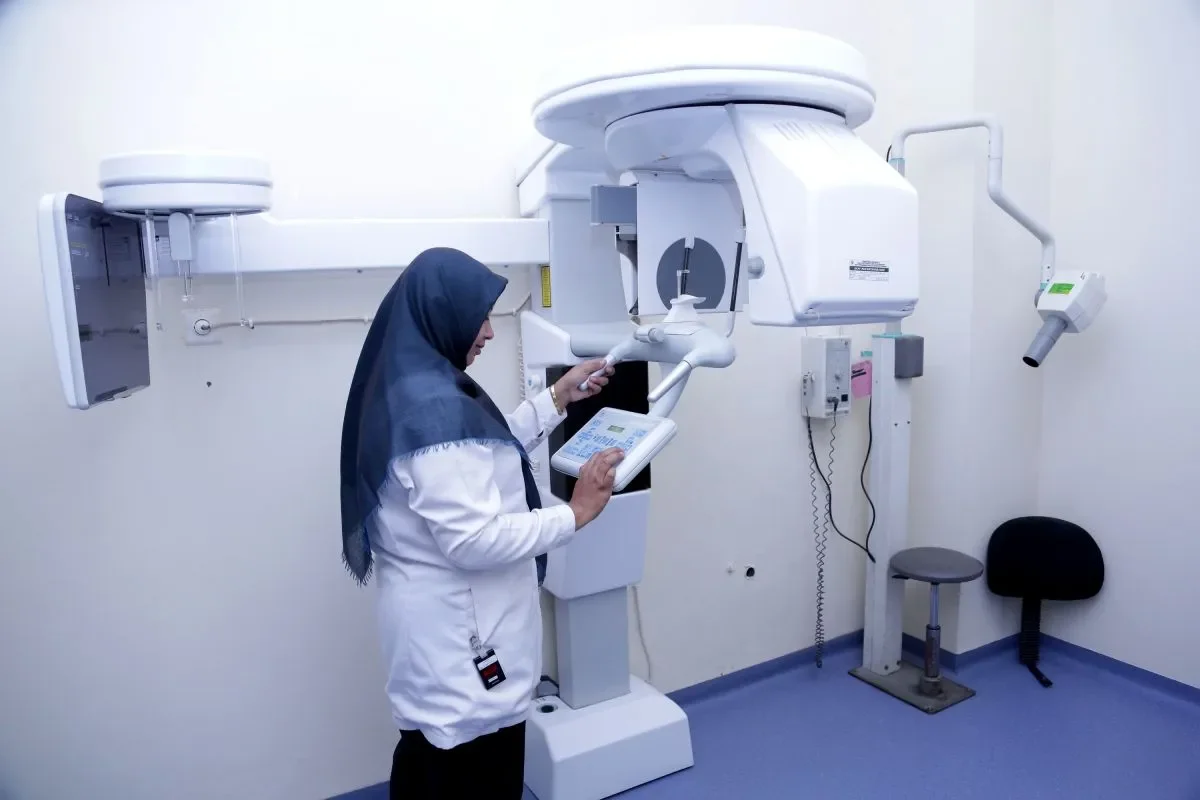
The morning event at the Surabaya City Hall courtyard was more than just a ceremony. Amid the celebrations marking the 733rd anniversary of Surabaya’s founding, a new direction for the city was affirmed: it is no longer positioning itself solely as a centre for trade and services, but also as a node for world-class healthcare services through an integrated Medical Tourism programme. Behind the technocratic-sounding term lies a simple yet ambitious idea: making the process of seeking treatment no longer standalone, but integrated into a complete journey. From patient arrivals at the airport, special ambulance services, hospital handling, to family accommodation and tourism access, all are woven into a single service system. Surabaya currently relies on at least eight hospitals that have obtained Medical Tourism certification from the Ministry of Health: Surabaya City Hospital Dr Soetomo, Surabaya City Hospital Dr Soewandhi, Airlangga University Hospital, Husada Utama Hospital, Siloam Surabaya Hospital, Ubaya Hospital, St Vincentius a Paulo Catholic Hospital, and Premier Surabaya Hospital. Each brings different specialisations, ranging from cardiology, maternal and child health, to advanced therapy services. However, what is intriguing is not just the number of facilities, but the way the city is attempting to bind them all into one ecosystem. The city government is partnering with travel agencies, hospitals, and the hospitality sector so that patients no longer switch between separate services, but enter a unified service pathway from the start. In this design, patients from out of town or even abroad can choose service packages, complete with cost estimates, medical facilities, and companion needs. This concept marks an important shift that health is no longer just a social sector, but also part of the service industry integrated with tourism and the local economy. Surabaya is not starting from scratch. For several years, the idea of medical tourism has been developed through cross-sector collaborations, including universities, hospital associations, and travel industry players. But it is only in this phase that the concept is affirmed as a city programme with more measurable targets and a more operational system. Competitiveness