
When Rubbish Spills onto the Streets, Jakarta Residents Live in the Shadow of Disease
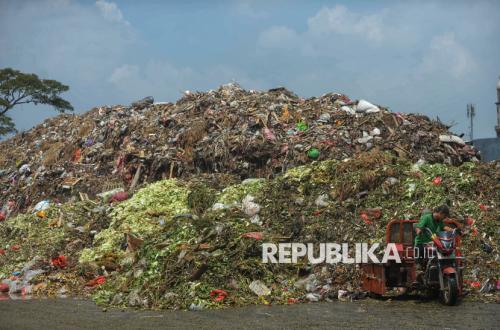
Mornings in Pulogebang are no longer just about thickening traffic or the roar of motorbikes racing against time. A smell arrives first, creeping in slowly, then lingering in the air. A smell that cannot be ignored. A smell that makes people reflexively cover their noses, even before they fully realise it.
On the roadside, piles of rubbish tower high. They overflow from the spaces meant to contain them, then spread to the verges, as if wanting to join in the lives of the residents. Flies buzz around, rats occasionally appear, and concern slowly grows into real anxiety.
Jayadi, a local resident, stares at the piles with a tone that is no longer just complaining, but almost resigned. For him, rubbish is not just about dirt or smell, but an invisible threat. Diseases, from dengue fever to diarrhoea, feel like shadows that could become reality at any moment.
Similar complaints come from those just passing through. Sunaryo, a motorcyclist, admits that every time he passes that road, he has to hold his breath. The smell that penetrates his mask makes a short journey feel longer than usual.
However, the story of rubbish in this city does not stop at one point. It is connected to something bigger, a system that is exhausted. Restrictions at the Bantargebang Integrated Waste Processing Site have caused the flow of waste to stall. Collection trucks arrive less frequently, and the piles become an inevitable consequence.
Behind all this, Jakarta is actually facing a figure that is hard to ignore: more than 7,000 tonnes of rubbish produced every day. A figure that, if imagined, is not just a statistic, but a mountain that keeps growing, day by day.
Dependence on Bantargebang now feels like a dead end that everyone is slowly realising. The DKI Jakarta DPRD has begun formulating new steps through the formation of a special committee for waste management. The hope is simple, but heavy: to create a system that no longer relies on a single endpoint.
In meeting rooms far from the pungent smell, discussions about reducing waste at source, increasing recycling, and building modern facilities are being drafted. An effort to change how the city treats its rubbish, from simply disposing of it to managing it.