
When Queuing Can Be Paid For: Efficiency is Changing Urban Residents' Way of Life
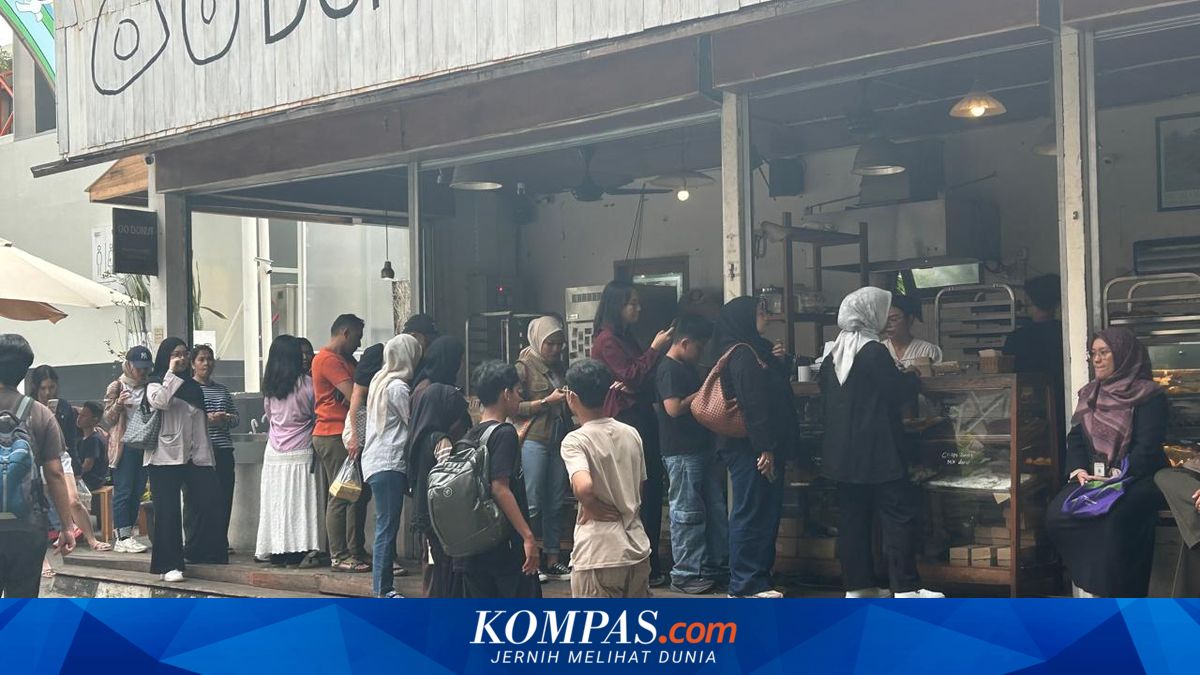
The presence of queuing proxies in urban society not only offers convenience in accessing various services but also introduces a new perspective on time, queues, and efficiency. This service has arisen alongside changes in societal needs and habits for accessing both public and everyday consumption services. Sociologist Rakhmat from Universitas Negeri Jakarta views the emergence of queuing services as closely related to the suboptimal state of public services in Indonesia. He sees long queues not merely as a technical issue but as part of a system that does not operate efficiently. “That’s what makes queuing services appear, in my opinion, because the bureaucracy system, service system, or public service management is poor, leading to long, convoluted, hours-long queues that aren’t simple,” said Rakhmat to Kompas.com on Wednesday (1/4/2026). In his observation, differences in service quality are evident when compared to experiences in other countries. He believes that a more orderly and efficient service system can significantly minimise queues. “For example, I need an appointment a week or two in advance. But when I arrive, say on 10 April at 10:30, I wait maybe 10 or 15 minutes, and then my card is done. My documents are finished,” he explained. Furthermore, he sees the emergence of queuing services as related to changing perspectives on time in modern society. Time is no longer just utilised but treated as something with economic value. “People need time; people struggle with time. Because mobility is fast-paced, in the context of Indonesia’s notorious poor bureaucracy, time becomes a commodity,” he said. On the other hand, the existence of queuing services is also seen as potentially influencing queuing culture in society. He observes that this practice can reinforce the tendency for people to avoid queues directly. “Queuing culture isn’t ingrained yet, so now with this service, people are willing to pay rather than wait for hours,” he said. “So queuing services shouldn’t be seen merely as creativity, but it reflects a problem in our culture. There’s an acute problem in our culture of not wanting to queue,” he added. “But on the other side, this laziness in queuing culture is also supported by poor infrastructure and poor bureaucratic management systems,” he continued. Nevertheless, he acknowledges that queuing services have a positive side as a practical solution that helps society save time. He views the existence of queuing services as creating a paradox between the need for efficiency and the potential weakening of queuing habits in society. Looking ahead, he predicts that queuing services have the potential to develop further, especially among certain economic segments of society.