
When Pancasila is Tested by Time
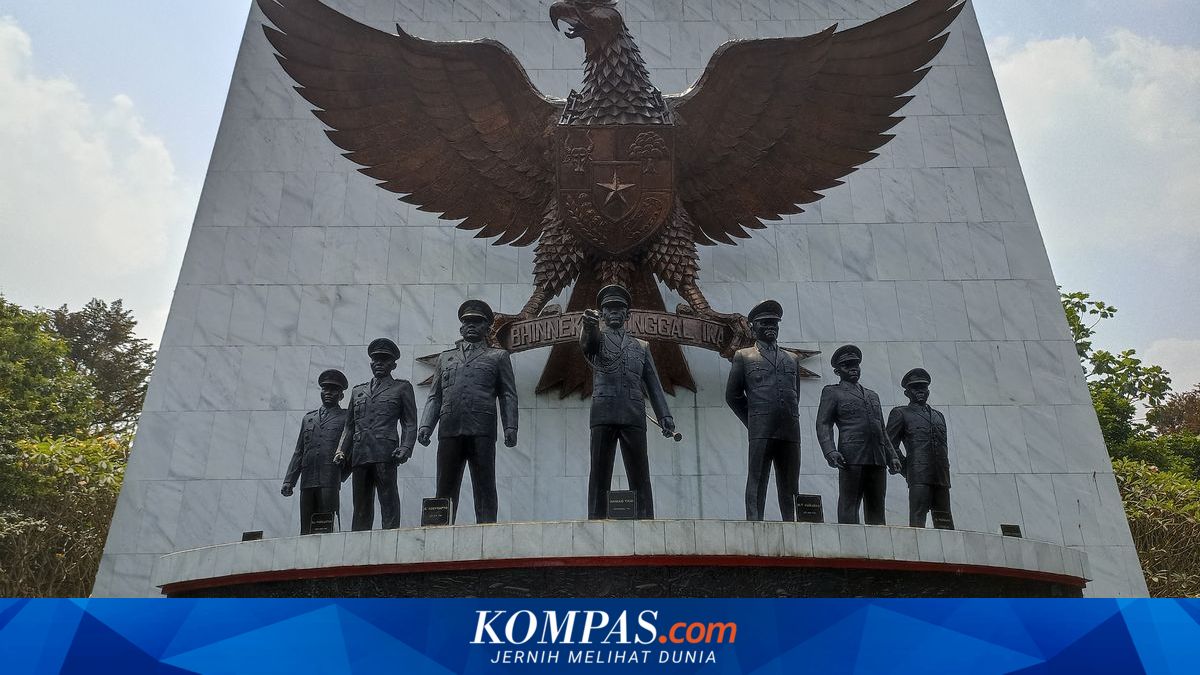
As Indonesia approaches the anniversary of Pancasila’s founding on 1 June, the nation confronts a fundamental question: is Pancasila still a moral compass for national life, or has it gradually become a symbolic formality devoid of critical power amid political dominance? The question grows more pressing as Indonesia’s public sphere is filled with polarisation, political fanaticism, and tendencies to divide society into ‘nationalist’ and ‘Anti-national’ groups. Criticism is often viewed as a threat to the state, while loyalty to power frequently takes precedence over loyalty to democratic principles. In this context, discussions about Pancasila regain their urgency. Rocky Gerung offered a provocative insight: Pancasila, he argues, is not an ideology but a ‘ground norm’ or foundational norm of the Indonesian nation. In Kelsen’s theory, a state exists not solely on political power but on shared foundational norms that underpin the entire legal system. From this perspective, Pancasila should be seen not as a closed, dogmatic ideology but as an ethical and constitutional basis that unites Indonesia’s national life. This view opens crucial space for reflection. If Pancasila is treated as a closed ideology, the state risks monopolising its interpretation. Indonesia’s history has seen this happen. During the New Order under Soeharto, Pancasila was imposed as the sole basis for political and social life. This was reinforced by MPR Resolution No. II/1978 on Guidelines for the Implementation of Pancasila (P4), and later solidified in Law No. 3 of 1985 on Political Parties and Functional Groups and Law No. 8 of 1985 onSocial organisations. In practice, the state positioned itself as the primary interpreter of Pancasila’s values. Criticism of the government was often regarded as an ideological threat, frequently branded as ‘Anti Pancasila’ or ‘Anti-state’. Consequently, Pancasila lost its dialogic nature as a shared ethical space and transformed into a tool for legitimising power.