
When Palm Trees Serve as a Reminder to Prostrate for Disaster Survivors
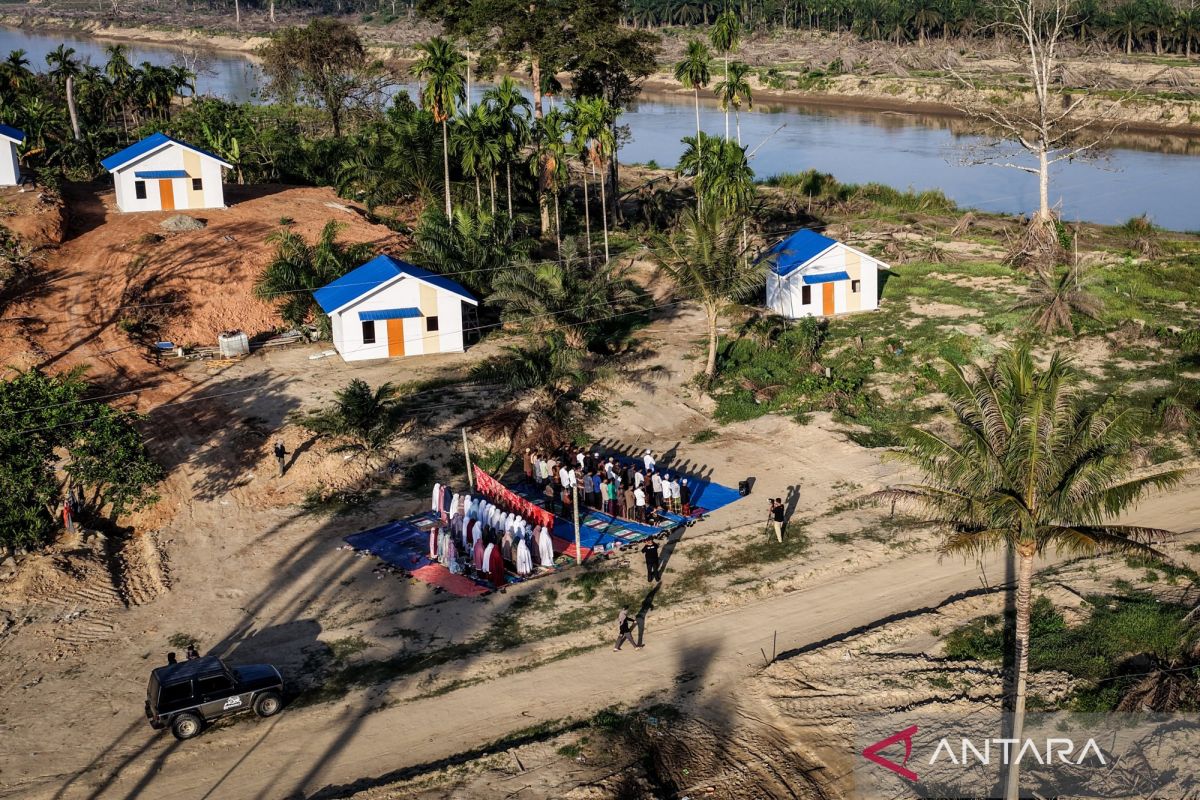
The presence of volunteers brings new spirit for us to rise and overcome all this, including the arrival of friends from ANTARA. East Aceh, Aceh (ANTARA) - The grim Wednesday, 26 November 2025, when a flash flood hit Dusun Rantau Panjang Rubek, Sijudo Village, East Aceh Regency, Aceh, remains firmly etched in Jahidin’s mind. No one expected that the day, which started as usual, would turn into a nightmare for the residents of the small hamlet located on the banks of the Arakundo River. The water came like a tsunami, swiftly devastating the entire hamlet inhabited by 46 households, leaving only one house standing. The cries of fear from women and children during the evacuation still linger in Jahidin’s memory. Although it did not claim lives, the flood razed homes, possessions, and the main source of livelihood for the residents. Jahidin, who also serves as the hamlet head, could not adequately describe in words the sadness of his villagers upon witnessing all the destruction. He knows that recalling the calamity is like reopening an old wound that bleeds again from a thorn prick. However, he does not want to forget it entirely. Jahidin deliberately keeps the facts of this historic event in his memory, not to nurture the wound, but as a life lesson about what the inhabitants of the earth should do towards the Creator of the earth and its contents. “This is a lesson so that we prostrate more to Allah,” he said while pointing to the palm trees whose tops are bent down to the ground, which he interprets as a prostrating posture. The position of those palm trees resembles a person prostrating, by bowing the head until it touches the ground. For Jahidin, prostrating is not merely one of the movements in prayer performed by Muslims, but a form of respect, humility, and obedience of humans to their Creator. “Even the palm trees prostrate because of the flood, which is Allah’s power. We as humans should do more than that,” said Jahidin. Recovery