
When New Money Becomes Part of the Lebaran Tradition
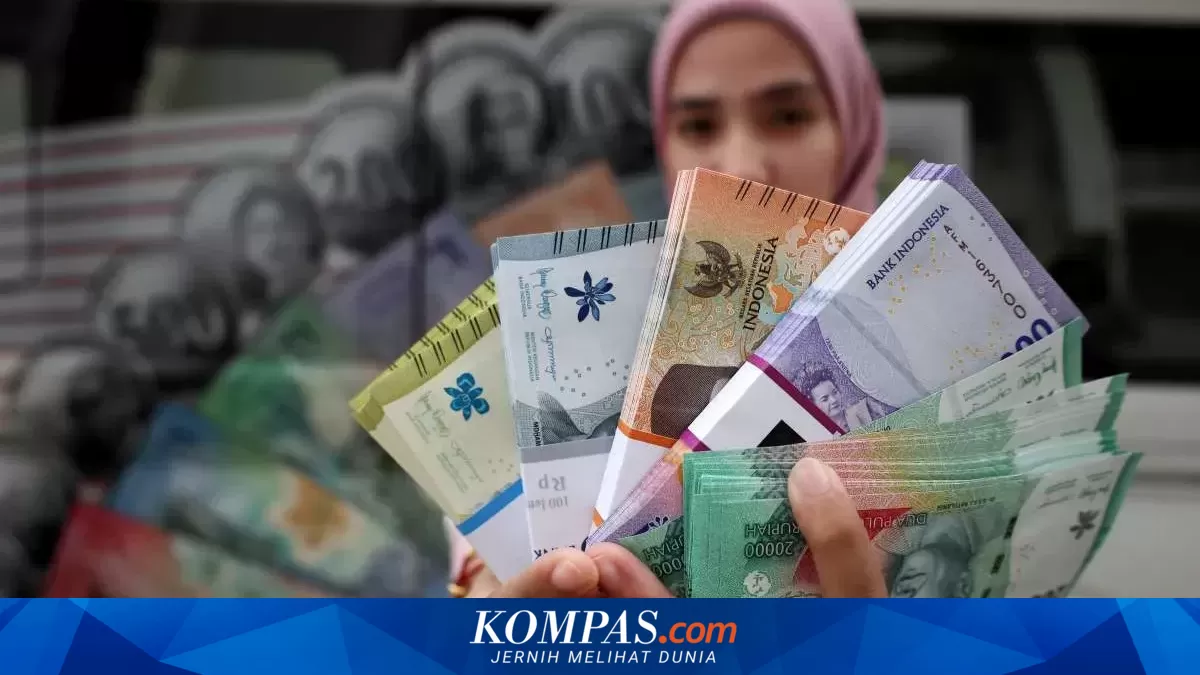
Ahead of Eid al-Fitr, the tradition of sharing money with children, nieces, and relatives close to one another has again become an integral part of the celebration. Small envelopes are being prepared, while many people are on the lookout for new banknotes to fill them. The money is usually distributed during family silaturahmi, visits to relatives’ homes, or when children come to exchange pleasantries and seek forgiveness on Lebaran day. In practice, most people tend to prefer money in pristine condition over old or worn notes. Notes that are crisp and clean are considered more appropriate to give to recipients. This phenomenon suggests that during Lebaran, new money carries a meaning beyond its nominal value. For many people, new money forms part of the tradition of sharing with family and kin, and a simple way to add a sense of specialness to the moment of silaturahmi. A sociologist from Universitas Indonesia, Ricardi Adnan, said that the habit of giving new money at Lebaran is deeply rooted in Indonesian society. According to Ricardi, the habit did not arise spontaneously, but has formed from long-standing social practices that have been handed down from generation to generation. ‘Traditionally, there is a habit of obtaining money or material goods approaching Lebaran. It becomes an obligation that is also accepted, so if it is not present, it will evoke a sense of loss,’ he said when contacted on Thursday (5 March 2026). He said that in many families, giving new money during Lebaran is even one of the moments most awaited by children. The envelopes distributed by parents, uncles, or close relatives become symbols of happiness as well as expressions of care for the younger generation. Ricardi assessed that the tradition is also linked to the moments that occur from every Ramadan through to Lebaran. In this period, people generally receive additional income in the form of a holiday allowance (THR). ‘In that moment it is used as a pretext to obtain extra money, while there are already plans for expenditure with the THR money,’ he said. In other words, the tradition of sharing new money at Lebaran is also influenced by the annual economic cycle that gives people additional funds to share with family and relatives. In Indonesian culture, which emphasises the importance of family ties, sharing sustenance with others is seen as a positive act. Ricardi explained that the tradition is related to the value of giving that has long developed in social life. ‘There is a value of giving or social piety that has been nurtured for a long time,’ he said. Giving new money to children, nieces, or other family members is considered a form of sharing happiness on the festive day. According to Ricardi, the practice is also part of the character of Indonesian society that upholds close family ties.