
When Muslims Are Permitted to Fight: The Etiquette and Boundaries
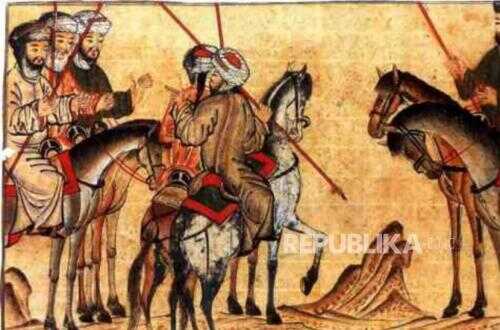
Islamic teachings establish rules about what is permissible and forbidden in wartime. In taking up arms in open conflict, humanitarian values remain a consideration.
For example, the Prophet Muhammad, peace be upon him, forbade Muslim forces from attacking children, women, and the elderly. Likewise, the monks and priests in their places of worship must not be disturbed.
Not only against people; even vegetation is a concern. Muslim forces were forbidden from damaging trees along roads or on the battlefield.
In the book When the Prophet Muhammad Had to Fight, Professor Dr Ali Muhammad ash-Shallabi explains the historical backdrop. Citing the account of Ibn Hisyam, during the time of the Prophet, there occurred 27 wars related to the Muslim community.
Among them, there were nine jihads led directly by the Prophet Muhammad (peace be upon him). These were the Battle of Badr al-Kubra, the Battle of Uhud, the Battle of the Trench (Khandaq), the Battle of Bani Qurayzah, the Battle of Bani Mustaliq, the Battle of Khaybar, the Conquest of Mecca, the Battle of Hunayn, and the Battle of Tabuk.
The triggers of these battles came from outside the Muslims. Indeed, since the advent of the message of Islam, the disbelievers have shown hostility to the teachings of the Prophet Muhammad (peace be upon him). They did not hesitate to harm the Prophet when he lived in his birthplace, Mecca al-Mukarramah.
Then came the permission from Allah the Exalted. The Prophet and the Muslims migrated from Mecca to Medina al-Munawwarah — previously known as Yastrib. In this city, the Prophet consolidated the strength of the Muslim community while continuing to respect the diversity of the local population.
This approach proved highly successful. Indeed, the people of Medina no longer overemphasised pride in their respective tribes (tribalism) as when the Prophet had not yet appeared among them. Now they preferred to merge their identity into that of the Muslims, followers of al-Musthafa, peace be upon him.