
When Maggots Become Heroes: Decomposing 100 Kg of Organic Waste Per Day
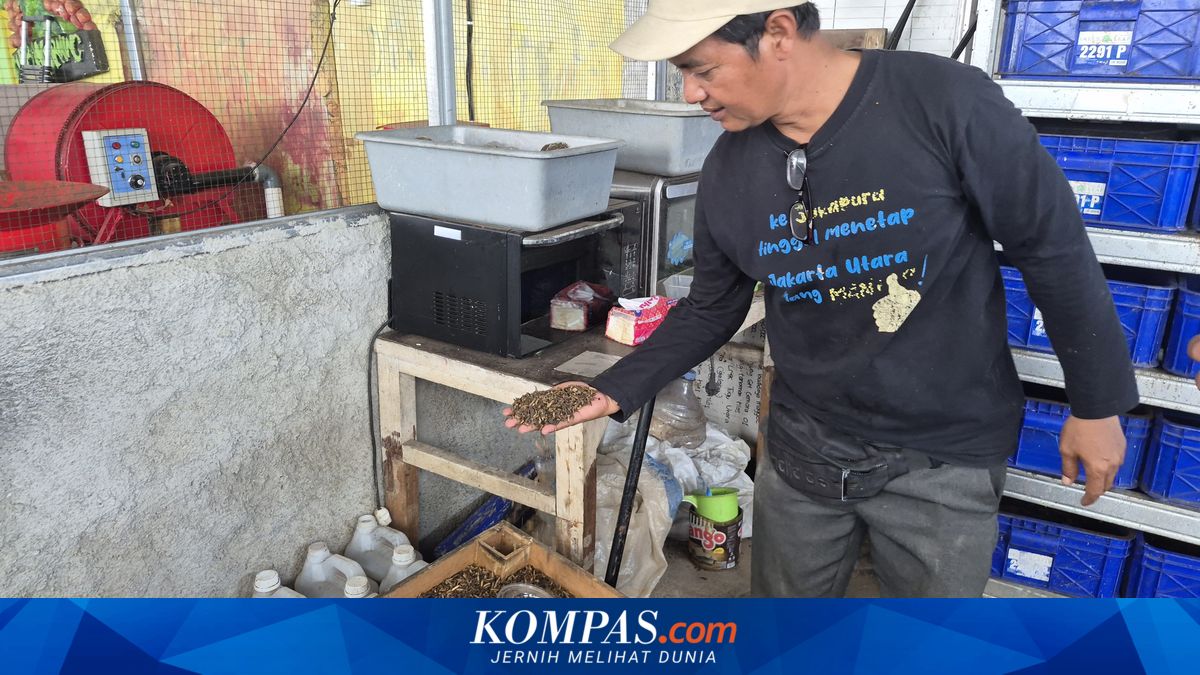
The pungent smell of organic waste that usually permeates the corners of the neighbourhood in RW 01, Tugu Utara, Koja, North Jakarta, is slowly disappearing. Behind this change, hundreds of small larvae named maggots work tirelessly, devouring food scraps, rotten vegetables, and kitchen waste from residents. Through communal maggot cultivation managed at the Cemara Waste Bank in RW 01, residents are now able to reduce approximately 100 kilograms (kg) of organic waste every day. Maggots work by consuming organic waste quickly. By eating organic waste, these creatures become rich in protein and nutrients, making them suitable as feed supplements for chickens, ducks, and others. To be used as livestock feed, maggots are usually dried first using an oven. In addition to using maggots, waste processing at the Cemara Waste Bank also employs machines with a capacity of 500 kg to 1 ton per day. However, a lack of waste stock often poses a challenge for the Cemara Waste Bank in conducting processing and maggot cultivation. Therefore, the Cemara Waste Bank does not only rely on waste from residents’ homes but also from other sectors. “We collect waste from various sources, such as Koja Market, restaurants, schools, and the Nutrition Fulfilment Service Unit (SPPG),” he added. Therefore, Dani hopes that in the future, they can receive waste supplies from many parties so that the processing carried out can be more optimal. “In optimal conditions, maggots can decompose organic waste up to 90 percent of its volume in just 10 to 14 days,” said Jakarta Environmental Agency Public Relations Officer Yogi Ikhwan when contacted by Kompas.com on Wednesday. The maggot method is considered much faster than conventional composting, which can take months. One kilogram of maggots requires about three kilograms of organic waste as feed per day, making the decomposition process highly efficient.