
When Local Ideas Need Patents
Innovation in NTB is actually quite abundant. The challenge is not the creativity of the community, but the system’s ability to turn that creativity into economically valuable assets that are legally protected.
Mataram (ANTARA) - West Nusa Tenggara (NTB) is known as a region rich in ideas, traditions, and natural resources — from textiles rich in cultural meaning to agricultural innovations born from the hands of local farmers and researchers — which actually has high economic value potential.
However, that potential often ends up as a local story, not fully transformed into an economic power legally protected.
In the face of global knowledge- and innovation-based economic competition, patent rights and protection of intellectual property become important instruments.
A region that is able to protect its innovations will have stronger bargaining power. Conversely, a region that neglects protecting the works and discoveries of its citizens risks losing economic value that should be enjoyed by its people themselves.
In this context, the discourse on the importance of patents in NTB becomes increasingly relevant. Patents are not merely a legal or administrative matter; they are part of a regional development strategy.
Many innovation potentials arise in NTB, from the agricultural sector, the creative industry, and appropriate technology. However, not all receive legal protection through patents or other forms of intellectual property rights.
One interesting example comes from the North Lombok Regency. Local farmers developed a superior cocoa variety through cross-breeding that yields larger fruit, high productivity, and disease resistance.
This variety was born from the creativity of farmers who combine local varieties and produce a new type better adapted to environmental conditions.
Such innovations actually have strategic value. They not only increase agricultural productivity, but can also become a regional identity.
Without strong legal protection, the variety could be claimed by others or developed without giving economic benefits to the community that first created it.
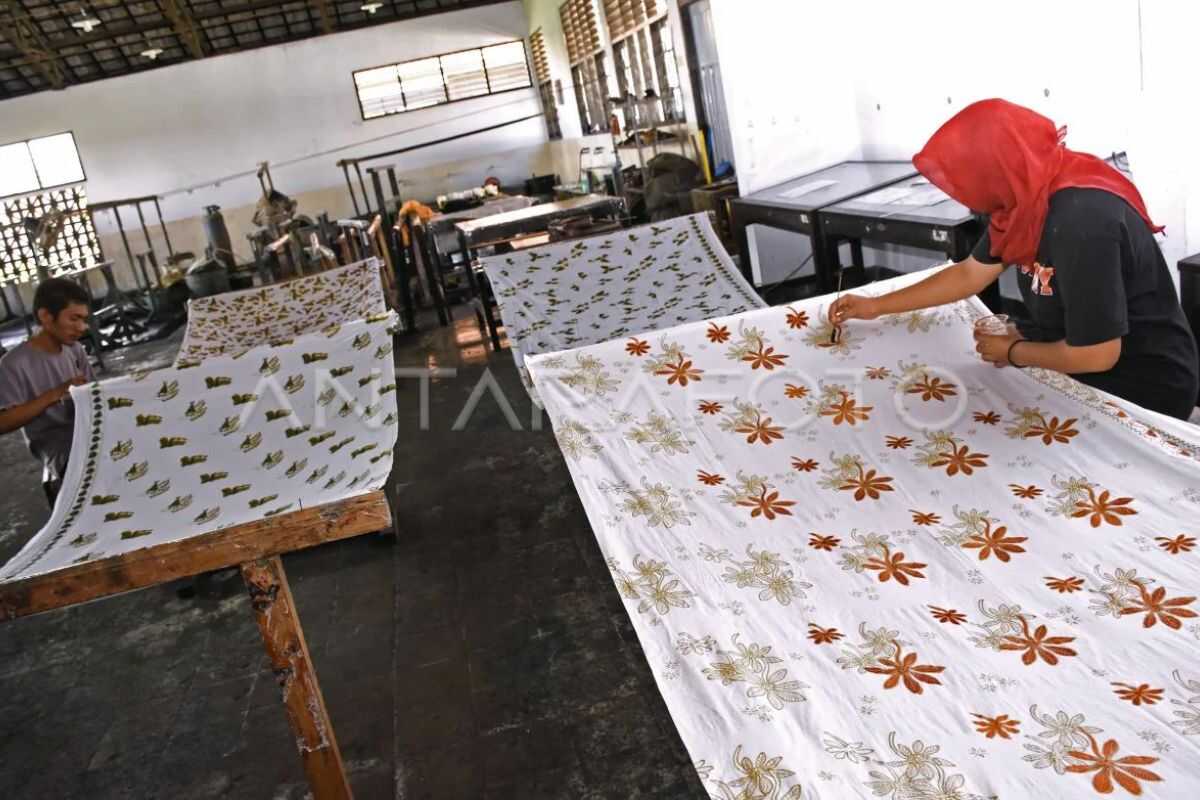
A similar situation is also seen in the crafts sector. The regional government notes that around 200 weaving motifs from various NTB regions are in the process of registering intellectual property rights.