
When Leaders Are Tested to Choose Peace
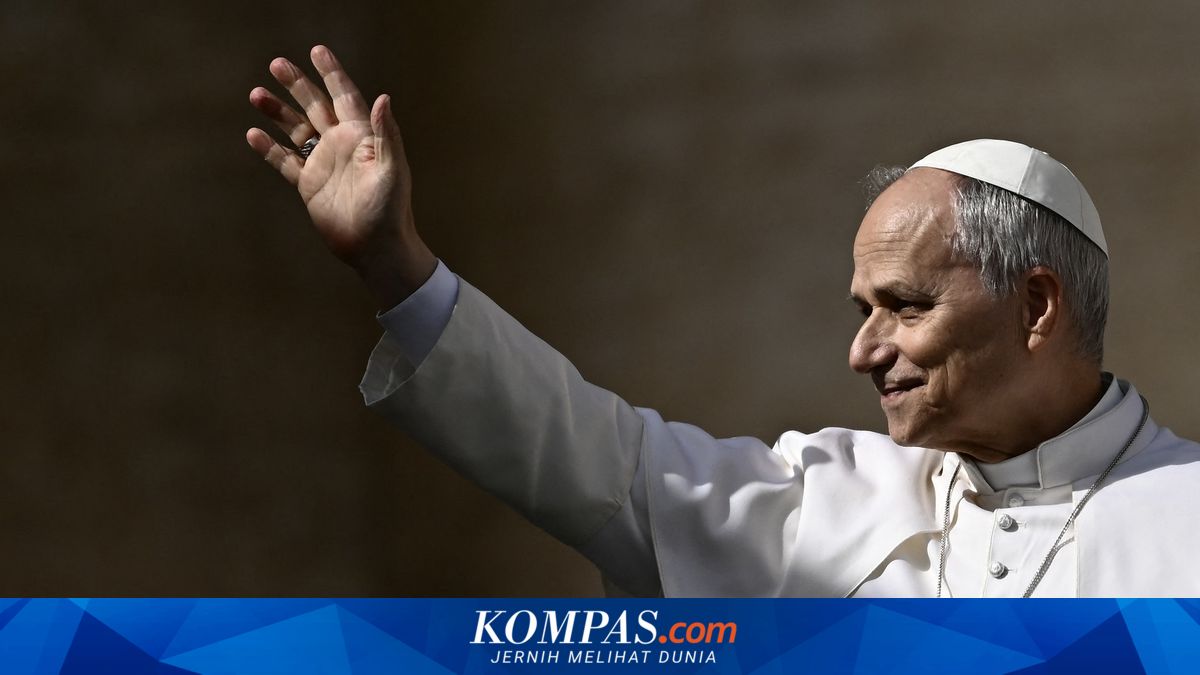
As the world grows increasingly noisy with conflicts and competing interests, a moral voice emerges once again on the global stage. Pope Leo XIV’s call urging world leaders to choose peace is not merely a religious message. Rather, it is an ethical summons that transcends national borders and ideologies. In his Urbi et Orbi blessing during the Easter Sunday celebration at St. Peter’s Basilica in the Vatican in April 2026, he asserted that power without conscience will only lead to destruction. Peace, according to him, is not born from domination, but from sincere dialogue and respect for human dignity. This sacred call feels even more relevant amid escalating global tensions, including those between the United States-Israel and Iran. Indeed, more than just a response to the world’s situation, the message invites us to reconsider the very meaning of leadership itself. In practice, leadership is often measured by assertiveness and the ability to control circumstances. However, this measure falls short when decisions affect the lives of many people. True leadership is revealed in the ability to understand, rather than merely to dominate, and in the willingness to consider long-term impacts, not just immediate results. History provides clear lessons on this. History honestly records which leaders chose the path of humanity, and which became trapped in the ambitions of power. We can see how Nelson Mandela demonstrated that forgiveness can be a great force in building the future. Conversely, the dark experience under Adolf Hitler reminds us that power without empathy can lead to widespread human tragedy. From there, it is evident that a leader’s choices not only determine policy directions but also the fate of humanity on a much larger scale. In the Indonesian context, the issue of leadership holds profound significance. This nation, built on diversity, requires leaders who are not only firm but also capable of embracing differences. The legacy of Bung Karno’s thought teaches that unity is not formed through coercion, but through trust and a willingness to live together in diversity. Amid increasingly complex global dynamics, Indonesia needs leaders who can maintain a balance between national interests and global responsibilities. Choosing peace is not a sign of weakness, but a form of true courage. It demands the ability to exercise restraint, control one’s ego, and open space for dialogue. True leadership never stops at the position, but moves as a mandate that carries moral and civilisational dimensions. It is not merely a space for managing power, but a quiet arena where conscience is tested. History, in its long and often bitter course, shows that the measure of a leader’s greatness does not lie in how vast the territory they control, but in how deeply they understand their nation’s wounds. Military strength may create submission, but only wisdom can foster trust. Leadership rooted in wisdom always finds its way in the ability to defuse conflicts, rather than exacerbating them. Thus, when a leader chooses dialogue over domination, they are truly affirming that power must not stand upon suffering, but must grow from respect for the dignity of every individual. In the Indonesian context, this reflection finds its unique relevance. Pancasila is not only the foundation of the state but also an ethical compass guiding how leadership should be exercised. The values of just and civilised humanity, along with the principle of musyawarah, demand that leaders not rush into decisions, but be willing to listen, embrace, and nurture diversity as a strength.