
When Koja Housewives Turn Waste into Charity...
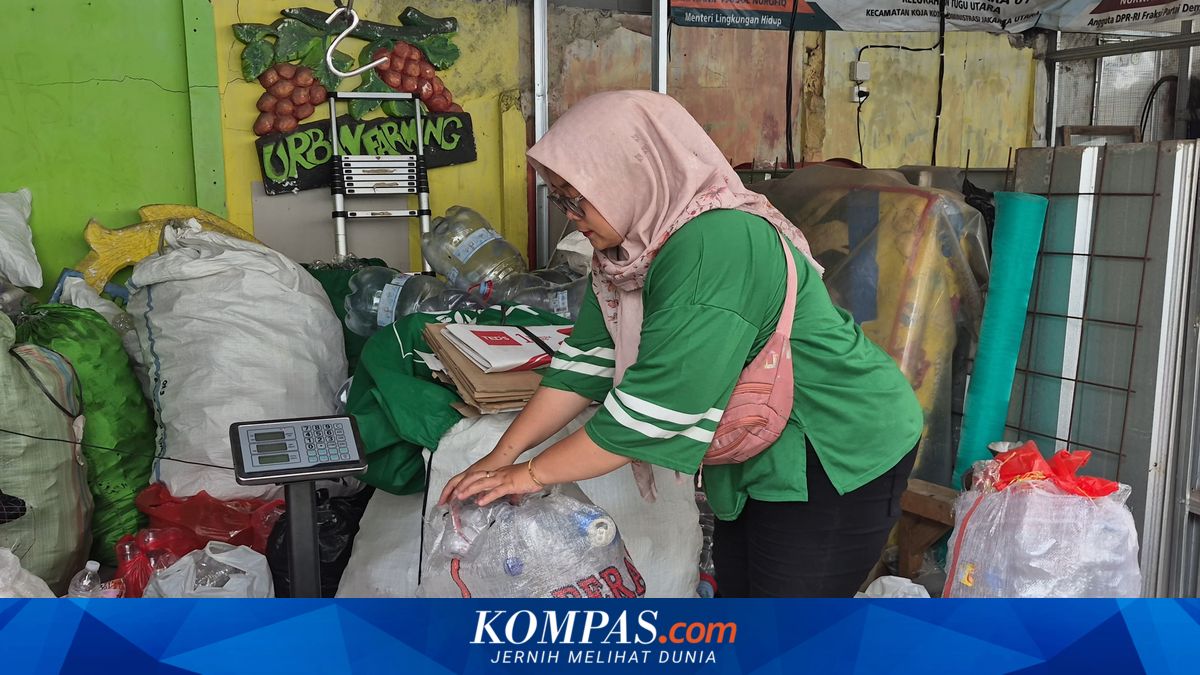
In the midst of household waste piles often deemed worthless, a group of housewives in RW 01, Tugu Utara Ward, Koja Subdistrict, North Jakarta, have found another way to share. Every day, the housewives, who are members of Dasawisma and PKK in RW 01, routinely collect used plastic bottles and glasses, plastic bottle caps, and cardboard to sell to the Cemara Waste Bank in the neighbourhood. For local residents, plastic and cardboard waste can be exchanged for money per kilogram. One kilogram of plastic bottles sells for Rp 3,000, while plastic bottle caps fetch Rp 2,000. Meanwhile, organic waste from residents is processed into economically valuable materials, such as fertiliser, compost, biomass pellets, animal feed, and others. Unlike other residents, the PKK, Dasawisma, and Waste Bank managers sort and sell waste, including used cooking oil, not to boost personal income. Usually, the managers pool the waste collected from their own homes before selling it. “My fellow cadres and I collect it (the waste) to be donated again every year. For example, we organise religious study sessions during the fasting month, and the proceeds are used to provide aid to orphans,” said Ita (35), one of the managers of Cemara Waste Bank, when met by Kompas.com at the site on Wednesday (13/5/2026). The money is entirely used to hold religious study sessions and provide aid to some orphans every Ramadan. The results of waste sorting in RW 01 are not only used to aid orphans but also to support the operations of places of worship and Early Childhood Education (PAUD). Cemara Waste Bank provides waste sorting facilities at the musala or mosque in RW 01. The proceeds from sorting waste are used to support the operations of places of worship or the neighbourhood RT. “The results in RT 09 alone can pay for tutoring teachers. In RT 07, the proceeds from waste sorting can help build the musala bit by bit, buying whatever is needed,” Ita added. Besides places of worship, Ita also encourages residents to sort waste from their homes through education. Pupils attending PAUD there are required to bring two kilograms of plastic bottle waste per month. The proceeds from selling the plastic waste submitted by the PAUD children are used by RW managers to pay the salaries of the four teachers.