
When is the Deadline for Slaughtering Sacrificial Animals? Key Timing Details
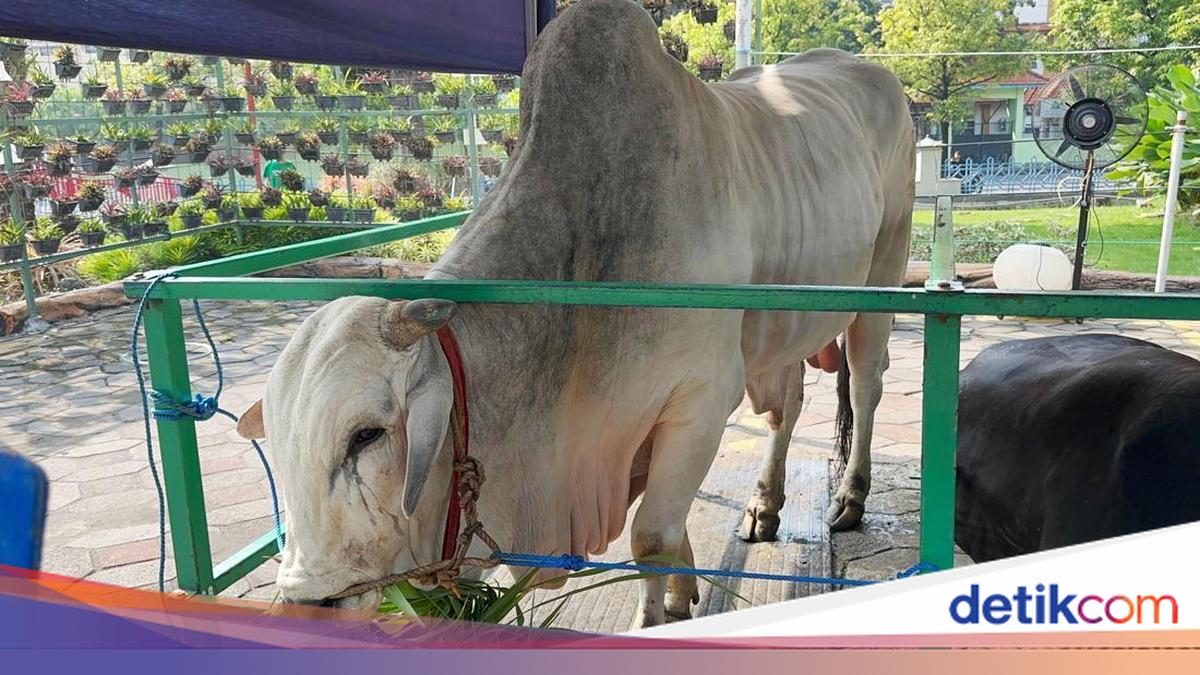
Eid al-Adha is synonymous with the slaughter of sacrificial animals, including goats, cattle, or buffaloes. According to the official website of the Ministry of Religious Affairs’ Bimas Islam, the slaughtering period begins after the Eid al-Adha prayer on the 10th of Zulhijjah and extends through the Tasyrik days, which are the 11th to 13th of Zulhijjah. Thus, the final deadline for sacrificial animal slaughter is the 13th of Zulhijjah. Recommendations for Packaging Sacrificial Meat in Food-Grade Containers Citing the MUI website, the use of safe and hygienic packaging for distributing sacrificial meat is crucial to maintaining food quality and reducing contamination risks. Henny Nuraini, a lecturer at IPB University’s Faculty of Animal Husbandry and a halal auditor for LPPOM, recommends the public use food-grade packaging during meat distribution. She noted that ordinary plastic not intended for food contact poses risks to food safety, particularly when in prolonged contact with meat. “The solution is to use food-grade plastic, thinwall packaging, or food-grade plastic boxes, along with environmentally friendly packaging that remains safe for food,” said Henny, who is also a researcher at IPB University’s Halal Studies Centre. She explained that besides food-grade plastic, the public can also use alternative packaging such as bamboo baskets, cardboard boxes, wrapping paper, or locally available leaves like banana leaves. However, she cautioned that cardboard boxes should have an additional lining as they are prone to leakage when used for fresh meat. Glass containers are safe for food but are less economical for large-scale meat distribution. Henny emphasised that packaging cleanliness is paramount. Used packaging must be clean and fit for purpose to prevent cross-contamination. She also recommended separating meat, offal, and bones during packaging to avoid cross-contamination and maintain meat quality until it reaches the public. “Considering food safety, practicality, and environmental sustainability, the public can select the most suitable packaging based on local needs and conditions,” she added.