
When is the 2026 Dry Season? Check the Early Predictions and Peak
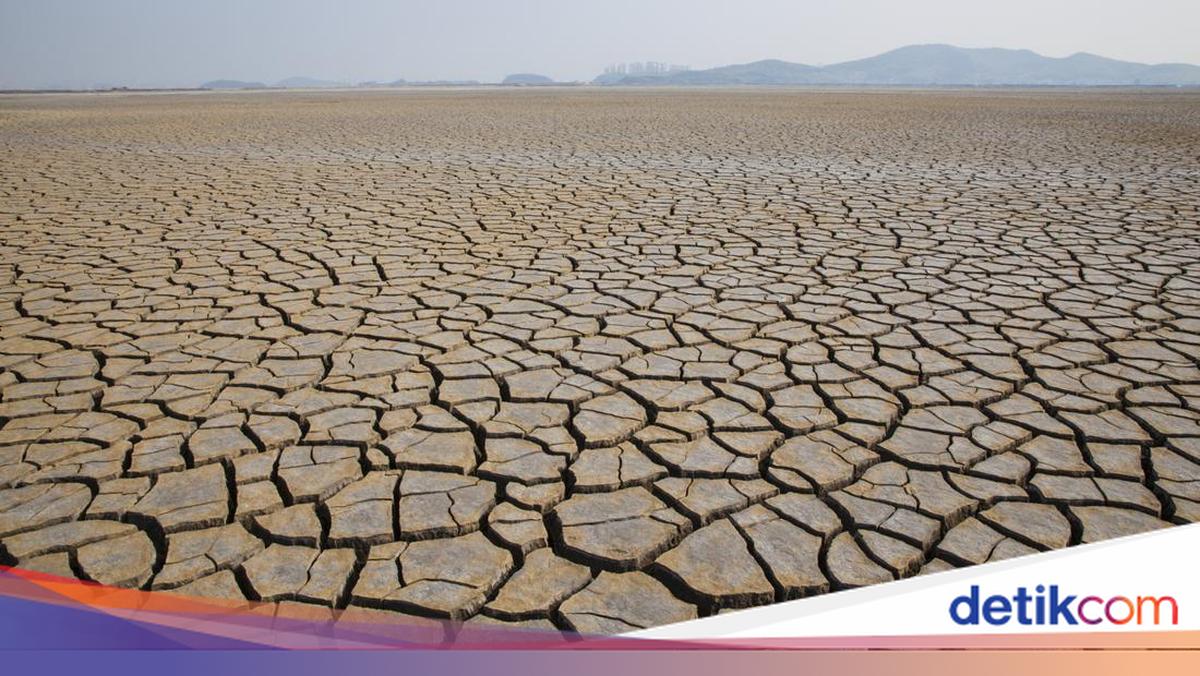
The 2026 dry season in Indonesia is predicted to arrive earlier than usual. The Meteorological, Climatological, and Geophysical Agency (BMKG) estimates that most regions of Indonesia will begin entering the dry season during the period from April to June 2026.
In the 2026 Dry Season Prediction report, BMKG states that this year’s dry season tends to advance and has the potential to last longer in most regions of Indonesia.
“Most regions of Indonesia are predicted to enter the dry season during the periods of April (114 ZOM; 16.3%), May (184 ZOM; 26.3%), and June 2026 (163 ZOM; 23.3%), starting from the Nusa Tenggara region and then gradually to other regions of Indonesia,” BMKG writes in its report.
For more details, here is the information on the 2026 dry season predictions in Indonesia, from the start of the season, the peak, to the dry conditions.
Start of the Dry Season: April-June
BMKG predicts that the start of the 2026 dry season in Indonesia will occur gradually from April to June 2026. The early dry season is estimated to begin in the Nusa Tenggara region, then expand to Java, Bali, Sumatra, Kalimantan, Sulawesi, and Papua gradually.
In April 2026, the regions beginning to enter the dry season include the northern coastal areas of western Java, the northern and southern coasts of Central Java, most of the Special Region of Yogyakarta, parts of East Java, parts of Bali, West Nusa Tenggara, East Nusa Tenggara, and parts of South Sulawesi. Meanwhile, in May 2026, the dry season begins to expand to northern Aceh, parts of North Sumatra, Riau, Jambi, South Sumatra, Lampung, most of Java, South and Central Kalimantan, South Sulawesi, Maluku, and eastern Papua.
Then in June 2026, the dry season is predicted to reach most of Aceh, West Sumatra, the Bangka Belitung Islands, parts of Kalimantan, Sulawesi, Maluku, and Papua. Overall, BMKG notes that most regions of Indonesia will begin experiencing the dry season during the April to June 2026 period.
Peak of the Dry Season: August
BMKG predicts that the peak of the 2026 dry season in Indonesia will occur in August. Around 61.4 percent of Indonesia’s regions are estimated to experience the peak dry season in that month, making it the driest period of the year.
The regions predicted to experience the peak dry season in August include central and southern Sumatra, central to eastern Java, Bali, West Nusa Tenggara, parts of East Nusa Tenggara, most of Kalimantan, most of Sulawesi, Maluku, North Maluku, and parts of Papua.
Besides August, some other regions are predicted to experience the peak dry season in July and September 2026. Certain parts of Sumatra, Kalimantan, and Sulawesi are estimated to reach the peak dry season earlier in July, while parts of Nusa Tenggara, Maluku, and Papua are predicted to peak in September.
Predictions for 2026 Dry Season Conditions
In general, BMKG predicts that the 2026 dry season in Indonesia will arrive earlier or advance compared to normal conditions, although some other regions will remain in the normal category. This indicates a significant shift in the dry season timing in nearly half of Indonesia’s regions.
In addition to arriving earlier, the 2026 dry season is also estimated to last longer in most regions. BMKG records that around 57.2 percent of Indonesia’s regions will experience a longer dry season duration compared to the climatological average, particularly in Sumatra, Java, Bali, Nusa Tenggara, Kalimantan, Sulawesi, Maluku, and Papua.
From the rainfall perspective, the 2026 dry season is predicted to be drier than usual. Around 64.5 percent of Indonesia’s regions are estimated to experience below-normal rainfall accumulation, meaning the dry conditions have the potential to be drier and increase the risk of drought as well as forest and land fires in some areas.