
When Hunger Tests Integrity
Ramadan is an exercise in self-discipline. For civil servants, it is also an exercise in professionalism. If discipline can be maintained when physical energy is depleted, then performance in ordinary months should be all the more optimal.
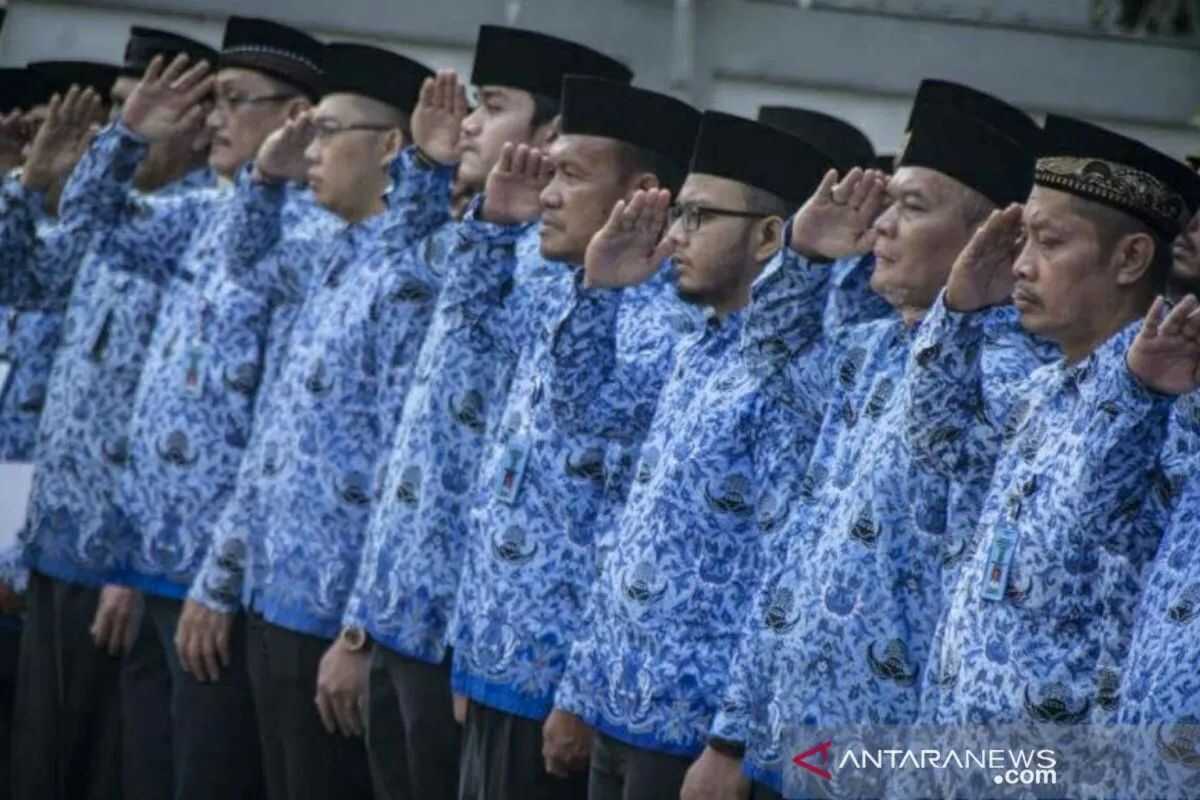
Mataram (ANTARA) — That morning, in the forecourts of regent and mayoral offices across districts and municipalities in West Nusa Tenggara (NTB) province, rows of civil servants stood in neat formation.
Faces bearing the strain of hunger and thirst had not lost their resolve. Ramadan 1447 Hijriah/2026 CE had only just begun. Working hours were reduced, but public expectations had not contracted accordingly. It is precisely during this holy month that the integrity and discipline of the civil service are put to a genuine test.
Ramadan is invariably understood as a spiritual moment. Yet for the bureaucracy, it is also a managerial one. How does one ensure public services remain optimal when working rhythms change? How does one prevent reduced working hours from being interpreted as reduced responsibility?
These questions are pertinent to NTB, a province with a predominantly Muslim population, where social, economic, and religious activity intensifies during Ramadan. Healthcare, civil registration, business licensing, and public security services are often in greater demand.
In North Lombok regency, Regent Najmul Akhyar reminded staff that Ramadan is not merely about enduring hunger, but a moment to strengthen discipline and work ethic.
Regular Friday “Faith and Piety” sessions are held at Baiturrahim Mosque to reinforce the spiritual foundations of the civil service. The message conveyed is simple yet firm: the values of fasting must be reflected in punctuality, responsibility, and exemplary service.
In the city of Mataram, meanwhile, the approach taken is more technocratic. The municipal government has trimmed civil servant working hours from 37 to 32.5 hours per week, in accordance with national policy. At the same time, however, supervision has been tightened.
Civil servants who arrive late or are absent without explanation face a two per cent deduction from their supplementary income allowance. Early leave dispensation was granted on the first day of Ramadan, but disciplinary sanctions remain in force.
In Central Lombok, the deputy regent affirmed that public services must continue at full capacity. Adjusted working hours must not disrupt healthcare, civil registration, or security services. Civil servants are expected to report for duty as normal, with no additional leave.
This picture illustrates one thing: Ramadan has become an arena for proving bureaucratic commitment in NTB. Yet behind these formal policies lies a dynamic worthy of deeper examination.