
When Housing Becomes a Luxury
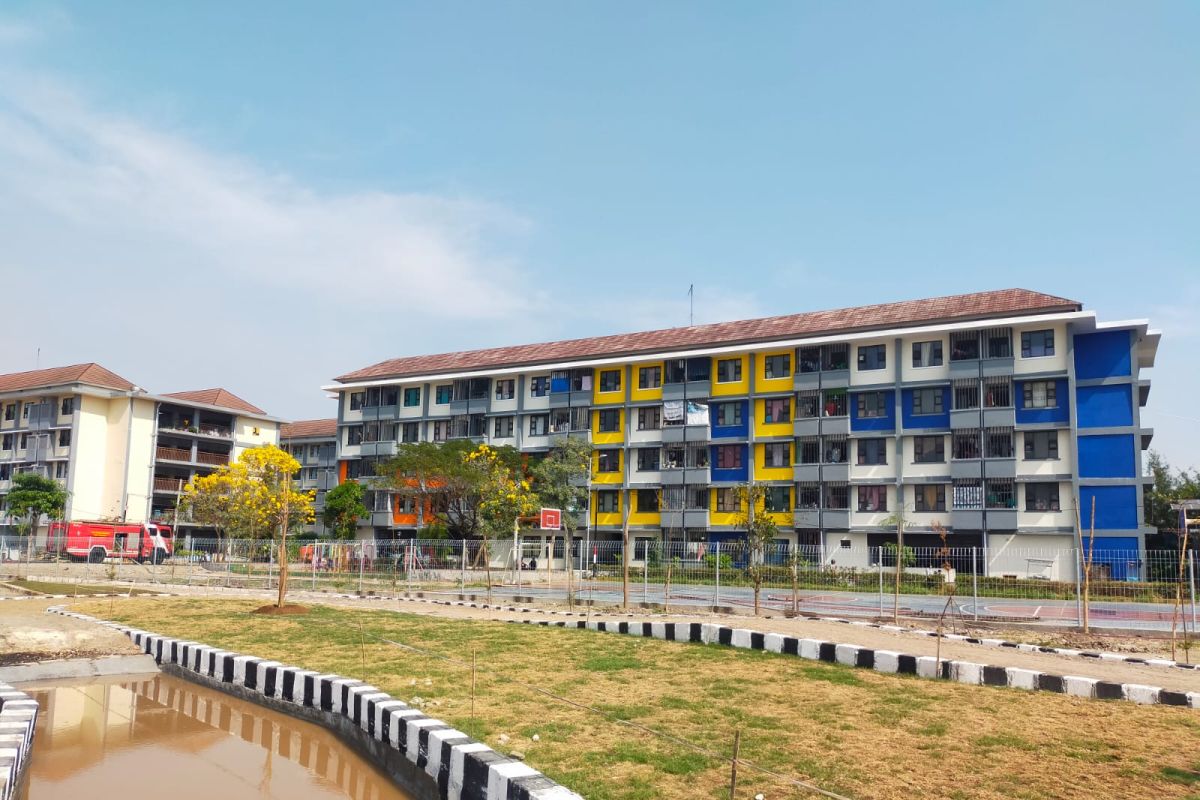
Therefore, Gen Z rusunami must not stop at the concept of “affordable housing”. If it is merely cheap but far from activity centres, with limited transport and lacking social spaces, then rusunami risks becoming a sleeping building that loses its pulse. Surabaya (ANTARA) - In the city of Surabaya, finding a house is slowly turning into an exhausting race. Land prices are rising faster than the salary increases of the young generation. In many corners of the city, young people work in shopping centres, digital service offices, the creative industry, and even the government sector. Yet, they still live far from their places of work. The city is gradually becoming just a space for working, no longer a space for settling. This phenomenon is now increasingly felt among Generation Z. They live in a fast-paced era, are familiar with technology, and grew up with dreams of independent living at an earlier age. However, behind the seemingly modern urban lifestyle, there is a quiet anxiety growing: how to buy a house in a city where property prices continue to soar. Amid this situation, the Surabaya City Government’s plan to build simple ownership apartments or rusunami for Gen Z is worth examining. The programme prepared in the Rungkut, Tambak Wedi, and Ngagel areas is not just a vertical building project. It touches on a larger question about the city’s future: does Surabaya still provide space for its young generation to live and grow in their own city? The Surabaya City Government’s step to introduce rusunami with prices starting at around Rp100 million up to under Rp500 million shows a serious effort to provide more affordable housing. Moreover, the offered concept differs from typical rusun. Two-bedroom units, the presence of lifts, transport integration, and light financing schemes indicate that the government is beginning to understand the changing urban lifestyle of the young generation. This is important because housing issues in big cities are not just about physical buildings. Housing relates to social mobility, mental health, work productivity, and the quality of young families. When young people live too long moving between cramped boarding houses or rentals, or staying far from activity centres, the city is storing long-term social problems. Surabaya appears to be reading the situation earlier. Moreover, this city is moving towards becoming a global city with ongoing developments in infrastructure, transport, and digital services. But a global city without affordable housing will create a paradox: an advanced city that is difficult for its own residents to inhabit.