
When farmers' welfare aligns with ecological recovery
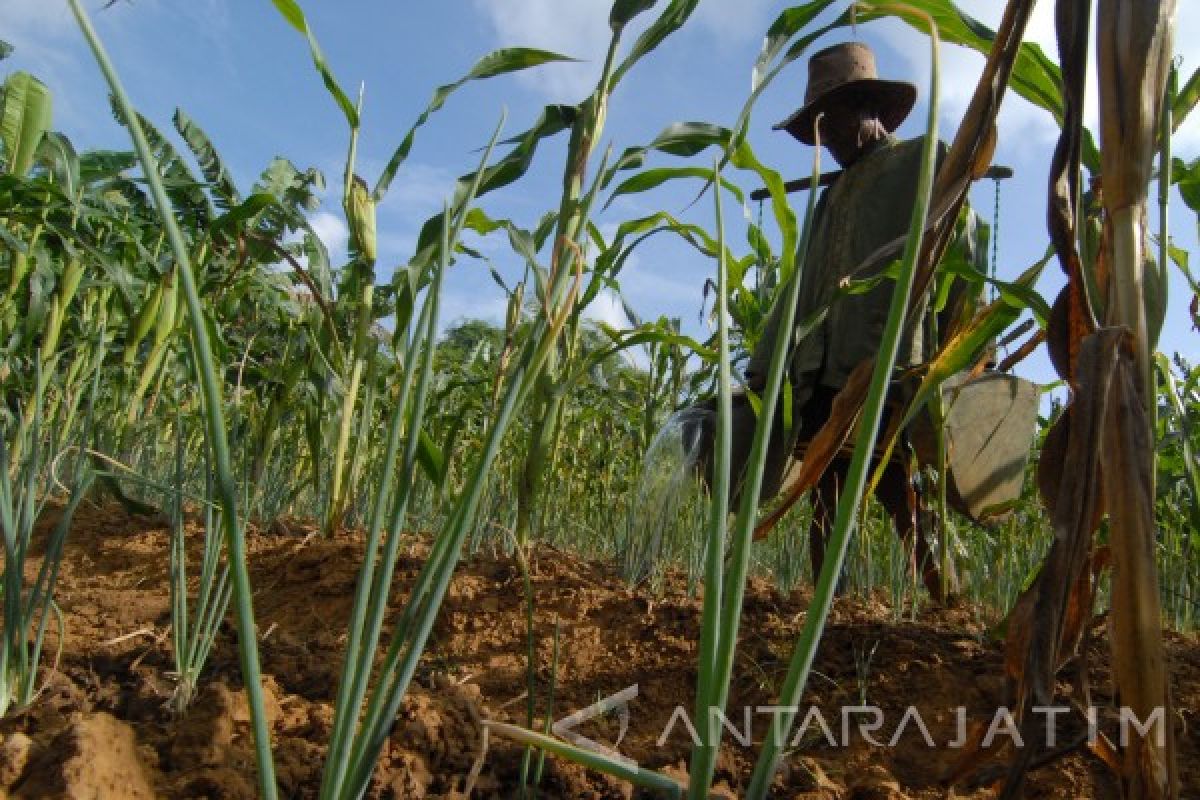
Jakarta (ANTARA) - In many agricultural centre villages, community life typically depends on various commodities. Perennial crops are utilised for medium- and long-term needs, while other commodities serve daily household requirements. When coffee or cocoa prices fall, or when palm oil plantations enter the replanting phase and must wait about three years to bear fruit again, farming families enter a vulnerable phase. This situation demonstrates that the issues faced are not merely technical cultivation matters, but rather concern the design of the farming family economy, which needs to be structured to meet needs between production periods. Even in palm oil replanting studies, the loss of income during the period when plants are not yet productive is referred to as a financial and farming business vulnerability problem. In the context of climate uncertainty and market fluctuations, intercropping deserves to be reconsidered not as a traditional practice but as a relevant and strategic economic instrument. By planting various commodities simultaneously, farmers can improve daily cash flow, spread the risk of failure, and at the same time strengthen business resilience. Moreover, this approach also brings ecological benefits, such as increasing soil fertility, maintaining water management, and supporting adaptation and mitigation of climate change. Intercropping regains relevance