
When Families Cannot Always Be Present, Caregivers Support Patients During Vulnerable Moments
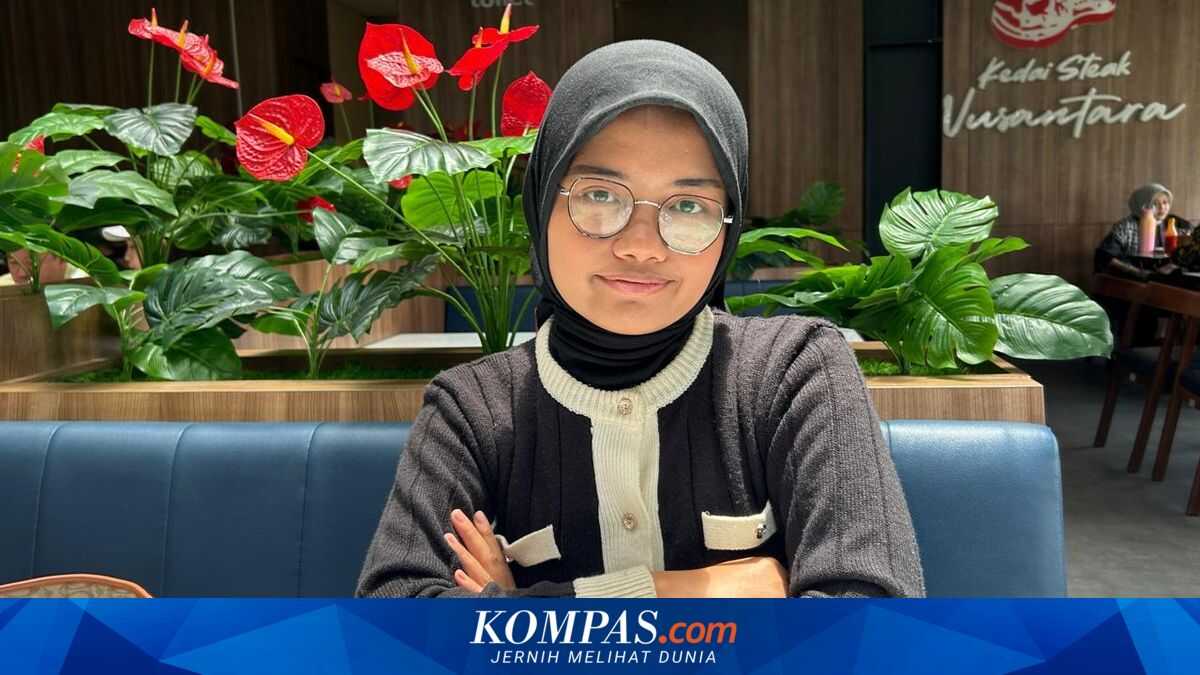
JAKARTA, KOMPAS.com – In the midst of urban life dynamics, not all patients undergoing treatment in hospitals can be accompanied by family members in full. There are family members who still must work, live out of town, or can only visit at certain times amid their busy schedules.
In that gap of constraints, the role of a patient companion or caregiver becomes significant. They are not a substitute for family, but present to accompany, look after, and ensure the patient continues to feel cared for during life’s most vulnerable moments.
The presence of caregivers often becomes the backbone for overwhelmed families. They are not nurses, and are not always certified medical personnel, but help accompany patients, handle administration, and even become a conversation partner when patients need emotional support.
The decision did not come without reason. Winda admits her interest stemmed from personal experience and her observations of the situation at the hospital where her mother works as a nurse.
She saw many patients and their families having to manage administration and other needs on their own.
From this, she perceived a real need for companions who can help with processes that are often time-consuming and labourious.
Nevertheless, Winda’s step to become a new caregiver truly began in January 2026, even though the service’s social media accounts had been created since the previous year.
“Actually my own account was created last year already. I just started being a caregiver in January,” Winda told Kompas.com in the Salemba area, East Jakarta, on Tuesday (3 March 2026).
Before that, she had left her job as a live host. The hiatus became a turning point that made her rethink the direction of her life.
“The reason I wanted to become a caregiver is that last year I was unemployed for six months after resigning from the company where I worked as a live host. Then I thought about becoming a caregiver in Japan, especially since my mother has worked in a hospital since I was small,” she said.
Although she did not undertake formal health education, her habit of frequently visiting hospitals and her love of reading health books given by her mother became the foundation that formed her understanding of the world of care.
“So I often saw my mother at the hospital. And when I was young, I used to go back and forth to the hospital a lot,” she said.
In her daily life as a patient companion, Winda mostly handles administrative matters as well as practical patient needs.
She handles collecting letters, redeeming medicines, and delivering medicines through a delivery service when the prescription number is available.
Not only that, she also accompanies patients during inpatient care, helps feed them, and accompanies patients while waiting for bed availability in the Emergency Department (IGD).
“If I pick up medicines, deal with BPJS. The first time I took a letter at RSCM, then I accompanied in the IGD. In the IGD, if you haven’t yet gotten a room you have to wait, and I waited from noon until night,” she said.
Over time, she formed Welas Care by recruiting friends and applicants from outside. Of dozens of candidates, only a small portion were accepted.