
When Eid Homecoming is No Longer a Test for Vehicles
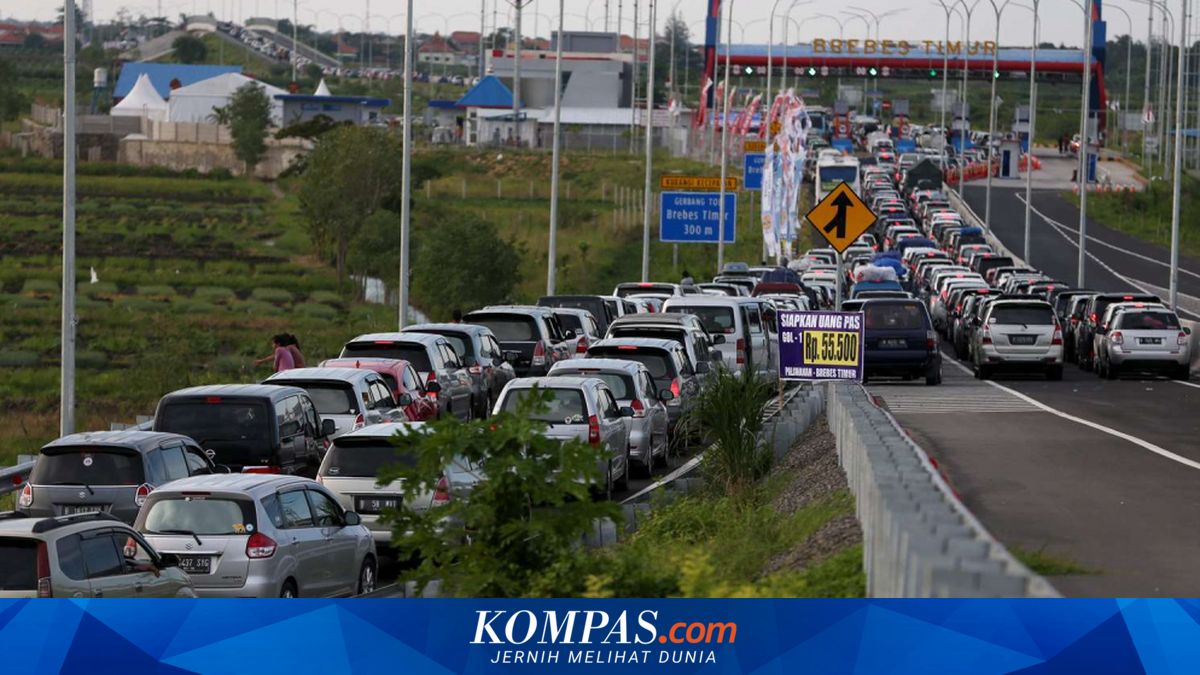
JAKARTA – There was a time when Eid homecoming journeys were not merely trips back to one’s hometown, but tests of endurance—not only for people, but also for vehicles.
For those who experienced mudik (homecoming) one or two decades ago, overland journeys to Solo, Central Java or Yogyakarta from Jakarta could become exhausting ordeals. Journey times that should have taken hours frequently stretched into dozens of hours, punctuated by endless traffic jams that barely moved.
During those periods, vehicles were genuinely forced to operate beyond normal limits. Engines ran continuously without pause, temperatures rose drastically, fuel consumption became inefficient, and components such as clutches and cooling systems bore extremely heavy strain.
Drivers, meanwhile, were in “survival mode”, enduring fatigue, drowsiness and mental stress from unpredictable road conditions.
Homecoming was synonymous with uncertainty—whether the journey would proceed smoothly or become a long, exhausting saga.
The public still recalls the Brexit tragedy in East Brebes in 2016, which became a crucial turning point in the history of homecoming travel in Indonesia. Long queues of vehicles at toll exit gates caused extreme congestion that resulted in loss of life. That incident served as a reminder that managing homecoming traffic could no longer be conducted using conventional methods.
Gradually but steadily, the face of homecoming travel has changed alongside massive infrastructure development, particularly the emergence of the Trans-Java Toll Road, which connects major cities from the western to eastern parts of Java Island.
Routes that previously depended on the North Coast Road with all its limitations now have far more efficient alternatives.
Journeys that once consumed 15 to 20 hours or more can now, under normal conditions, be completed in far shorter timeframes—even just 7 to 10 hours.
This transformation is also becoming apparent on Sumatra Island through the ongoing development of the Trans-Sumatra Toll Road.
Inter-regional connectivity is increasingly accessible, offering faster and more structured travel options. Infrastructure is no longer merely supplementary but has become the backbone of transforming homecoming travel comprehensively.
Change does not originate solely from roads, but also from how vehicle traffic is managed. Traffic engineering schemes such as one-way systems and contraflow arrangements are now implemented with more sophisticated approaches based on data.
Policy stakeholders including the Government through relevant ministries, regional authorities, the police and toll road operators work synergistically to maximise the management of Eid homecoming journeys each year.