
When Digital Bureaucracy Is Still Trapped in a Hierarchical Mindset
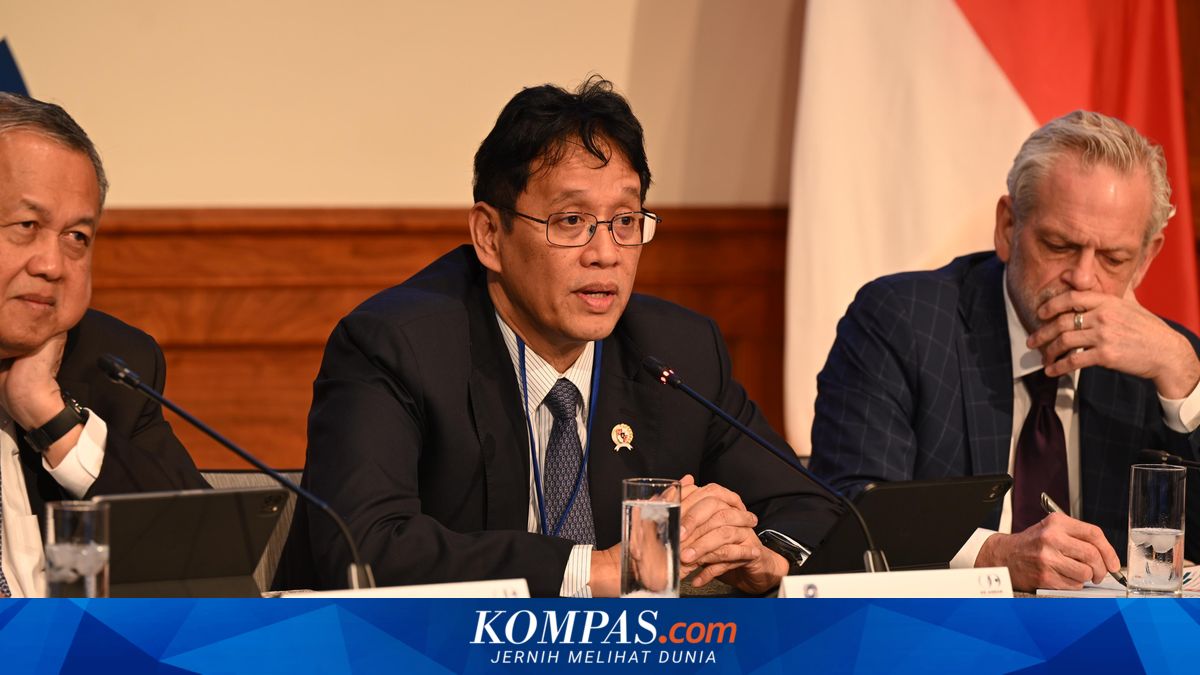
Rocky Gerung’s statement that the Minister of Finance is merely a ‘state cashier’ sparked broad debate in the public sphere. In a number of discussion forums and public lectures, Rocky criticises the government’s tendency to load growth targets onto the country’s fiscal managers. After all, real growth stems from productivity in the real sector, regulatory certainty, and the effectiveness of the development bureaucracy. The statement is provocative. But Rocky’s critique does not stop at the Minister of Finance. He is highlighting a more fundamental problem: the Indonesian government’s bureaucracy, perceived as still trapped in hierarchical administrative mentality amid the demands of a digital economy that requires speed, innovation, and adaptability. In classical bureaucratic theory, Max Weber, through Economy and Society (1922), explains that bureaucracy is built on principles of hierarchy, formal rules, and tight administrative control. That model was effective in the industrial age because it could create stability and certainty of governance. Yet the world today moves much faster than the logic of 20th-century bureaucracy. The digital economy requires a bureaucracy that is agile, collaborative, and data-driven in real time. Meanwhile Indonesian bureaucracy still often works in a sectoral, procedural way, and is too cautious to take policy risks. This phenomenon is evident from regulations that are ever-changing, weak coordination between ministries, and policies that are often not synchronised between the centre and the regions. Investors require long-term certainty, but bureaucracy often yields policy signals that clash with each other. It is at this point that Rocky’s criticism finds its relevance. When Rocky says that ‘the tradition of thinking in the academy when entering bureaucracy becomes hierarchic’, he is actually strongly criticising the patrimonial culture and politicisation of bureaucracy within the Indonesian government.