
When a road becomes a defence wing
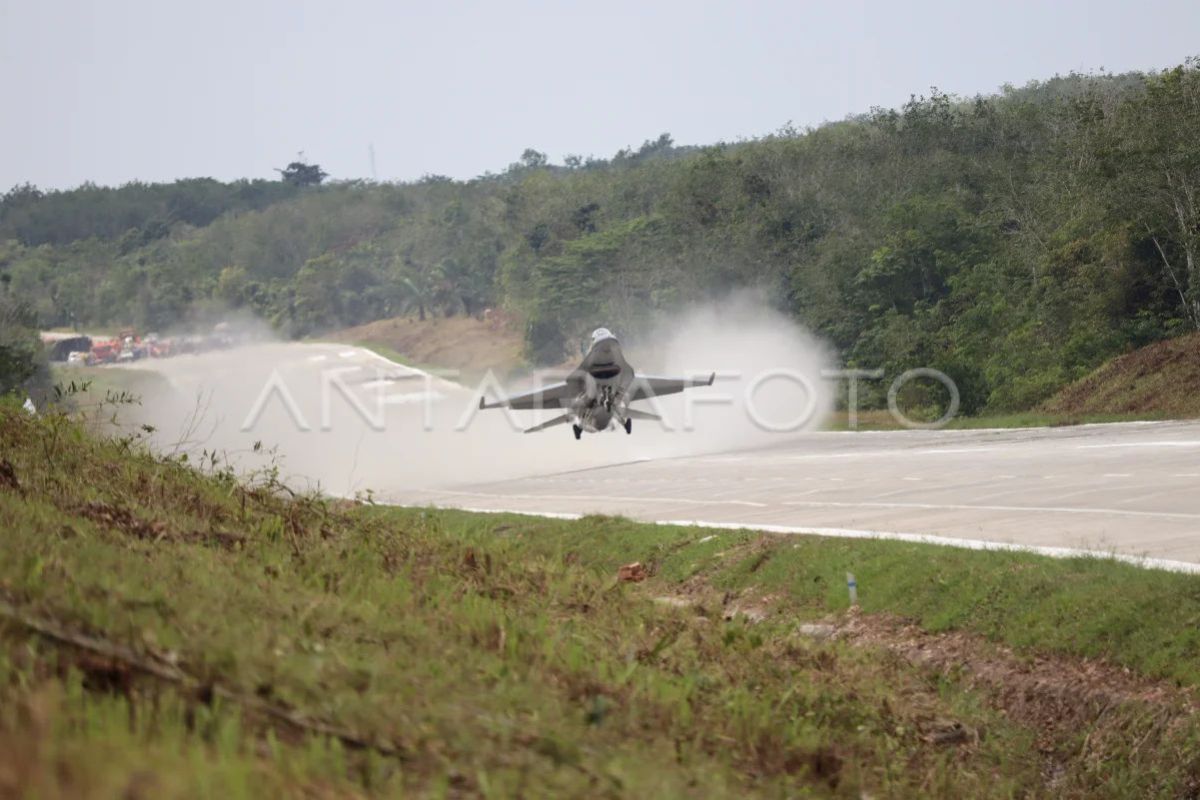
The Lembar-Kayangan bypass is far more than merely a road project. It represents how infrastructure can play a broader role in the life of the nation.
Mornings on Lombok Island typically begin with a simple rhythm: logistics trucks move from east to west carrying cattle, shallots, and various agricultural commodities. Meanwhile, private vehicles and tour buses pass through towards the Mandalika region or Lombok International Airport. The existing road routes serve as the lifeblood of public mobility, yet frequently become congestion points that slow the flow of logistics from Kayangan Port in the east to Lembar Port in the west.
Against the backdrop of increasing connectivity demands, plans emerged for the construction of the Lembar-Kayangan bypass road on Lombok Island, West Nusa Tenggara (NTB). This project is not merely introducing an alternative transport route; it also carries a far larger vision. The road is designed to be multifunctional.
Beyond serving as a civil corridor for economic mobility, it is also being prepared as an emergency landing strip for fighter aircraft should such need arise under certain circumstances. This concept may sound unusual to some. However, from the perspective of modern infrastructure development, the notion of multifunctional roads is not new. Civil infrastructure is increasingly designed to have dual functions, including roles in national defence.
In Lombok, this idea introduces a new dimension to how a road can serve as both an economic connector and part of the national defence system.
The island’s logistics corridor
Lombok Island occupies a unique geographical position. On one hand, it functions as the entry point for logistics flows from Bali towards Nusa Tenggara via Lembar Port. On the other, Kayangan Port serves as a major connecting hub towards Sumbawa Island. These two ports function as eastern and western gates regulating the flow of goods and people throughout NTB Province.
Currently, the journey from Lembar to Kayangan can take four to five hours as vehicles must travel through routes crossing Mataram City and various densely populated areas. This situation not only triggers congestion but also increases logistics costs for business operators.
The regional government subsequently proposed constructing a bypass road directly linking the two ports. This new route is designed to reduce travel time to approximately two hours.