
What is Waqf Land and Its Regulations in Indonesia?
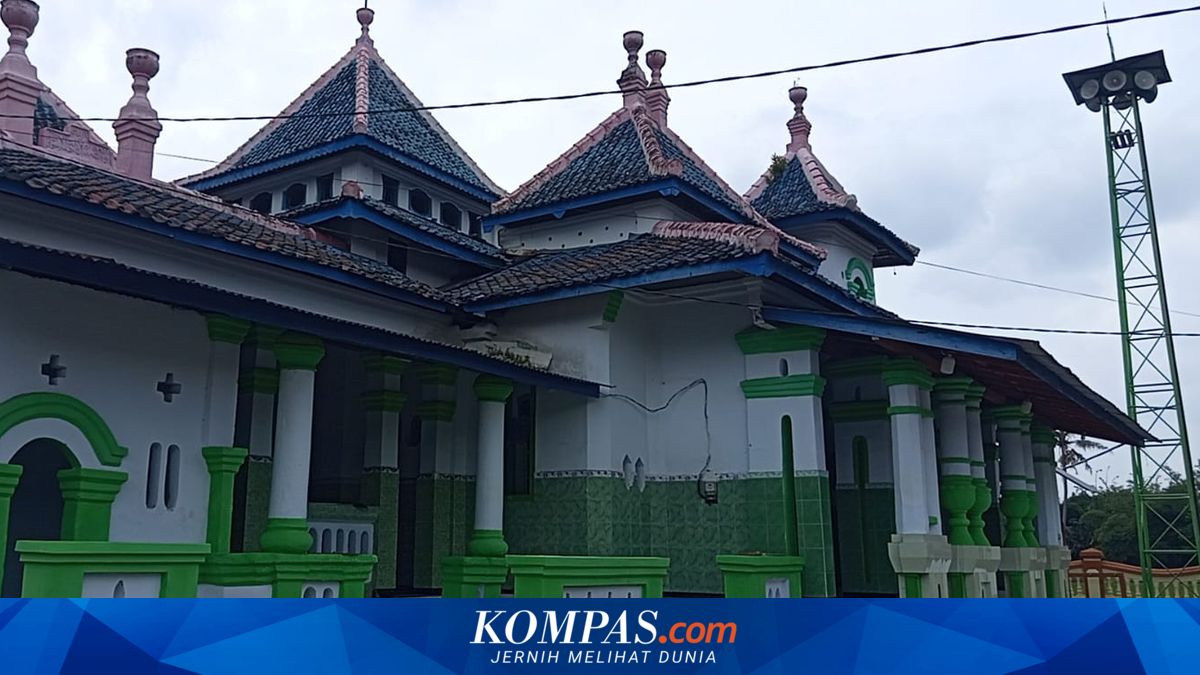
Waqf land is a term familiar to Indonesian society. This land is typically used for public interest, such as building places of worship, cemeteries, and educational institutions. However, not everyone clearly understands what waqf land is and the regulations governing it in Indonesia. In practice, waqf land has a special legal status and cannot be treated like ordinary land. Etymologically, the word waqf comes from Arabic waqafa meaning to restrain, to stop, or not to move. In Islamic law, waqf means withholding ownership of an asset so that its benefits can be used for worship or the general welfare. After being endowed and a wakaf land certificate is issued, the land’s ownership may not be transferred. In Indonesia, waqf provisions are regulated by Law No. 41 of 2004 on Waqf. In addition, there are other rules relating to waqf of land, namely Government Regulation No. 28 of 1977 on the Endowment of Owned Land. In that law it is explained that waqf is a legal act of a person to separate or donate part of their property to be used forever or for a certain period for the purposes of worship and public welfare in accordance with sharia. In waqf practice, several parties are involved. The process of handing over waqf property is carried out through a declaration called ikrar wakaf. This declaration is the official statement of the waqif delivered orally or in writing to the nazhir. The wakaf declaration is then put into an official document prepared in the presence of two witnesses and the Official for Drafting Wakaf Deeds (PPAIW). Once the declaration is established, the waqf cannot be legally cancelled. If it is land, a wakaf land certificate may be issued. According to Law No. 41 of 2004, waqf property is divided into two types: immovable property and movable property.