
What is the speed limit on toll roads? Avoid common misconceptions
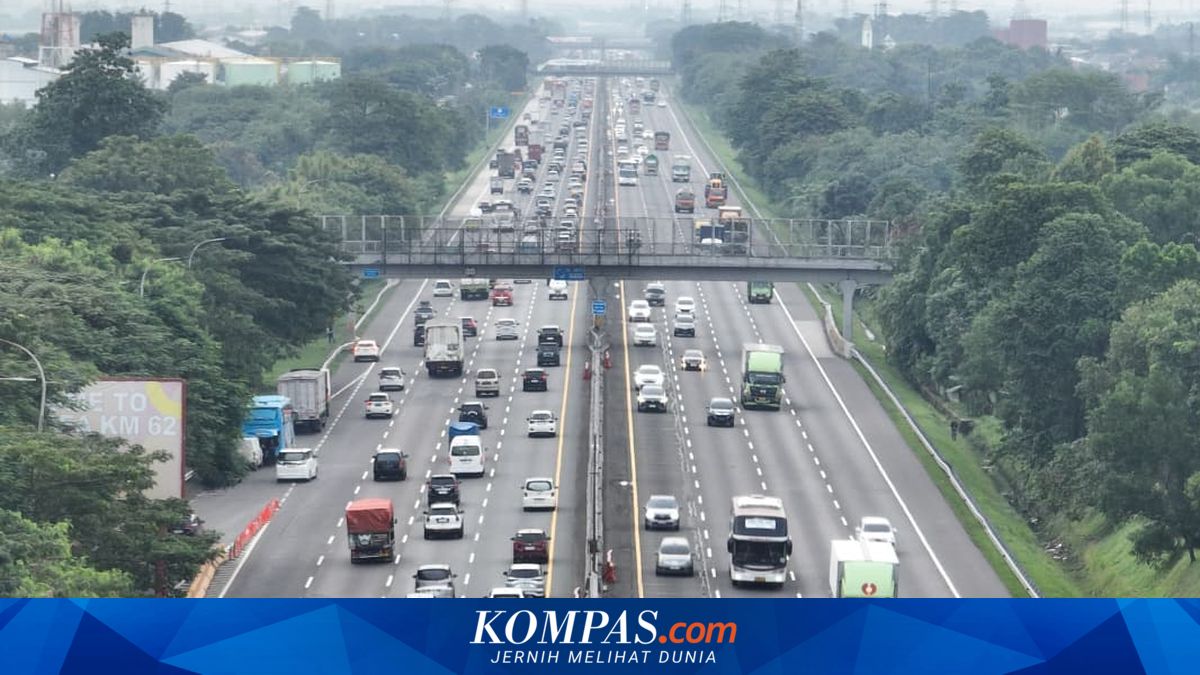
Driving on toll roads isn’t just about pressing the accelerator; it also requires understanding speed limits and correct lane management. A common misconception is that staying stationary in the rightmost lane is permitted once the maximum speed limit is reached. This phenomenon, known as ‘lane hogging’, occurs when drivers remain in the right lane claiming they’ve reached the posted speed limit, such as 100 km/h. ‘Wrong. The right lane is for overtaking. If you’re not overtaking, you should move back to the regular lane,’ Jusri said on Sunday, 31 May 2026. Jusri explained that toll lane management is generally divided by function and vehicle type. Regarding speed limits, Indonesian regulations set the maximum speed on urban toll roads at 80 km/h. ‘It is commonly understood that the maximum speed on toll roads is 100 km/h, but not all sections allow this. Some lanes, particularly narrow or hazardous ones, or exit curves, have a limit of 80 km/h,’ Jusri said. Jusri further stressed the importance of the ‘Speed for Condition’ principle, meaning speed adjustments must consider human factors, vehicle condition, and weather. ‘Even if the speed limit is 100 km/h, if traffic or weather conditions are poor, drivers must adjust their speed. For instance, during rain, driving at 80 km/h is already considered speeding. If drowsy, even 30 km/h is too fast – drivers should immediately stop at a rest area,’ he added.