
What is the Impact of Uncertified Waqf Land?
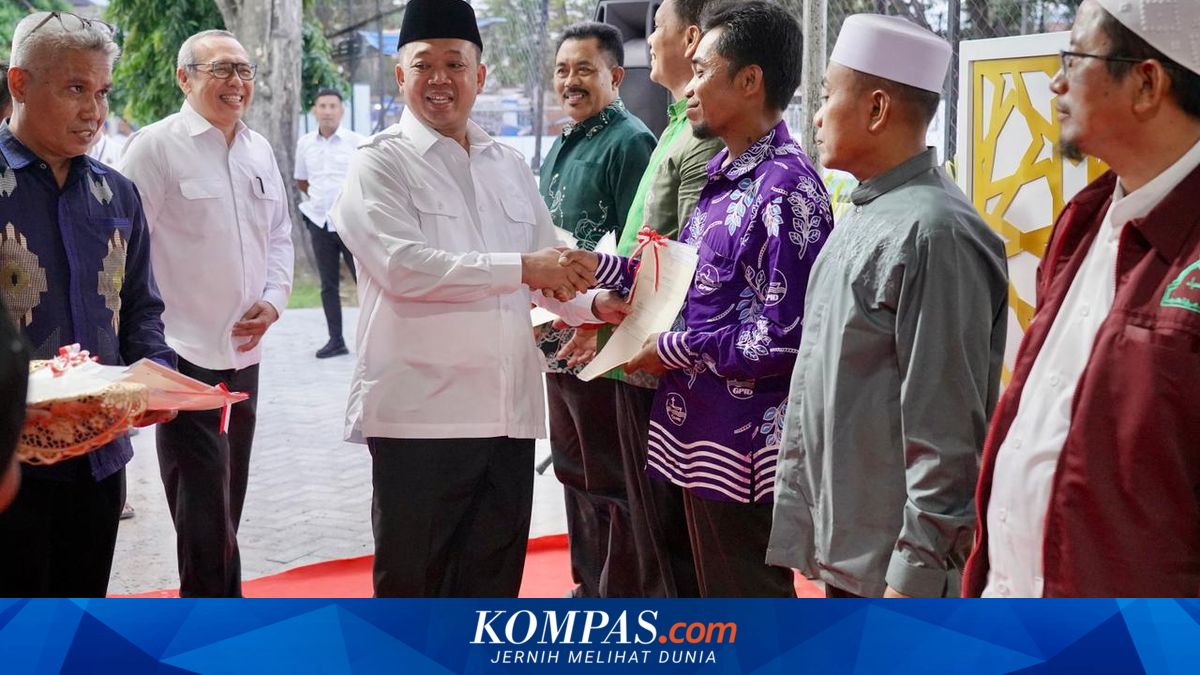
JAKARTA, KOMPAS.com - A significant amount of waqf land in Indonesia still lacks official certification. This situation is considered likely to cause various issues, from disputes to obstacles in utilising the assets for the benefit of the community. Minister of Agrarian Affairs and Spatial Planning/Head of the National Land Agency (ATR/BPN) Nusron Wahid has assured that the acceleration of waqf land certification is ongoing to strengthen the legality of religious assets. “The handover of certificates (for land) as a sign of legality or legal strength for waqf lands,” said Nusron, quoted from the Ministry of ATR/BPN website, Friday (3/4/2026). Uncertified waqf land is generally based only on declarations or agreements. In addition to potentially triggering disputes, this condition also hampers the development of waqf assets. Managers or nazirs often face obstacles in utilising the land for building social facilities such as mosques, schools, and pesantrens due to legal aspects. Without strong legal evidence, the land’s status becomes vulnerable to disputes, whether by heirs or other parties. Many managers or nazirs struggle to develop waqf land for social purposes, such as building schools, places of worship, or other public facilities. Therefore, legality is the primary requirement in various development processes and collaborations, including institutional permitting. Land legality is a crucial requirement in the operations of religious institutions. Without a certificate, the process of applying for permits can be hindered. Unregistered waqf land makes it difficult for the government to conduct data collection and oversight of waqf assets. As a result, inaccurate data impacts suboptimal policies in national waqf management. Waqf land should provide long-term benefits to the community. However, without legality, its utilisation is often not maximal. This is because certification opens opportunities for productive and sustainable asset development.