
What is the Difference Between Measles and Smallpox? Learn the Signs and How to Prevent Them
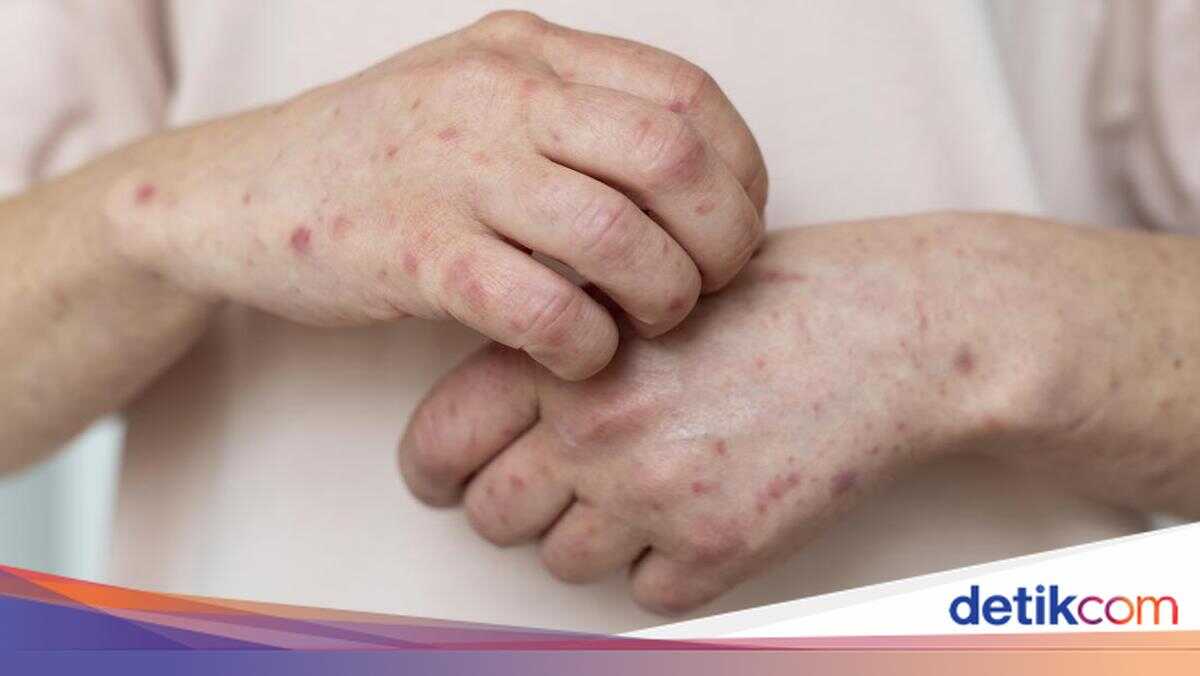
Many people still consider measles and smallpox to be the same disease because both cause a skin rash. In reality, they are distinct illnesses in terms of cause, transmission, and the nature of their symptoms. This misconception is common in everyday speech, where the term ‘smallpox’ is used broadly for various conditions that produce eruptions or vesicles on the skin.
Understanding the differences between measles and smallpox is important, especially for parents with young children. Both diseases can cause serious symptoms if not managed properly, and in some cases may lead to health-threatening complications.
By knowing their characteristics and how they spread, the public can more readily recognise early signs and take appropriate preventive measures. The following explanation of measles and smallpox and their differences draws on international health sources.
What are measles and smallpox?
Measles is an infectious disease caused by a virus and is one of the most contagious diseases in the world. According to the World Health Organization, the measles virus spreads through the air when an infected person coughs, sneezes, or breathes. The virus initially attacks the respiratory tract, then spreads throughout the body and causes a range of symptoms.
The disease most often affects children, particularly those who have not been vaccinated. Measles not only causes fever and a rash but can also trigger serious complications such as pneumonia, severe diarrhoea, ear infections, and encephalitis.
Meanwhile, smallpox is a general term for diseases caused by the poxvirus group. According to Liv Hospital, poxviruses are large DNA viruses that replicate in the host cell. Several viruses in this group can infect humans and cause lesions or blisters on the skin. One example of diseases in this group is mpox, or monkeypox. According to the Centers for Disease Control and Prevention, the illness typically begins with flu-like symptoms before a rash consisting of bumps or blisters on the skin that can be painful or itchy.
Several days after the initial symptoms appear, the rash develops on various parts of the body such as the hands, feet, face, chest, and genital area. The rash may resemble pimples or small blisters that later develop into crusted sores before healing.
According to the State of Alaska Department of Health, poxvirus infections are generally characterised by lesions or nodules on the skin that can spread widely. In some high-risk cases, doctors may administer antiviral medications to help reduce the severity of the disease.
How to Prevent Measles and Smallpox
Prevention of measles is most effectively achieved through vaccination. The World Health Organization explains that the measles vaccine has helped prevent tens of millions of deaths worldwide. Children are encouraged to receive two doses of the vaccine to obtain optimal protection against the disease.
In addition to vaccination, maintaining hygiene and avoiding contact with infected individuals are important steps to reduce transmission risk. Measles is an extremely contagious disease, so it is vital to ensure children are immunised on time.
Meanwhile, prevention of poxvirus infections, including smallpox, involves avoiding direct contact with infected individuals or animals. According to the State of Alaska Department of Health, simple measures such as regular handwashing and not sharing personal items can also help lower the risk of transmission.
Understanding the differences between measles and smallpox helps the public stay alert to the symptoms that appear. If a person experiences fever with an unusual rash, especially children, they should promptly consult a healthcare professional to obtain an accurate diagnosis and appropriate treatment.